

Last Updated: April 12th, 2026
IBD in dogs is a chronic syndrome in which inflammatory cells invade the lining of the stomach, small intestine, or large intestine. This inflammation thickens the gut wall and makes it much harder for your dog to digest food and absorb nutrients properly. Unlike a short-term tummy upset that clears up in a few days, IBD in dogs symptoms usually last for weeks or months and keep returning. (VCA Animal Hospitals)
Vets describe IBD in dogs as a syndrome rather than a single disease because it has many possible triggers.
Topics covered in this blog post
At a glance:
| Aspect | Key Information |
|---|---|
| What it is | Chronic inflammation of the stomach, small intestine, or large intestine (colon) that impairs nutrient absorption |
| Common Symptoms | Persistent vomiting, diarrhea (with or without blood/mucus), weight loss, poor appetite, lethargy, dull coat |
| Main Causes | Genetic predisposition, abnormal immune response, gut microbiome imbalance, food sensitivities, dysbiosis |
| IBD vs Colitis | IBD affects deeper layers and is chronic; colitis is inflammation limited to the colon and often resolves faster |
| Diagnosis | History + bloodwork + fecal tests + diet trial + ultrasound + endoscopy with biopsies (gold standard) |
| First-Line Treatment | Strict 8–12 week hydrolyzed or novel protein diet trial (38–89% of dogs respond well) |
| Medications (if needed) | Corticosteroids (prednisone/budesonide), selective antibiotics, immunosuppressants |
| Home Management | Small frequent meals, stress reduction, weekly weight tracking, vet-approved probiotics |
| Prognosis | Good to excellent with early diagnosis and consistent management; many dogs live normal lifespans |
| When to See a Specialist | Rapid weight loss (>10% in a month), bloody diarrhea/vomiting, no improvement after 2 weeks of diet trial, swelling in legs/belly |
IBD in Dogs
To help you clearly understand what is happening inside your dog’s body, here is a simple, step-by-step breakdown of the gut inflammation process in IBD in dogs:
Normal, Healthy Gut Lining
In a healthy dog, the lining of the intestines is thin and smooth. Tiny finger-like projections called villi absorb nutrients from food efficiently. The gut wall stays flexible, and the immune system stays calm, allowing your dog to get the energy and vitamins needed from every meal.
What Happens in IBD in Dogs
In dogs with IBD, the immune system mistakenly attacks the normal cells in the intestinal lining. This triggers ongoing inflammation. Over time:
- Inflammatory cells (lymphocytes and plasma cells) flood the gut wall
- The intestinal lining becomes thickened and swollen
- The villi become blunted or damaged, reducing the surface area available for nutrient absorption
- Food passes through without being properly digested or absorbed
- This leads to chronic symptoms like vomiting, diarrhea, weight loss, and poor coat quality even when your dog is eating well
Think of it like a garden hose that gets kinked and inflamed on the inside — water (nutrients) can no longer flow through effectively. This cycle of inflammation and malabsorption is why symptoms of IBD in dogs keep returning and why diet changes often make such a dramatic difference.
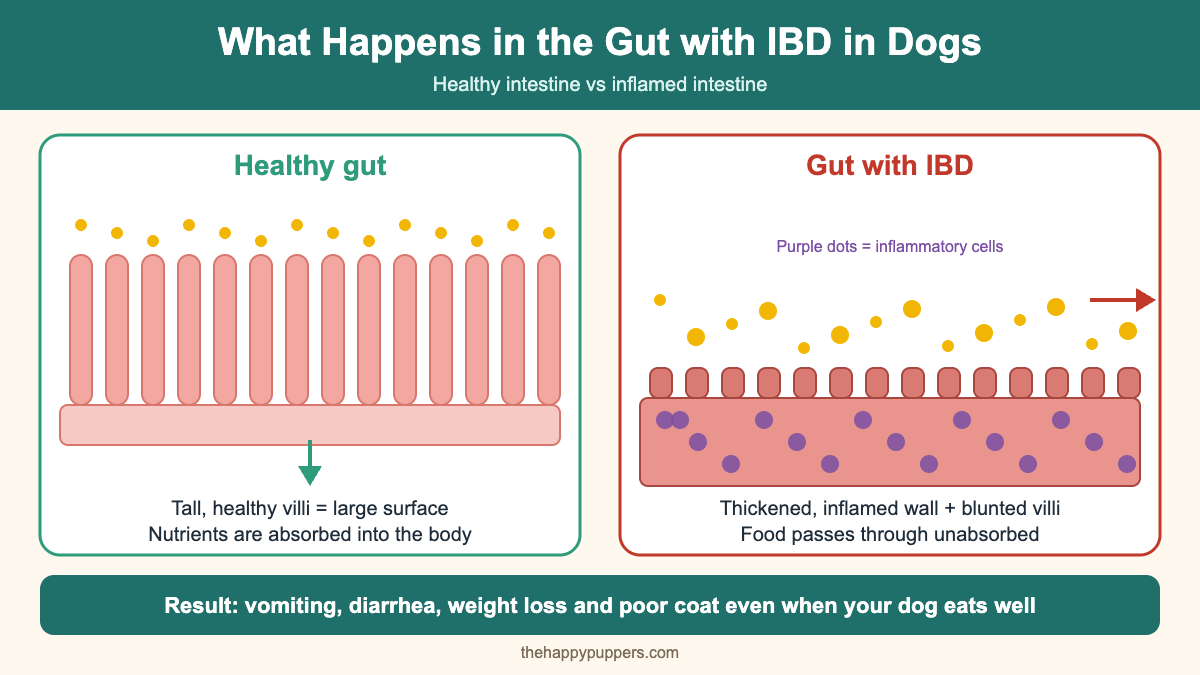
This process explains why many dogs with IBD in dogs lose weight despite a good appetite and why IBD in dogs diet 2026 strategies (especially hydrolyzed or novel protein diets) focus on calming the immune response and giving the gut a chance to heal.
Reader Tip: One reader noticed her dog’s chronic soft stools and dull coat improved dramatically within three weeks of switching to a hydrolyzed protein diet — exactly because it reduced the immune system’s attack on the gut lining.
Note on Terminology (2026 Update)
In 2026, the ACVIM consensus recommends shifting toward the term chronic inflammatory enteropathy (CIE) to reduce confusion with human inflammatory bowel disease. However, most dog parents and searchers still use IBD in dogs (Heilmann et al., 2026), which is why I continue with that term throughout this guide while noting the evolving veterinary language. (Today’s Veterinary Practice 2018)
Reader story for context: One reader told me her middle-aged mixed-breed dog started having loose stools and occasional vomiting that never fully resolved. After weeks of trial and error with different foods, her vet confirmed IBD in dogs. Stories like this are common, and they show why spotting IBD in dogs early can make a huge difference.
Quick Tip for 2026: The latest ACVIM consensus recommends starting with a proper dietary trial before invasive testing in most stable dogs. Many cases are now managed successfully with nutrition alone.
Could My Dog Have IBD?
Take this quick 6-question quiz to help you decide whether it’s time to speak with your vet.

Important: This is not a diagnosis — it’s simply a helpful tool to highlight common signs of IBD in dogs. Always consult your veterinarian for proper testing and advice.
IBD in Dogs vs. IBS in Dogs vs. Colitis in Dogs
Many readers ask me how IBD in dogs is different from IBS or colitis. Here is a clear comparison table:
| Aspect | IBD in Dogs | IBS in Dogs | Colitis in Dogs |
|---|---|---|---|
| Inflammation | Yes – actual inflammatory cells visible on biopsy | No – no visible inflammation | Yes – limited to large intestine |
| Cause | Immune-mediated, genetics, dysbiosis, food sensitivities | Primarily stress-related | Stress, diet changes, parasites, or part of IBD in dogs |
| Duration | Chronic, symptoms last weeks/months and recur | Usually short-term flares | Can be acute or chronic |
| Diagnosis | Biopsy is gold standard | Diagnosis of exclusion | Fecal tests; biopsy if linked to IBD |
| Treatment | Diet trial first, then meds | Stress reduction + bland diet | Treat trigger; often short-term |
IBD vs colitis in dogs is especially important because colitis can be a symptom of IBD in dogs or a stand-alone issue that clears faster. It is important to differentiate IBD in dogs from IBS, as IBD involves actual structural inflammation while IBS is primarily stress-related without visible gut damage (UrgentVet, 2025)
Is IBD in Dogs the Same as Crohn’s Disease?
Not exactly. Crohn’s disease is a specific human diagnosis. Dogs aren’t diagnosed with “Crohn’s”; vets use the term inflammatory bowel disease (IBD), now often called chronic inflammatory enteropathy. As an immunologist I find the similarity interesting: in both, the gut’s immune system reacts too strongly to things it should tolerate, such as food proteins and normal gut bacteria (Merck Veterinary Manual). The signs owners look up as “Crohn’s in dogs” are the same as the IBD signs above: chronic or recurring vomiting, diarrhoea (sometimes with mucus or blood), weight loss and a changing appetite. If your dog has had these signs for three weeks or more, ask your vet about chronic enteropathy.
What Causes IBD in Dogs?
The exact cause of IBD in dogs is often unknown (idiopathic), but veterinarians now agree it is a complex, multifactorial condition. According to the latest 2026 ACVIM-endorsed consensus on chronic inflammatory enteropathy, the disease arises from an interplay of genetics, immunology, environmental factors, and GI luminal components — especially diet and the gut microbiome.
Here is a clear breakdown of the main contributing factors:
Genetic Predisposition
Certain breeds have a higher risk of developing IBD in dogs because of inherited traits that make their immune systems more reactive to normal gut contents. The breeds most commonly affected include German Shepherds, Boxers, French Bulldogs, Yorkshire Terriers, Soft-coated Wheaten Terriers, Basenjis, and Doberman Pinschers. However, IBD in dogs is not limited to purebreds — mixed-breed dogs can develop it too. This is why every responsible dog parent should stay alert to persistent digestive symptoms, regardless of their dog’s breed.
Abnormal Immune Response
In dogs with IBD, the immune system mistakenly identifies harmless bacteria, food proteins, or even the dog’s own intestinal cells as threats. Instead of maintaining tolerance, it launches a persistent attack. This ongoing immune overreaction causes chronic inflammation in the gut lining, which thickens the intestinal wall and interferes with normal digestion and nutrient absorption.
Gut Microbiome Imbalance (Dysbiosis)
A healthy gut contains a diverse community of beneficial bacteria that protect the intestinal barrier and support digestion. In IBD in dogs, this balance is disrupted (dysbiosis). There is often reduced microbial diversity, an increase in potentially harmful bacteria such as Enterobacteriaceae, lower production of beneficial short-chain fatty acids, and altered bile acid metabolism. These changes weaken the gut barrier and fuel the inflammatory cycle.
Food Sensitivities or Allergies
Many cases of IBD in dogs are food-responsive. Certain proteins or ingredients in the diet act as triggers that provoke the immune system. This is exactly why a strict IBD in dogs diet 2026 trial — usually using hydrolyzed protein or novel protein diets — is often the first and most effective step in management. In many dogs, simply removing the offending food proteins can dramatically reduce inflammation.
Parasites or Chronic Bacterial Overgrowth
Ongoing or unresolved infections, such as giardia, whipworms, or bacterial overgrowth, can damage the intestinal lining and trigger or worsen the inflammatory response. Even after the parasite is cleared, the gut may remain in an inflamed state, contributing to chronic IBD in dogs symptoms.
Environmental and Lifestyle Factors
Repeated courses of antibiotics, chronic stress, sudden dietary changes, dietary indiscretions (eating garbage or table scraps), and exposure to environmental toxins can all damage the intestinal barrier and tip a genetically susceptible dog into IBD in dogs. Stress, in particular, can worsen symptoms by affecting gut motility and immune function.
Despite ongoing research, no clear guidelines yet exist to prospectively differentiate between food sensitivity, dysbiosis, and autoimmune triggers in individual dogs. In simple terms, IBD in dogs usually happens when a genetically susceptible dog encounters environmental triggers (like diet or microbes), and the immune system responds excessively instead of staying balanced. This creates a vicious cycle of inflammation, thickened gut walls, and poor nutrient absorption.
Reader Example
One reader noticed her Boxer mix began having recurring diarrhea and gradual weight loss shortly after completing a course of antibiotics for an unrelated infection. Testing revealed both dysbiosis and inflammation consistent with IBD in dogs. Switching to a hydrolyzed protein diet and adding targeted probiotics helped break the cycle and restored her dog’s energy and normal stools within weeks.
Understanding these multifactorial causes explains why treatment must be individualized. Many dogs improve dramatically with how to treat IBD in dogs at home strategies focused on diet and microbiome support, while others require additional medications.
A large 2024 cross-sectional survey from the Dog Aging Project (43,517 dogs) found that owner-reported gastrointestinal issues affect about 30% of dogs in their lifetime. Inflammatory GI disease specifically was reported in around 1% of cases, making chronic conditions like IBD in dogs a significant reason owners seek specialist care (Dog Aging Project Consortium, 2024).
Global Note
A large 2024 cross-sectional survey from the Dog Aging Project, which included 43,517 dogs across the United States, found that owner-reported gastrointestinal issues affect about 30% of dogs in their lifetime. Inflammatory gastrointestinal disease, including conditions like IBD in dogs, was specifically reported in around 1% of cases and remains a significant reason many dog parents seek specialist care. Similar patterns appear in veterinary practices nationwide, showing that IBD in dogs is a common concern for dog guardians regardless of region or lifestyle within the US.
Common Symptoms of IBD in Dogs
Symptoms of IBD in dogs can vary depending on which part of the gut is affected, but they usually persist or come back over time. The most common signs include:
- Chronic vomiting (food, bile, or foam)
- Persistent diarrhea (with or without mucus or blood)
- Weight loss even when appetite seems normal
- Poor appetite or picky eating
- Excessive gas or rumbling tummy sounds
- Lethargy or abdominal discomfort
- Dull coat or skin issues from malabsorption (Schmid et al., 2024)
If your dog shows these signs for more than 3–4 weeks, it is time to talk to your vet.
Related post from The Happy Puppers: Check my guide on Dog Vomiting and Diarrhea: Causes, Home Remedies, and Vet Options.
Breed Predispositions for IBD in Dogs
Certain breeds have a noticeably higher risk of developing IBD in dogs due to genetic factors that make their immune systems more reactive to gut triggers. The breeds most commonly affected include:
- German Shepherds
- Boxers
- French Bulldogs
- Yorkshire Terriers
- Soft-coated Wheaten Terriers
- Basenjis
- Doberman Pinschers
These breeds often show up more frequently in veterinary gastroenterology cases. However, IBD in dogs is not limited to purebreds — mixed breeds can develop it too. That’s why every dog parent should stay alert to persistent digestive symptoms, regardless of breed.
Quick Tip for Readers: If you have one of these predisposed breeds and notice recurring vomiting, diarrhea, or unexplained weight loss lasting more than 3–4 weeks, mention the breed history to your vet. Early awareness can lead to faster diagnosis and better management with the right IBD in dogs diet 2026 approach.
Colitis vs IBD in dogs
Colitis in dogs means inflammation of the large intestine (colon). It is one of the most common reasons dog parents notice sudden mucus or blood in the stool, increased urgency to poop, or frequent loose stools (PetMD, 2022).
Common triggers for colitis in dogs include:
- Sudden diet changes — Switching foods too quickly or introducing new treats can upset the delicate balance of the colon.
- Stress — Boarding, moving house, fireworks, thunderstorms, or even a new family member can trigger stress colitis (often called “nervous colitis”).
- Parasites — Whipworms, hookworms, or giardia are frequent culprits, especially in puppies or dogs that visit dog parks.
- Bacterial infections — Overgrowth of Clostridium or E. coli can cause acute colitis.
- Dietary indiscretion — Eating garbage, spoiled food, or non-food items (pica).
- Underlying chronic conditions — In many cases, colitis is actually a symptom of IBD in dogs rather than a standalone issue.
Key Difference from IBD in Dogs
Unlike full IBD in dogs, which involves deeper, ongoing inflammation throughout the gastrointestinal tract and often requires long-term management, simple colitis is usually limited to the colon. When caught early and the trigger is removed, simple colitis often clears up quickly — sometimes within a few days to a week — with the right short-term treatment such as a bland diet, probiotics, and targeted medication.
Reader Example One reader shared that her young Labrador developed bloody, mucousy diarrhea after a stressful weekend at a boarding facility. It turned out to be stress-induced colitis. Switching to a bland chicken-and-rice diet for 5 days plus a short course of metronidazole resolved the issue completely. In contrast, another reader’s German Shepherd mix had similar signs that kept returning for months — testing later confirmed it was part of IBD in dogs, needing a longer-term hydrolyzed diet plan.
When Colitis May Signal IBD in Dogs?
If colitis symptoms last longer than 2–3 weeks, keep recurring, or are accompanied by weight loss, vomiting, or lethargy, it is important to investigate whether it is linked to IBD in dogs. This is where a proper diet trial and diagnostics become essential.
Diagnosis
First 24–48 Hours While Waiting for Vet Appointment
While you schedule the visit, focus on these immediate steps:
- If your vet agrees, offer small, frequent bland meals (boiled skinless chicken and white rice). If a diet trial is planned, ask before changing food.
- Offer plenty of fresh water; add ice cubes if your dog is reluctant to drink
- Rest and reduce stress – short gentle walks only
- Note every symptom in a journal (this will help your vet)
These steps can ease discomfort and give you valuable information for the appointment.
How Veterinarians Diagnose IBD in Dogs?
Diagnosing IBD in dogs is not straightforward because many other conditions (parasites, infections, food allergies, cancer, or pancreatic disease) can cause similar symptoms. Vets follow a careful, step-by-step process of elimination to reach a confident diagnosis.
Here is how the diagnosis typically unfolds:
Detailed History and Physical Exam
Your vet will ask about the duration of symptoms, diet history, any recent changes, stress triggers, and response to previous treatments. They will also perform a thorough physical exam, checking for weight loss, abdominal pain, dehydration, and poor body condition.
Basic Laboratory Tests
- Fecal tests to rule out parasites (giardia, whipworms), bacteria, and protozoa
- Complete blood count (CBC) and chemistry panel to check for anemia, protein levels, and organ function
- Specific tests for vitamin B12 and folate levels (low B12 often indicates small intestinal disease in IBD in dogs)
Why Your Vet May Check Vitamin B12 (Cobalamin) and Albumin
Two blood values often shape the treatment plan. Low cobalamin (vitamin B12) is common in dogs with chronic small-intestinal disease, because the damaged lower small intestine absorbs it poorly. Many dogs need B12 supplements (injections or tablets) before they fully respond to treatment (Merck Veterinary Manual; VCA). Low albumin can mean the gut is leaking protein (protein-losing enteropathy). These dogs need closer monitoring, and the outlook is more guarded. Ask for both values if they weren’t part of your dog’s work-up.
Imaging
Abdominal ultrasound is very useful — it can show thickened intestinal walls, enlarged lymph nodes, or other abnormalities. X-rays may be done first to rule out foreign objects or obstructions.
Diet Trial (Often the First Major Step)
Many vets now recommend a strict 8–12 week elimination diet trial (usually a hydrolyzed protein or novel protein diet) before invasive tests. If symptoms improve significantly on the new diet and return when the old food is reintroduced, this strongly supports a diagnosis of food-responsive IBD in dogs.
Endoscopy and Intestinal Biopsies (Gold Standard)
If the diet trial does not fully resolve symptoms or if red-flag signs are present, your vet may recommend endoscopy. A small camera is passed into the stomach and intestines under anesthesia to take multiple biopsy samples. These biopsies confirm the presence of inflammatory cells and help rule out lymphoma or other serious diseases.
Important Note for 2026
Current guidelines emphasize starting with a proper diet trial in stable dogs before jumping straight to biopsies. This approach reduces unnecessary procedures and identifies the large percentage of dogs (38–89%) that are food-responsive.
Reader Example One reader’s French Bulldog had chronic diarrhea and weight loss for six weeks. Basic bloodwork and fecal tests were normal, but an ultrasound showed thickened intestinal walls. After an 8-week hydrolyzed protein diet trial, her dog’s symptoms improved by 80%. The vet decided biopsies were not immediately needed, confirming food-responsive IBD in dogs.
When Diagnosis Moves Faster
If your dog has rapid weight loss, severe lethargy, low protein levels, or blood in the stool, your vet may recommend skipping straight to ultrasound and endoscopy to rule out more serious conditions.
Accurate diagnosis is the foundation for successful IBD in dogs diet 2026 management and long-term care. The more information you can provide your vet (symptom diary, diet history, weight records), the quicker and more accurate the diagnosis becomes.
Best Treatment Options for IBD in Dogs
There is no single cure for IBD in dogs, but the condition is highly manageable for most dogs. The goal of treatment is to reduce inflammation, restore normal digestion, improve nutrient absorption, and minimize flare-ups so your dog can live a happy, comfortable life.
Treatment follows a stepwise approach, starting with the least invasive options. Most veterinarians now follow the 2026 ACVIM consensus guidelines that strongly recommend beginning with a diet trial before long-term medications.
1. Dietary Management – The Foundation of Treatment
Diet is the first and most important step for IBD in dogs. Between 38% and 89% of dogs with chronic inflammatory enteropathy are considered “food-responsive” and can achieve excellent control with diet changes alone.
Main Dietary Strategies in 2026:
- Hydrolyzed Protein Diets — Proteins are broken down into tiny pieces so small that the immune system does not recognize them as a threat. These are often the most effective option for severe or allergic cases.
- Novel Protein Diets — Uses protein sources your dog has never eaten before (duck, venison, rabbit, kangaroo, or fish). These reduce the chance of an immune reaction.
- Low-Fat, Highly Digestible Diets — Especially helpful when protein-losing enteropathy (PLE) is present or when fat malabsorption is an issue.
- Limited-Ingredient Diets — Only under veterinary guidance and usually as a maintenance option after a successful trial.
Key Rule: The diet trial must be strict for 8–12 weeks — no treats, table scraps, flavored medications, or other foods. Many readers see major improvement within 2–4 weeks.
Diet Trial Rules That Make or Break the Result
- One food only: feed the prescribed hydrolysed or novel-protein diet and nothing else, including dental chews, rawhides, flavoured toothpaste and table scraps.
- Check medicines: flavoured heartworm, flea and worming chews often contain beef or pork. Ask your vet for unflavoured versions.
- Use the diet as treats: use kibble from the trial food, or ask for matching treats.
- Everyone in the house agrees: one secret biscuit can undo weeks of progress.
- Keep a diary: write down stool score, vomiting, appetite and weight each week, and take it to your vet.
2. Medications When Diet Alone Is Not Enough
If symptoms persist after a proper diet trial, vets add medications in a controlled, tapering manner:
- Antibiotics — Current guidelines use these only selectively and short-term (e.g. metronidazole or tylosin), because routine use can harm the gut microbiome.
- Corticosteroids — Prednisone or budesonide (a “gut-targeted” steroid with fewer side effects) to quickly reduce inflammation. These are often started at a higher dose and slowly tapered.
- Immunosuppressants — Azathioprine, cyclosporine, or mycophenolate for dogs that do not respond well to steroids or need steroid-sparing options.
- Other Supportive Drugs — Anti-nausea medications, appetite stimulants, or drugs to protect the stomach lining.
Your vet will monitor bloodwork regularly to adjust doses and watch for side effects.
3. Supplements and Supportive Therapies
- Probiotics — High-quality, vet-recommended strains help restore a healthy gut microbiome.
- Vitamin B12 Injections — Many dogs with IBD in dogs become deficient and feel much better once levels are corrected.
- Omega-3 Fatty Acids (Fish Oil) — Have natural anti-inflammatory effects.
- Prebiotics and Fiber Sources — Used carefully in colitis-dominant cases.
4. Long-Term Monitoring and Adjustments
Treatment is rarely “set it and forget it.” Most dogs need periodic rechecks every 3–6 months, including bloodwork and weight monitoring. Many dogs can eventually be managed on diet and minimal or no medication once stabilized.
Reader Success Story A reader’s 7-year-old Boxer had severe diarrhea and weight loss for months. After failing two different kibbles, she switched to a hydrolyzed protein diet under vet guidance. Within 5 weeks her dog gained weight, stools normalized, and she was able to reduce steroids completely. Two years later, she remains stable on diet and occasional probiotics.
The Best Diet for Dogs with IBD (2026 Recommendations)
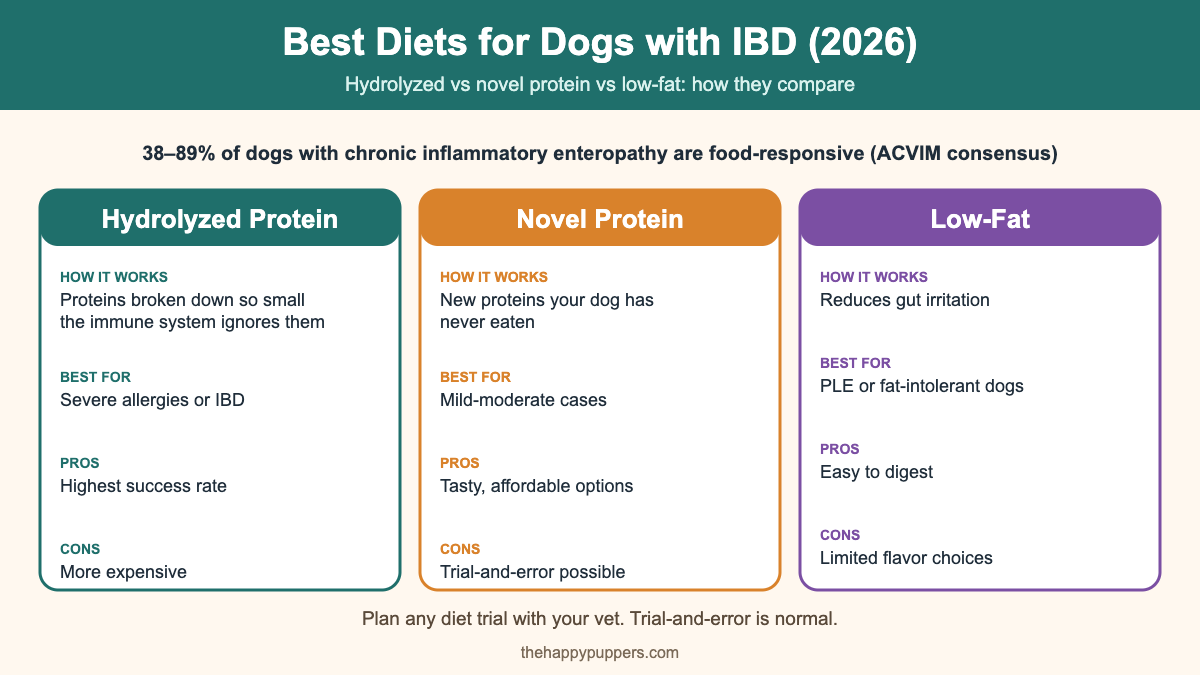
IBD in dogs diet 2026 focuses heavily on food-responsive cases. Recent ACVIM-endorsed consensus states that 38–89% of dogs with chronic inflammatory enteropathy are food-responsive, and many maintain long-term remission on diet alone.
Top choices:
- Hydrolyzed protein diets
- Novel protein diets
- Low-fat, highly digestible formulas
Diet Comparison Table
| Diet Type | How It Works | Best For | Pros | Cons |
|---|---|---|---|---|
| Hydrolyzed Protein | Proteins broken down so small immune system ignores them | Severe allergies or IBD | Highest success rate | More expensive |
| Novel Protein | New proteins dog has never eaten | Mild-moderate cases | Tasty, affordable options | Trial-and-error possible |
| Low-Fat | Reduces gut irritation | PLE or fat-intolerant dogs | Easy to digest | Limited flavor choices |
Internal link: Pair this with my Probiotics for Dogs guide.
Medications and Advanced Options for IBD in Dogs
If a strict diet trial alone does not fully control symptoms, vets move to medications in a careful, stepwise way. The 2026 ACVIM consensus on chronic inflammatory enteropathy strongly discourages routine empirical antibiotic use in most cases and prioritizes dietary management first, followed by targeted anti-inflammatory or immunosuppressive therapy when needed.
Common medications include:
Antibiotics (used selectively)
Metronidazole or tylosin may still be prescribed short-term for secondary bacterial overgrowth or colitis-dominant cases, but the latest guidelines recommend avoiding long-term or routine use to protect the gut microbiome.
Corticosteroids
These remain the mainstay for reducing inflammation quickly. Prednisone or prednisolone is often started at about 1–2 mg/kg per day (your vet sets the exact dose) for 2–3 weeks, then gradually tapered to the lowest effective dose. Never stop steroids suddenly. Budesonide is a popular alternative because it acts more locally in the gut with fewer whole-body side effects — ideal for dogs sensitive to traditional steroids.
Immunosuppressants (for more stubborn cases)
Azathioprine, cyclosporine, or mycophenolate can be added as steroid-sparing agents. These help reduce or eliminate the need for long-term high-dose steroids while keeping inflammation under control.
Your vet will monitor bloodwork closely during treatment to watch for side effects (increased thirst, appetite changes, or liver/kidney impacts) and adjust doses accordingly. The aim is always to use the minimum medication necessary while maintaining quality of life.
How to Treat IBD in Dogs at Home
How to treat IBD in dogs at home plays a huge role in success, whether your dog is on medication or managing with diet alone. Consistent daily habits can dramatically reduce flare-ups and support long-term remission.
Practical home strategies include:
- Feed small, frequent meals (3–4 times a day) instead of one or two large ones to reduce digestive stress.
- Stick strictly to the prescribed IBD in dogs diet 2026 — no treats, table scraps, or flavored medications unless approved by your vet.
- Reduce stress with predictable routines, calm environments, and mental enrichment like puzzle toys or slow feeders.
- Track weight and symptoms weekly using a simple journal or printable tracker (this helps spot patterns early).
- Give vet-recommended probiotics daily to support a healthy gut microbiome — certain multi-strain options like Visbiome Vet have strong evidence behind them.
- Consider gentle exercise such as short leash walks to keep the gut moving without overexertion.
Many readers find that combining these habits with the right diet allows them to lower medication doses over time or even manage flares with diet adjustments alone (Veterinary Partner, 2023).
When to See a Specialist (Gastroenterologist)
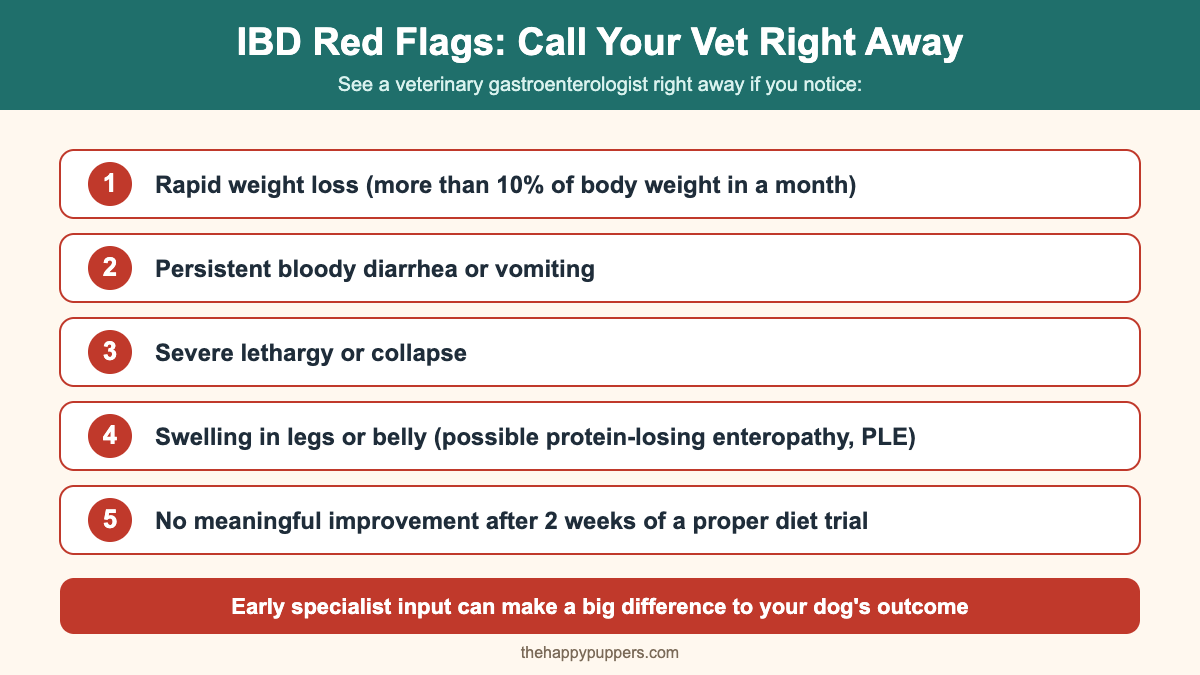
Red Flag Symptoms – Seek a veterinary gastroenterologist right away if you notice:
- Rapid weight loss (>10% of body weight in a month)
- Persistent bloody diarrhea or vomiting
- Severe lethargy or collapse
- Swelling in legs or belly (possible protein-losing enteropathy or PLE)
- No meaningful improvement after 2 weeks of a proper diet trial
Early specialist input can make a big difference in IBD in dogs life expectancy and overall quality of life by fine-tuning the diagnosis and treatment plan faster (Guilford Jamestown Veterinary Hospital, 2021).
Signs of an IBD Flare-Up That Need a Vet the Same Day
Call your vet promptly if you see: vomiting more than a few times in a day, black tarry stool or a lot of fresh blood, refusing food for more than 24 hours, lethargy or weakness, a swollen belly or fluid build-up, or fast weight loss. These can point to dehydration, bleeding or protein loss rather than a routine flare (VCA; Merck).
Home Care and Long-Term Management for Dogs with IBD
Long-term success with IBD in dogs depends on turning good habits into a sustainable lifestyle. Here are the daily steps that make the biggest difference for most readers:
- Feed small, frequent meals on a consistent schedule
- Stick strictly to the prescribed IBD in dogs diet 2026 — consistency is key to preventing flares
- Reduce stress with stable routines, puzzle toys, and calm feeding times
- Track weight and symptoms weekly so you can catch subtle changes early
- Continue vet-approved probiotics and any prescribed supplements
- Schedule regular check-ups (every 3–6 months) with bloodwork to monitor progress
Recent research from the AKC Canine Health Foundation shows that while clinical signs often improve within 8 weeks, full recovery of the gut microbiome may take up to one year (AKC Canine Health Foundation, 2025).
Printable Resource:
Print it, fill it weekly, and take it to every vet visit. This simple one-page tool has helped many readers work more effectively with their vets and make faster treatment adjustments.
Reader Example: A reader with a senior rescue dog used puzzle toys for mental stimulation and calm feeding times to cut flare-ups dramatically while managing IBD in dogs. By tracking weight every Sunday, she and her vet were able to taper medication safely and keep her dog comfortable for over two years.
These home care practices, combined with the right medical support, help most dogs enjoy a normal, happy life despite the diagnosis.
Questions to Ask Your Vet About IBD
- Has my dog had a cobalamin (B12), folate and albumin test?
- Which diet trial do you recommend, and for how long?
- Have parasites (including giardia) been ruled out, and should we deworm anyway?
- If diet doesn’t work, when would you suggest an ultrasound or biopsies?
- If my dog needs steroids, what side effects should I watch for, and how will we taper the dose?
Prognosis and IBD in Dogs Life Expectancy
The prognosis for IBD in dogs is generally good when diagnosed early and managed properly. Food-responsive dogs (38–89% of cases per 2026 ACVIM consensus) often have an excellent outlook and can enjoy a normal lifespan on diet alone. Studies show that up to 97% of food-responsive dogs survive more than 3 years with consistent care. Mild-to-moderate cases that respond to diet therapy have a very good long-term prognosis, with occasional flare-ups but overall normal life expectancy. (Cornell University College of Veterinary Medicine)
Even in more challenging cases, close monitoring and tailored plans allow most dogs to live happy, full lives.
“Dogs with mild to moderate IBD that respond to diet therapy with or without antibiotics have a good prognosis.”
Cornell University
The Happy Puppers Categories That Can Help with IBD in Dogs
The Happy Puppers is organized into six main categories so you can find exactly the support you need when managing IBD in dogs. Here’s how each category can help you and your dog:
- Dog Health In-depth guides on symptoms, chronic conditions, and when to seek veterinary care. Useful for understanding vomiting, diarrhea, protein-losing enteropathy, and long-term monitoring of IBD in dogs.
- Dog Nutrition Practical advice on gut-friendly diets, hydrolyzed and novel protein options, probiotics, superfoods, and safe supplements. This is where you’ll find the most help with IBD in dogs diet 2026 and food trials.
- Dog Behaviors Strategies to reduce stress, which is a major trigger for flare-ups. Learn calming techniques, enrichment ideas, and how to manage anxiety that can worsen colitis or IBD in dogs symptoms.
- Dog Grooming Tips for dealing with secondary skin and coat issues caused by malabsorption, including dry skin, dull coat, and itching that often accompany chronic IBD in dogs.
- DIY for Dogs Homemade enrichment toys, puzzle feeders, and low-stress activities to keep your dog mentally stimulated without overtaxing their digestive system during recovery or flare-ups.
- Dog Breeds Breed-specific health insights for dogs that are genetically predisposed to IBD in dogs, such as German Shepherds, Boxers, and French Bulldogs, including tailored care tips.
Exploring these categories together gives you a complete toolkit — from medical understanding to daily practical support — so you can better manage your dog’s IBD in dogs and improve their quality of life.
Final Thoughts
Living with IBD in dogs doesn’t mean the end of zoomies, park visits, or cozy snuggles on the couch. With the right IBD in dogs diet 2026, consistent home care, and close partnership with your veterinarian, most dogs go on to enjoy a happy, comfortable life for many years.
If this guide helped you better understand your dog’s condition or gave you practical next steps, I’d love to hear from you. Drop a comment below and share your dog’s story — whether you’re just starting the journey or have already found what works. I read every single one.
For more real-talk videos on gut health, managing chronic conditions, and everyday life with dogs, subscribe to my YouTube channel Shruti and Delta
You’ve got this. Your dog is incredibly lucky to have such a caring guardian looking out for them. 🐾
Frequently Asked Questions
IBD in dogs is chronic inflammation of the gastrointestinal tract caused by an overactive immune response.
Stress, diet changes, parasites, bacteria, or it can stem from IBD in dogs.
Start with a strict diet trial, add probiotics, use medications if needed, and follow how to treat IBD in dogs at home routines.
No. Colitis in dogs is not contagious.
Almost never when treated. Is colitis in dogs curable? Acute cases often are; chronic cases linked to IBD are manageable.
Usually it’s controlled rather than cured. Many dogs do well long term on the right diet, sometimes with medication that is slowly reduced to the lowest dose that works (VCA).
It can cause stomach cramps and discomfort, especially during flares. Signs include a hunched posture, restlessness or a “praying” position. Tell your vet so pain can be managed.
Avoid fatty table scraps, sudden food changes and treats outside the prescribed diet. During a diet trial, even flavoured chews or medicines can spoil the result.
Can IBD in dogs turn into cancer?
IBD itself isn’t cancer, but intestinal lymphoma can look very similar and may develop in some dogs with long-standing inflammation. That’s why vets recommend biopsies when a dog doesn’t respond to diet and treatment as expected.
Is pumpkin good for dogs with IBD?
A spoonful of plain canned pumpkin adds fibre and can help some dogs with colitis-type diarrhoea. During a strict diet trial, though, give nothing extra without your vet’s OK.
Do dogs with IBD need probiotics?
Probiotics can help some dogs, and multi-strain products have the best evidence. They work alongside diet and medication, not instead of them. Ask your vet which product suits your dog.
About the Author
Dr. Shruti Bhattacharya is the founder and guiding force behind The Happy Puppers, combining a Ph.D. in Immunology with decades of direct canine care experience. Her passion for the well-being of dogs has taken many forms:
- Academic & Scientific Rigor – Dr. Shruti applies a science-based approach to pet care, enriched by her training in immunology.
- Hands-On Street Work – Over the past 10+ years, she has personally cared for 30+ street dogs, tending to their health, training, and rehabilitation, even as she relocated and continued caregiving with 15 dogs, and currently supports 5 local neighborhood dogs outside her apartment.
- Instinctual Bond with Dogs – From stray pups to fostered companions, even strangers recognize her as a safe and trusted friend to dogs—drawn to her calm presence and empathy.
- Personal Pack – She’s the proud canine mom of Delta, a Basenji mix; Zeus, an energetic Labrador mix; and Alpha, a curious Indian pariah pup—each inspiring her mission through their daily lives.
Through The Happy Puppers, Dr. Shruti shares science-backed advice, empathetic insight, and evidence-based tips designed to empower dog guardians worldwide. The purpose of this is to blend real-world experience with academic expertise, helping every dog feel safe, loved, and thriving.
Learn More…
🏆 The Happy Puppers was named one of the Top 100 Best Pet blogs on Feedspot in 2025.

Disclaimer
This content is for informational purposes only and not a substitute for professional veterinary or grooming advice. Consult a veterinarian for specific dietary concerns.
References
- American College of Veterinary Internal Medicine (2026) ‘ACVIM-endorsed statement: consensus statement and systematic review on guidelines for the diagnosis and treatment of chronic inflammatory enteropathy in dogs’, Journal of Veterinary Internal Medicine, 40(1). Available at: https://academic.oup.com/jvim/article/40/1/aalaf017/8429723
- AKC Canine Health Foundation (2025a) Gut microbiome recovery in IBD. Available at: https://www.akcchf.org/breakthrough/gut-microbiome-recovery-in/
- AKC Canine Health Foundation (2025b) Improving diagnosis and treatment of inflammatory bowel disease, Grant No. 01855-A. Available at: https://www.akcchf.org/grant-directory/01855-a/
- Cornell University College of Veterinary Medicine. Inflammatory bowel disease (IBD). Riney Canine Health Center. Available at: https://www.vet.cornell.edu/departments-centers-and-institutes/riney-canine-health-center/canine-health-topics/inflammatory-bowel-disease-ibd
- Dog Aging Project Consortium (2024) Cross-sectional survey of 43,517 dogs in the Dog Aging Project identifies owner-reported lifetime prevalence and characteristics of gastrointestinal disease. Available at: https://dogagingproject.org/scientific-results-cross-sectional-survey-of-43517-dogs-in-the-dog-aging-project-identifies-owner-reported-lifetime-prevalence-and-characteristics-of-gastrointestinal-disease
- Guilford Jamestown Veterinary Hospital (2021) ‘Inflammatory bowel disease in dogs: life expectancy’, 28 February. Available at: https://www.guilfordjamestownvet.com/site/blog-greensboro-vet/2021/02/28/inflammatory-bowel-disease-in-dogs-life-expectancy .
- PetMD (2022) IBD in dogs. Available at: https://www.petmd.com/dog/conditions/digestive/c_dg_inflammatory_bowel_disease.
- Today’s Veterinary Practice (2018) Inflammatory bowel disease (IBD) in dogs and cats. Available at: https://todaysveterinarypractice.com/gastroenterology/inflammatory-bowel-disease-dogs-cats/.
- UrgentVet (2025) Inflammatory bowel disease (IBD) in dogs: signs, causes, and treatment, 28 July. Available at: https://urgentvet.com/inflammatory-bowel-disease-in-dogs/.
- VCA Animal Hospitals Inflammatory bowel disease in dogs. Available at: https://vcahospitals.com/know-your-pet/inflammatory-bowel-disease-in-dogs.
- Veterinary Partner (2023) Inflammatory bowel disease in dogs and cats. VIN. Available at: https://veterinarypartner.vin.com/default.aspx?pid=19239&id=4951476.
- WebMD (2025) Inflammatory bowel disease (IBD) in dogs: causes, symptoms, and treatment. Available at: https://www.webmd.com/pets/dogs/inflammatory-bowel-disease-ibd-dogs.
