


We as dog parents/lovers always want the best for our pooch. In this context, food or the diet holds the top priority. Dogs are the descendants of wolves. Because of this, a lot of argument has been going on about feeding dog the raw dog food. Many sources claim that raw dog food is better than all other types of dog diets available. But does it hold correct for the domesticated dogs?
Topics covered in this blog post
The types of raw dog food:
The BARF raw dog diet:
Supporters say it suits dogs because of their short intestines and strong stomach acid, though this hasn’t been proven to make raw food safer. The raw diet has a minimum amount of carbohydrates, is moderate in its fat quantities and high in protein.
The raw dog diet primarily consists of:
- Vegetables and fruits
- Raw meaty bones
- Muscle meat
- Organ meat
- Supplements
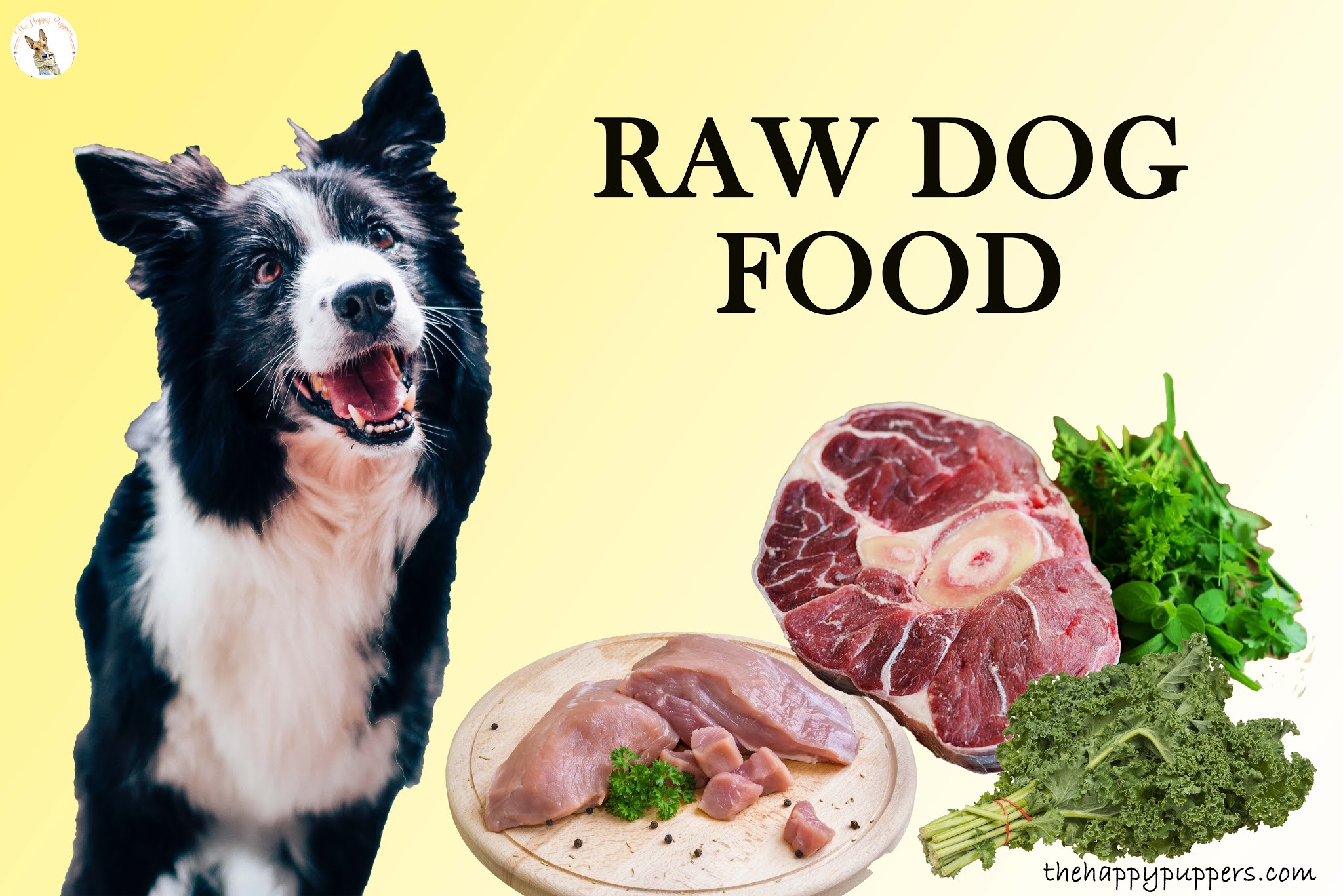
Benefits of the B.A.R.F. raw dog food:
- Improvement in the skin, coat texture and shine.
- More muscular, leaner build. About 56% of US dogs are overweight or obese (APOP 2018), which can lead to many health issues.
- Less body and stool odor.
- Calmer pooch.
- Fresher breath and cleaner teeth.
- A raw diet is utilized more by dog’s body resulting in improved digestion and smaller stools.
- More energy.
Advantages of the B.A.R.F. raw dog diet (as proven by research):
- Higher fecal microflora was observed in dogs who were fed raw food as compared to ones who were fed a commercially available diet.
- Raw food fed dogs also exhibited better stool quality.
Disadvantages of the B.A.R.F. raw dog food:
Raw food has also exhibited the risk of introducing antimicrobial resistant bacteria in dog’s intestine. Such bacteria can encode resistance towards antibiotics like cephalosporins.
Other infectious organisms which may get transmitted via raw diet include bacteria (like Listeria, E. coli, Campylobacter, Yersinia etc.), parasites (Toxoplasma gondii) and zoonotic agents (Brucella suis). Such infectious agents can colonize and cause disease in both dogs as well as their caregivers.
Raw dog diet has also shown to cause nutritional deficiencies (calcium/phosphorus imbalances, vitamin deficiencies). This mainly results from the caregiver’s need to simplify the recipe or certain ingredients might be unavailable.
The genetic makeup of dogs, contrary to what is commonly believed, is not similar to its wild ancestor, the gray wolves. The domestic dog has higher capacity to digest starch due to different gene expression patterns.
Not a recommendable diet for homes with young kids or immuno-compromised individuals. Raw food does present a risk of bacterial contamination.
The prey model raw (PMR) diet:
There are two types of PMR raw diet for dogs:
Whole prey model raw feeding:
Franken prey feeding:
This type of feeding is used for raw feeders who follow the guidelines of the PMR ratio:
- 75-80% of muscle meat
- 10% of raw edible bone
- 5% of liver
- 5% other organs
- 0-5% of animal based fiber
Advantages of the PMR raw dog food:
- Higher energy levels
- Shinier coat and healthy skin
- Improvement in digestion
- Cleaner, whiter teeth
- Better weight control
- Reduction in allergy
- Better stool
Disadvantages of the PMR raw dog food:
- The threat to humans from the bacteria in the raw bone and meat is much greater than it is towards dogs. Thus, appropriate hygiene practices need to be in place.
- Colonization of your dog’s intestine with antibiotic resistant bacteria.
- You must pay attention to your dog and make sure that he/she does not choke on the raw bone. Especially when transitioning from a different diet type towards PMR diet, keep an eye out for bilious vomiting and impacted intestines.
Is raw dog food safe? What vets say
The American Veterinary Medical Association (AVMA) discourages feeding raw or undercooked meat, poultry, fish, eggs or milk to dogs, because these foods can carry germs like Salmonella, Listeria, E. coli and Campylobacter. Dogs can carry these germs without looking sick and pass them to people, especially young children, older adults, pregnant women and anyone with a weak immune system. If anyone in your home is in one of these groups, a cooked or commercially processed diet is the safer choice.
If you do feed raw: choose a complete and balanced commercial raw food that is tested for germs, or have a homemade recipe formulated by a board-certified veterinary nutritionist; homemade raw diets are rarely balanced (VCA). This matters most for puppies, whose bones can be harmed by the wrong calcium and phosphorus balance. Tell your vet you feed raw.
Safe handling (FDA): wash your hands with soap and water for at least 20 seconds after handling raw food; clean and disinfect bowls, counters and utensils; keep raw pet food frozen until use and thaw it in the fridge; throw away leftovers; and don’t let your dog lick your face right after eating.
About bones: raw bones can break teeth, get stuck in the throat, stomach or intestines, or pierce the gut, which may need emergency surgery (FDA, VCA). Never feed cooked bones. If you feed raw bones, choose ones too large to swallow whole, always supervise, and ask your vet first.
How to start on the raw meat diet for dogs?
First advice, no sudden changes. If your pup is on a different diet and you want to switch him/her to the raw dog diet, then wean them off their current diet and introduce the raw diet very slowly. This is done so that their bodies can smoothly adjust to the new type of diet.
How much raw dog food to feed your dog?
However, for both puppies and adult dogs the feeding quantity should be carefully monitored depending on the exercise level and age.
I also found Raw feeding calculators by which you can find out exactly how much BARF or PMR raw dog food to give your pup.
A few simple rules to keep in mind when feeding your pooch, the raw dog diet:
- The diet must contain the right amount of calcium. Raw feeders often use raw meaty bones for this, but bones carry real risks (see “About bones” above), so ask your vet or a veterinary nutritionist how to balance calcium safely.
- Organs are the best source of multi-vitamins.
- Muscle meat supports the production of essential hormones and enzymes in your dog’s body.
- Fat is good for your pup when provided in the right quantities. If your pooch’s diet has too much fat, then it would reduce his vitamin and mineral intake.
- Raw diets are usually low in starch, though dogs can digest starch well.
- Make sure to keep changing the types of meat in your dog’s diet, so that he/she does not get bored of eating the same food every day.
Conclusion
Also, let me know in the comment section if you want me to specifically write about a certain topic or make a video covering anything you need to know. I assure you, I will touch up on that as soon as possible.
See you in my next blog post
Shruti
Frequently asked questions
It’s debated. Owners report shinier coats, smaller stools and more energy, but these benefits aren’t proven, and raw diets can carry harmful bacteria and are often unbalanced. The AVMA discourages feeding raw meat to dogs. If you choose raw, use a complete and balanced, germ-tested food and talk to your vet.
Raw dog diet is bad for dogs since it contains bacteria which may colonize in your dog’s stomach. Furthermore, the diet must be balanced to include the right quantity of proteins, vitamins and minerals. In case your dog receives unbalanced diet, it may cause health issues in future.
Do vets recommend raw dog food?
Most vet organizations don’t: the AVMA discourages raw diets because of the risk of bacteria to dogs and people. If you still want to feed raw, work with your vet or a board-certified veterinary nutritionist, because homemade raw diets are often unbalanced.
There are two main types of raw dog foods for dogs:
the PMR diet
the B.A.R.F. diet
PMR (prey model raw) is a raw diet that tries to copy a whole prey animal: roughly 80% muscle meat, 10% raw edible bone, 5% liver and 5% other organs, with no fruits, vegetables or grains. Like all raw diets, it carries bacteria and balance risks, so talk to your vet first.
Raw diets are riskier for puppies, because an unbalanced diet can harm growing bones and puppies are more vulnerable to bacteria. If you want to feed a puppy raw, use a complete and balanced commercial food made for growth or a recipe from a veterinary nutritionist, and talk to your vet.
