


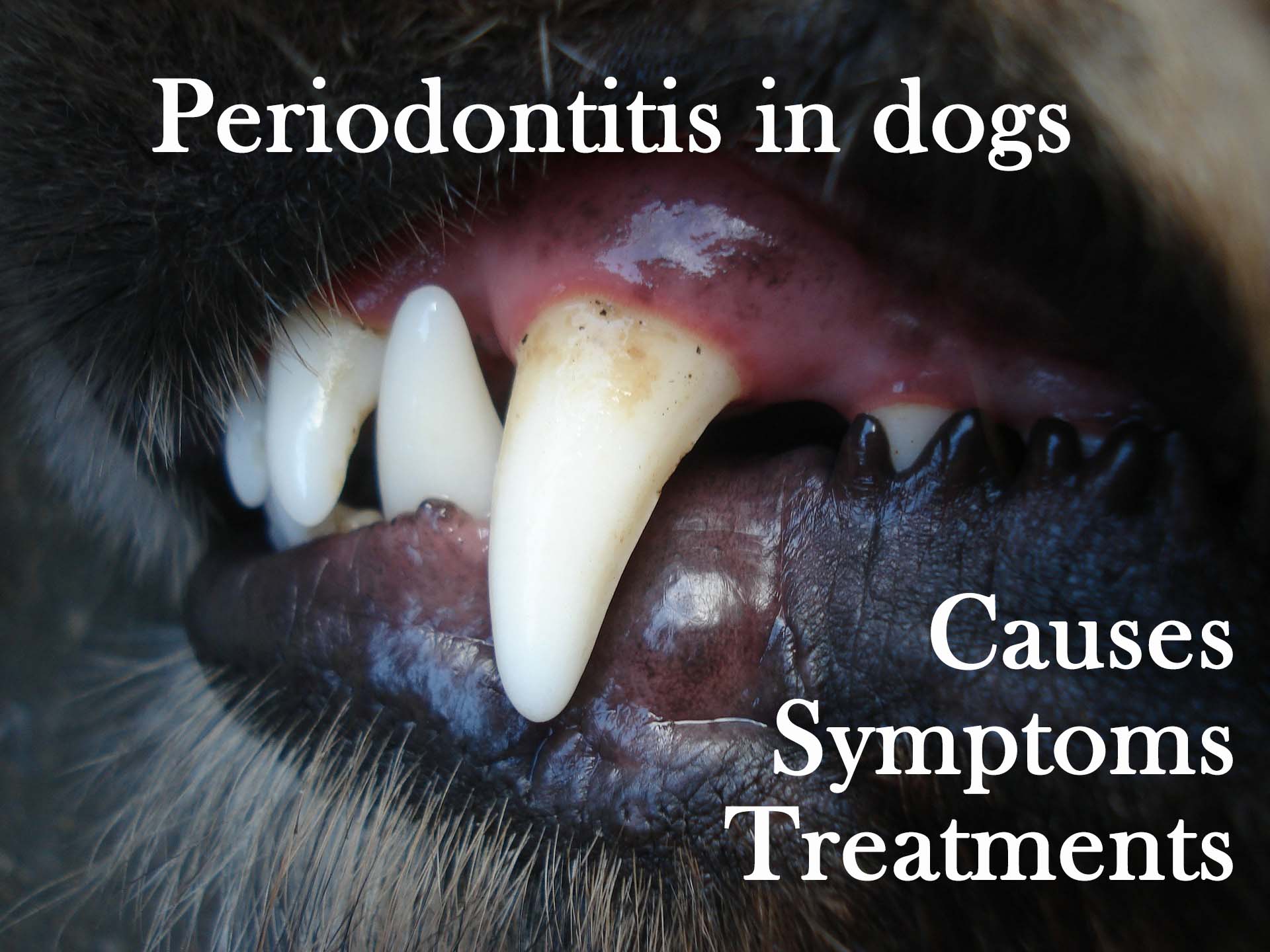
Periodontitis in dogs can negatively affect their quality of life.
Periodontitis damages the tissues supporting the teeth and can cause significant pain. Learn the warning signs, how it is diagnosed and how veterinary treatment and home care work together.
Periodontal disease is common in dogs, but gingivitis and periodontitis are not the same. This post explains the stages, warning signs and steps that can help protect your dog’s oral health.
Topics covered in this blog post
What is periodontitis in dogs?
One of the most common gum diseases in dogs is the periodontitis in dogs. This is a recurring, progressive and inflammatory disease. Periodontitis is usually caused by bacteria present in the mouth of your dog. This disease leads to infection which occurs in the gums. These bacteria hide beneath the gums of the dogs, therefore, the symptoms are not usually visible during the initial stages of the disease.
By the time the dog guardians realize that something is wrong with their dog’s teeth, the disease usually has progressed to serious stages. By this time, your dog might be in a world of pain. This is why taking care of your dog’s teeth is of utmost importance.
Causes behind periodontitis in dogs
Dogs have more of an alkaline environment in their oral cavity. This environment makes it ideal for the plaque forming bacteria to make your dog’s mouth their home and proliferate.
As previously mentioned, the primary perpetrator of periodontal disease in dogs are the oral bacteria which enter through your dog’s mouth and stick to the teeth and cause formation of plaques.
Plaque is a bacterial biofilm that starts accumulating soon after eating. Daily brushing helps control it; there is no fixed 24-hour period during which the teeth remain plaque-free.
The plaque formed on your dog’s teeth harden, mineralize and finally turn in to calculus which is referred to as tartar within a period of 72 hours. The tartar is very difficult to remove by the process of brushing. To remove the tartar, you will have to take your pup to the vet.
Daily brushing is an important part of plaque control, but it does not remove established tartar or replace professional dental examinations and treatment. Ask your vet about appropriate dental products for your dog.
Is periodontitis in dogs communicable to other dogs or humans?
Periodontal disease is one of those gum diseases in dogs which has not been observed to be contagious to other humans or animals. However, people are at risk of suffering from dental diseases if proper dental care and oral hygiene is not observed regularly.
Are there any vaccines available to prevent periodontitis in dogs?
Unfortunately, no. There are currently no vaccines available to prevent this type of disease. However, there are many ways to keep your dog’s teeth healthy.
Which breeds are most susceptible to suffering from periodontitis?
There are many factors which can make your dog prone to periodontal disease like the dog’s breed, poor dental hygiene, the shape of the mouth and jaw, maligned bite, being bracycephalic etc. The following dog breeds have been observed to have a higher tendency of suffering from periodontal diseases:
Pugs
Pugs suffer from the problem of teeth crowding. They have very small jaws which are not able to sufficiently space out each and every tooth. This leads to crowding of the jaw. Crowding makes the pug’s teeth more susceptible to the development of plaque leading to gingivitis, periodontitis, other gum diseases in dogs and even teeth loss.
Small jaws, crowded teeth and some short-faced conformations can increase dental-care challenges. Dental risk should be assessed in the individual dog rather than assuming all listed breeds have the same muzzle shape.
Border Collies
Do not assume every herding dog has an overbite. An abnormal bite, crowding or other oral problem should be assessed during the dental examination.
Yorkies
Small and toy dogs can have crowded teeth or retained baby teeth. All puppies have deciduous teeth; the concern is whether these persist alongside adult teeth and contribute to crowding.
Shih Tzus
This breed not only has the teeth crowding problem, it also has the problem of teeth erupting later than the usual time. This late teeth eruption can lead to tooth impaction as well as formation of dentigerous cyst.
Signs and symptoms of periodontitis in dogs
The signs of periodontal disease in dogs can be very different depending on the specific dogs. Some dogs, by the look of it, have beautiful pearly white teeth and no disease which can be seen up front. However, on conducting a thorough gum examination as well as full mouth x-rays after anaesthetization of the dog, it is found that the dog is already suffering from severe gum disease. This is the reason why you should not wait for gum discoloration or symptoms to appear in the teeth. Dental checkups should be a part of your dog’s annual checkup and should not be missed.
The sign of the periodontal disease will also depend on the stage of periodontal disease your dog is suffering from. Periodontal disease can be divided into four stages in case of dogs with stage I being the mild disease where the symptoms are not apparent and stage IV being of the most serious manner.
Stages of periodontitis in dogs
Stage 0: healthy and normal periodontium
A healthy mouth has no gingival inflammation or loss of tooth attachment. Normal gum pigmentation varies. The lamina dura is normal bone anatomy seen on dental X-rays, not a feature that should be absent in health.
Stage 1: Gingivitis
Gingivitis basically means inflammation of the gums. At this stage, there is no loss of tooth or bone attachment. The symptoms of the disease might be very subtle and identifiable only on careful and close examination. The primary symptoms during this stage include
- puffy/swollen and red gums
- horrible stinking breath
- gum bleed during chewing or brushing
- the deposition of plaque or tartar on the tooth
Prognosis
Gingivitis or stage 1 is easily reversible with polishing, professional scaling and diligent oral care routine at home. However, if there is no treatment administered at this stage, the plaque and tartar will persist and lead to an increase in bacterial population and progress to stage II.
Stage II: Loss of tooth attachment
Stage II is early periodontitis with less than 25% loss of tooth attachment. The vet uses examination, periodontal probing and dental X-rays to assess each tooth.
Symptoms of stage II
- formation of pockets between the gum and the tooth
- bad breath
- bleeding gums
- receding of the bones and gums
- swollen and puffy gums
Prognosis
Stage II needs professional veterinary treatment, not home rinsing alone. Treatment may include scaling, polishing and cleaning below the gumline, with additional periodontal care selected for the affected teeth.
Stage III: Moderate loss of attachment
Stage III is established periodontitis with 25–50% attachment loss. Pocket measurements must be interpreted for the size and anatomy of each tooth; a fixed 5 mm depth is not the definition.
Symptoms of stage III
- loose teeth
- extensive reduction in the bone
- gum recession observed in moderate levels
- deepening of the pockets
- extension of the plaque and tartar further down to the roots.
Prognosis
At this stage, advanced level dental procedures will be required to save your dog’s teeth and gums.
Stage IV: Periodontitis
Stage IV is advanced periodontitis with more than 50% attachment loss. Affected teeth may be loose or missing, and the disease can be very painful.
Symptoms of stage IV
- deepening pockets
- extensive spread of plaque and tartar
- severe inflammation of the gums
- painful gum and bone loss
- exposure of the tooth root
- missing or loose teeth
- white blood cells accumulating in the gums which leads to release of pus from around the teeth.
Prognosis
At this advanced stage, the only treatment which remains to help your dog is to remove the tooth entirely.
Is periodontitis reversible?
Gingivitis can be reversed with appropriate professional cleaning and ongoing home care. Brushing alone cannot remove established tartar or diagnose disease below the gumline. If the mouth is painful or bleeding, arrange treatment rather than forcing brushing.
Stages II and III already involve periodontitis. Treatment aims to control infection, preserve suitable teeth and limit further damage, but success requires follow-up and home care; it is not guaranteed to stop progression permanently.
Is periodontitis painful?
Have you ever suffered from toothache? Or undergone any kind of root canal treatment? If you have, you would know that toothache is the thing of nightmares. It is the same case with your pup as well. Periodontal disease is a very painful class of gum diseases in dogs. The constant discomfort which occurs due to the disease can lead to behavioral changes like
- flinching or pulling away if you try to lift the lips to have a look at the teeth.
- Your dog does not allow you to brush their teeth because it is very painful
- the dog starts to chew the food in a different manner or smack the gums a lot.
- The dog may become aggressive or withdrawn due to the pain.
- Your dog may stop playing with chew toys or rope toys.
How to identify if your dog is in pain?
How is periodontitis diagnosed in dogs?
A complete periodontal assessment combines examination, probing and dental X-rays under general anesthesia. An awake look at the teeth can miss disease below the gumline; ask the vet about an individualized anesthesia and dental-treatment plan.
How to prevent periodontitis in dogs?
Introduce brushing gradually when your dog is relaxed and willing to participate. Reward brief lip lifts and gentle brush contact, building up slowly with a soft brush and dog toothpaste. Do not grab, restrain or exhaust a dog to overcome resistance. Stop if your dog is fearful, painful or bleeding and ask the vet for help. Daily brushing supports prevention but does not replace professional care.
Conclusion
Teeth are the most important components of the dog’s body. Dogs need their teeth to interact with other dogs, to play, to hold things in their mouth etc. The teeth are a part of the dog’s identity and should be protected as such. Get your dog used to the process of brushing at an early age so that you can prevent the formation of periodontal disease in your pup during the later stages of his or her life. You can also go for dental chews f you cannot brush your dog’s teeth everyday.
I started brushing Delta’s teeth when he was around four months old. Initially, he would resist a lot. So, I switched gears and started to brush his teeth after his walks when he would be dead tired. This time, he would offer me the least resistance. Now, he is two and half years old and does not mind getting his teeth brushed every day. I use a dog toothpaste and toothbrush meant for kids for brushing Delta’s teeth. I still brush his teeth right after his walk. I tried using dental chews, but he hates any kind of commercial dog treats or chew products. So, brushing his teeth is the only option I have to keep his gums and teeth healthy.
How do you care for your dog’s oral hygiene and prevent hum diseases in dogs? Has your dog ever suffered from periodontitis? What was your veterinarian’s advice on the same? What do you do to prevent periodontal disease in your dog? Let me know in the comment section below so that other dog guardians can be made aware of other methods to prevent periodontitis in dogs.
If you wish to share any stories or anecdotes with the world, feel free to contact me on any of my social media channels. If you found this blog post and preventive, do not forget to subscribe to this blog, so I can send you regular dog tips and tricks right into your inbox.
See you in my next blog post
Shruti
