


Last updated: March 13, 2026
Hey there, fellow dog lovers! If you’re reading this, chances are you’re worried about your furry companion’s health, and that’s exactly why I started The Happy Puppers—to share practical, science-backed advice drawn from my own experiences raising Delta, my energetic German Shepherd-Pitbull mix, Zeus, my laid-back Labrador mix, and Alpha, my spirited exotic Indian pup. Today, we’re diving deep into dog diabetes symptoms, a topic that’s close to my heart because I’ve seen how subtle changes in a dog’s behavior can signal bigger issues. As someone who’s spent years observing and caring for dogs, I know how heartbreaking it can be to miss those early cues. But don’t worry—knowledge is power, and by the end of this post, you’ll feel equipped to spot dog diabetes symptoms and take action.

Dog diabetes symptoms can sneak up on even the most attentive guardians, but catching them early makes all the difference. In this guide, I’ll break down everything from the basics of canine diabetes to specific signs in different breeds, real-life stories from my own circle, and tips on managing diabetes symptoms. We’ll also touch on the latest insights for 2025, including emerging trends in veterinary care like advanced glucose monitoring tools.
Topics covered in this blog post
At a Glance: Dog Diabetes Symptoms
- Excessive Thirst & Urination: Drinking more water and frequent accidents, even in house-trained dogs.
- Increased Hunger: Eating more but still losing weight.
- Unexplained Weight Loss: Dropping pounds despite normal or increased appetite.
- Lethargy: Reduced energy, less interest in play or walks.
- Other Signs: Dull coat, cloudy eyes (cataracts), fruity breath, or recurring infections.
Quick Facts
- Affects ~1 in 300 dogs, with females twice as likely to develop it.
- Common in middle-aged to senior dogs (7–10 years) and breeds like Rottweilers, Pugs, and Samoyeds.
- Up to 80% of diabetic dogs may develop cataracts if untreated.
What to Do Next
- Monitor symptoms for 2–3 days using a journal or our printable checklist.
- Contact your vet for blood glucose and urine tests.
- Prepare for diagnosis with diet and behavior details.
- Start management with insulin, high-fiber diet, and regular exercise.
Management Tips
- Insulin Therapy: Twice-daily shots, ~$40–$150/month.
- Diet: High-fiber, low-fat foods like Hill’s w/d or Royal Canin Glycobalance.
- Monitoring: Use at-home glucose monitors (e.g., AlphaTRAK 3).
- Exercise: Consistent walks to stabilize blood sugar.
2025 Insights
- AI-driven tools like glucose monitors and apps improve early detection.
- New therapies, like canine FGF-21, show promise in managing hyperglycemia.
Download our free Canine Diabetes Symptoms Checklist to track your dog’s health and act fast!
What Is Canine Diabetes?
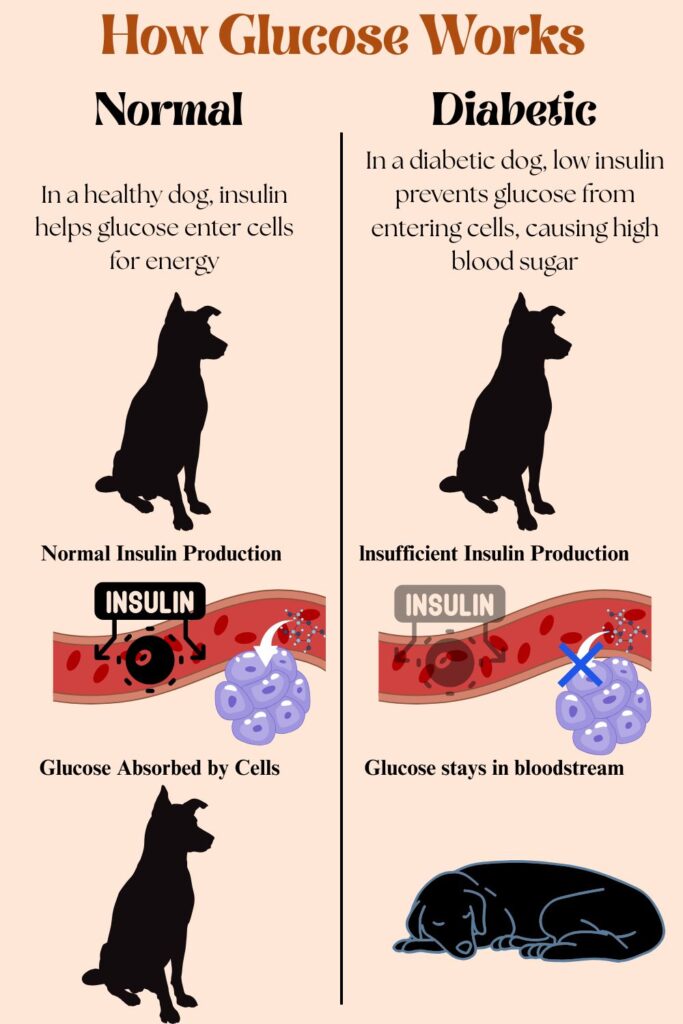
Before we get into dog diabetes symptoms, let’s clarify what canine diabetes actually is. Canine diabetes, also known as diabetes mellitus, happens when a dog’s body can’t properly regulate blood sugar levels due to issues with insulin—a hormone produced by the pancreas. Without enough insulin, glucose builds up in the blood instead of fueling the cells, leading to a host of problems.
Types of dog diabetes
There are two main types: insulin-deficient diabetes (where the pancreas doesn’t produce enough insulin) and insulin-resistant diabetes (where the body doesn’t respond well to insulin). Most dogs deal with the insulin-deficient kind, and it’s often linked to factors like genetics, obesity, or autoimmune issues (American Veterinary Medical Association, 2023). From my time chatting with vets and other dog guardians, I’ve learned that middle-aged to senior dogs are most at risk, but it can hit any age. Statistics show that up to 1% of all dogs may develop diabetes during their lifetime, with females twice as likely as males to be affected.
Think about it like this: Imagine your dog’s body as a car that needs fuel to run. Insulin is the key that unlocks the tank, but in diabetic dogs, that key is missing or faulty. The result? Energy shortages that manifest as dog diabetes symptoms.
Causes of Dog Diabetes
Understanding the root causes of dog diabetes helps you spot risks early and take preventive steps for your furry friend. While every dog is unique, two major factors stand out: autoimmune issues and obesity.
Autoimmune Causes
In most cases, canine diabetes is triggered when the dog’s own immune system mistakenly attacks the insulin-producing cells in the pancreas. This is very similar to Type 1 diabetes in humans and is the most common form seen in dogs. Once those cells are damaged, the pancreas can no longer produce enough insulin. Genetics often play a role here, which is why certain breeds (like Samoyeds, Cairn Terriers, and German Shepherds) show higher risk.
Obesity as a Major Trigger
Extra weight makes a dog’s cells less responsive to the insulin that is produced — a condition called insulin resistance. This is especially common in middle-aged dogs who carry extra pounds. Obesity doesn’t just increase the chance of diabetes; it can speed up the onset of symptoms like excessive thirst, weight loss despite increased hunger, and lethargy.
The American Veterinary Medical Association (2023) confirms that both autoimmune issues and obesity are key contributing factors in the development of canine diabetes.
In my own pack, I’ve seen how keeping Zeus (my Labrador mix) at a healthy weight through daily walks and portion control has helped him stay diabetes-free so far. Delta’s high-energy lifestyle does the same. Small habits really do make a big difference!
Quick Tip: If your dog is overweight or belongs to a breed with known genetic risks, take our new “Does Your Dog Have Diabetes?” quiz right below this section and download the free printable checklist to start tracking symptoms today. Early awareness is the best protection.
Expert Quotes on Dog Diabetes Symptoms
Real vets and specialists confirm what we see every day: early action changes everything. Here are powerful insights from trusted sources:
- “Caught early, with treatment started right away and careful monitoring, many dogs with diabetes live full, active lives.” — Vet from Cornell University College of Veterinary Medicine
- “Dogs who have high levels of phosphate in their blood at the time of diagnosis tend to have a slightly less positive prognosis.” — Cornell expert
- “Maintaining ideal weight can reduce risk by up to 50% in at-risk dogs.” — PDSA (2023)
These quotes remind us why the free checklist and our new quiz are so important — they help you act before symptoms worsen.
Early Signs of Diabetes in Dogs 2025
As we head into 2025, vets are emphasizing proactive screening with at-home glucose monitors and AI-assisted apps for tracking behaviors—tools that weren’t as accessible just a few years ago. Recent 2025 research highlights the role of AI in veterinary diagnostics, such as machine learning algorithms that analyze pet health data to predict diseases like canine diabetes early by detecting subtle patterns in behavior and vital signs. For instance, a March 2025 article on the pet data revolution discusses how AI turns data into actionable insights for early disease prediction. Similarly, a May 2025 overview in DVM360 explores AI’s potential for quicker, smarter blood analysis in vet diagnostics. AI models are now identifying pets at risk for diabetes before clinical signs appear, enabling earlier interventions.
The early signs of diabetes in dogs 2025 haven’t changed fundamentally, but awareness around them has grown, especially with rising obesity rates in pets. Look out for subtle shifts: Your dog might start drinking more water than usual or urinating frequently, even if house-trained. Increased appetite without weight gain is another red flag, as the body tries to compensate for the lack of usable energy. These early dog diabetes symptoms can be easy to dismiss as “just aging,” but they’re worth a vet visit (PetMD, 2023).
In my experience, Delta once went through a phase where he was guzzling water like it was going out of style. At first, I thought it was the heat, but a quick check revealed borderline high glucose. It wasn’t diabetes, but it taught me to never ignore those early signs.
Diabetes in Senior Dogs
Senior dogs, typically those over 7 years old, are particularly vulnerable to canine diabetes, with most diagnoses occurring between 7 and 10 years. Diabetes in senior dogs often overlaps with other age-related issues, making symptoms harder to isolate. Common signs include excessive thirst and urination, but in older pups, you might also notice slower healing wounds, recurrent infections, or even cognitive changes like confusion (Vetster).
Management for diabetes in senior dogs focuses on gentle routines: Lower-impact exercise, senior-specific diets, and close monitoring to avoid complications like cataracts, which affect up to 80% of diabetic dogs. A vet from Cornell notes, “Caught early, with treatment started right away and careful monitoring, many dogs with diabetes live full, active lives.” If your senior dog shows these signs, prioritize a vet check—early intervention can add quality years.
Dog Diabetes Symptoms in Small Breeds
Small breeds like Pugs, Dachshunds, and my cousin Millie’s Toy Poodle seem more prone to canine diabetes, possibly due to their genetics and tendency toward weight gain. Dog diabetes symptoms in small breeds can be trickier to spot because these pups are already energetic and food-motivated (Heart + Paw, 2023).
Watch for excessive thirst that leads to accidents indoors, or a ravenous hunger that has them begging non-stop. Weight loss despite eating well is common, and you might notice a dull coat or skin issues. Small dogs can also develop urinary tract infections more readily as a complication (AKC, 2023).

Millie’s Toy Poodle, for instance, started showing dog diabetes symptoms in small breeds last year—constant peeing and a sudden drop in energy. She caught it early with a vet blood test, and now her little guy is on insulin and doing great. Stories like this remind me how vital it is to tailor our observations to the breed.
How to Spot Diabetes in Large Breeds
Large breeds, such as Labradors like my Zeus or Golden Retrievers, face their own set of challenges with canine diabetes. How to spot diabetes in large breeds often involves noticing changes in their robust appetites and activity levels.
These big guys might show dog diabetes symptoms through rapid weight loss, despite chowing down on their usual meals, or lethargy that makes playtime a chore. Increased urination can lead to bigger messes, and you might see cloudiness in their eyes from developing cataracts—a common issue in larger dogs with uncontrolled sugar levels (MSD Veterinary Manual, 2023).
Silly (my friend’s yellow lab), loves his food, so when he started losing weight unexpectedly a couple of years back, we all panicked. Turned out to be a thyroid issue, but it mirrored dog diabetes symptoms closely. For large breeds, regular weigh-ins and monitoring water intake are game-changers.
Breed-Specific Risks and Statistics
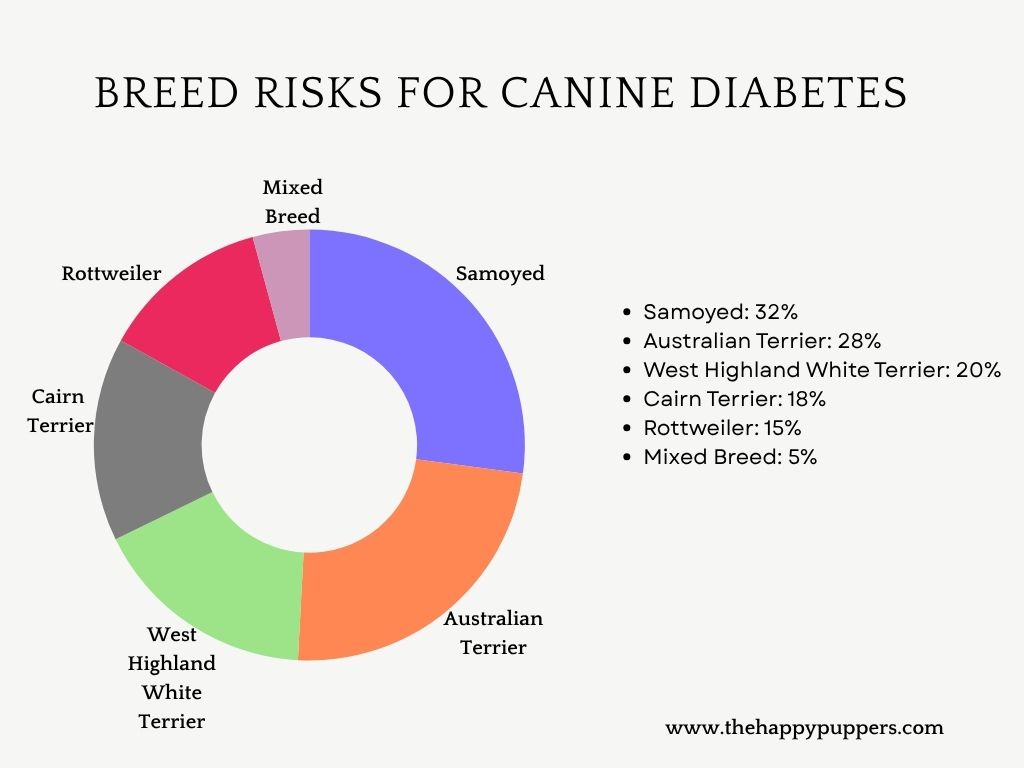
Certain breeds have a higher genetic predisposition to canine diabetes, with statistics showing varied risks. To build on classic sources like the AKC’s focus on genetics, recent 2025 studies provide fresher insights. For example, a March 2025 study on diabetes prevalence in dogs reported higher risks in breeds like Rottweilers (36% prevalence in the sample), German Shepherds (31.7%), Golden Retrievers (31.57%), and Labradors (30.43%), based on a sample of 180 dogs. This aligns with broader patterns but highlights regional or sample-specific variations, with risk factors including obesity, dietary imbalances, and pancreatitis.
Breeds like Samoyeds, Cairn Terriers, and Tibetan Terriers remain predisposed, while Boxers and German Shepherds show lower risks in some UK-based analyses (Northeast Veterinary Referral Hospital, 2022). A 2025 article further notes terriers (Yorkshire, Australian, Tibetan, Cairn) as prone due to genetic factors. Overall, diabetes affects about 1 in 300 dogs, with females twice as likely as males.
As has been mentioned, some breeds are genetically more likely to develop dog diabetes symptoms, so knowing your pup’s risk level helps you stay extra vigilant.
Here’s the latest breed risk breakdown (based on multiple studies):
| Breed | Risk Level | Notes |
|---|---|---|
| Rottweiler | Very High | Up to 36% in recent samples |
| German Shepherd | High | ~31.7% |
| Golden Retriever | High | ~31.57% |
| Labrador Retriever | High | ~30.43% (like my Zeus!) |
| Samoyed | Very High | Classic high-risk breed |
| Miniature Schnauzer | High | Up to 1.5% |
| Pug | Moderate-High | Common in small breeds |
| Tibetan Terrier / Cairn Terrier | High | Genetic predisposition |
| Toy Poodle | Moderate | Like Millie’s pup |
Quick tip from my pack: Zeus (my Lab mix) and Alpha stay lean with daily walks, which dramatically lowers their odds. If your breed is on this list, take our “Does Your Dog Have Diabetes?” quiz right now and download the free checklist to track early signs!
Latest Statistics & Surveys on Dog Diabetes 2026
A 2026 survey of 488 veterinarians across the UK and Europe revealed that most vets diagnose only 2–4 diabetic dogs per year, yet euthanasia at diagnosis is rare — fewer than 1 in 10 dogs are put to sleep in the first few months when owners follow treatment plans.
Key 2026 stats every dog guardian should know:
- Still affects ~1 in 300 dogs lifetime (unchanged from previous years)
- Females are twice as likely to develop it
- Up to 80% of untreated diabetic dogs develop cataracts within 16 months
- Maintaining ideal weight can reduce risk by up to 50%
- Well-managed dogs live a full normal lifespan (10–15 years)
- First-year treatment costs average $2,700 (insulin + monitoring + special diet)
The same 2026 vet survey showed the biggest challenges are owner compliance and other health conditions — exactly why our free printable checklist and quick quiz make such a difference. Track symptoms early and you join the thousands of guardians who keep their pups happy and healthy for years!
Symptoms Comparison: Small vs. Large Breeds
To help visualize differences, here’s a table comparing dog diabetes symptoms in small vs. large breeds:
| Symptom | Small Breeds (e.g., Pug, Toy Poodle) | Large Breeds (e.g., Labrador, Golden Retriever) |
|---|---|---|
| Excessive Thirst/Urination | Common, leads to frequent accidents indoors | Noticeable in larger volumes, bigger messes |
| Increased Hunger | Begging more intensely, despite small portions | Eating ravenously but still losing weight |
| Weight Loss | Subtle at first, but rapid due to small size | More obvious, as they drop pounds quickly |
| Lethargy | Less apparent due to natural energy | Pronounced, reduced play and walks |
| Cataracts/Infections | Skin issues more common | Eye cloudiness and hind leg weakness frequent |
This table highlights how breed size influences how dog diabetes symptoms present—always consult a vet for breed-specific advice.
Common Dog Diabetes Symptoms Across All Breeds
No matter the size or breed, dog diabetes symptoms share core traits. The classic quartet includes polyuria (frequent urination), polydipsia (excessive thirst), polyphagia (increased hunger), and unexplained weight loss (CareCredit, 2023). These stem from the body’s inability to process glucose, leading to dehydration and nutrient loss.
Other dog diabetes symptoms to note: A fruity or acetone-like breath odor, which signals ketoacidosis—a serious complication (Veterinary Medical & Surgical Group, 2021). Vomiting, lethargy, and poor wound healing can also appear. In advanced cases, neuropathy might cause weakness in the hind legs, making your dog wobble or knuckle over.
Up to 80% of diabetic dogs develop cataracts, leading to vision issues. Infections, especially in the urinary tract or skin, are frequent because high sugar levels create a breeding ground for bacteria.
Vomiting as a Dog Diabetes Symptom
Vomiting is a red-flag advanced symptom and often signals diabetic ketoacidosis (DKA) — a dangerous complication. It usually appears with fruity breath, lethargy, and dehydration.
If your dog starts vomiting, contact your vet immediately — this is an emergency. Our checklist helps you catch signs before they reach this stage.
Cloudy Eyes as Dog Diabetes Symptoms
Cloudy eyes (cataracts) affect up to 80% of diabetic dogs within 16 months if untreated. The lens becomes white or bluish, and vision can fade quickly.
Many dogs adapt amazingly well using their other senses. Regular vet checks and blood sugar control are the best prevention.
Classic Vs. Advanced Symptoms
For clarity, here’s a comparison of classic and advanced dog diabetes symptoms:
| Category | Classic Symptoms | Advanced Symptoms/Complications |
|---|---|---|
| Core Signs | Excessive thirst, frequent urination, increased hunger, weight loss | Ketoacidosis (fruity breath, vomiting), seizures, coma |
| Physical Changes | Dull coat, minor dehydration | Cataracts (cloudy eyes), chronic infections, neuropathy (weak legs) |
| Behavioral | Mild lethargy, more begging | Severe weakness, disorientation, collapse |
Early action prevents progression from classic to advanced stages.
Advanced Symptoms and Complications
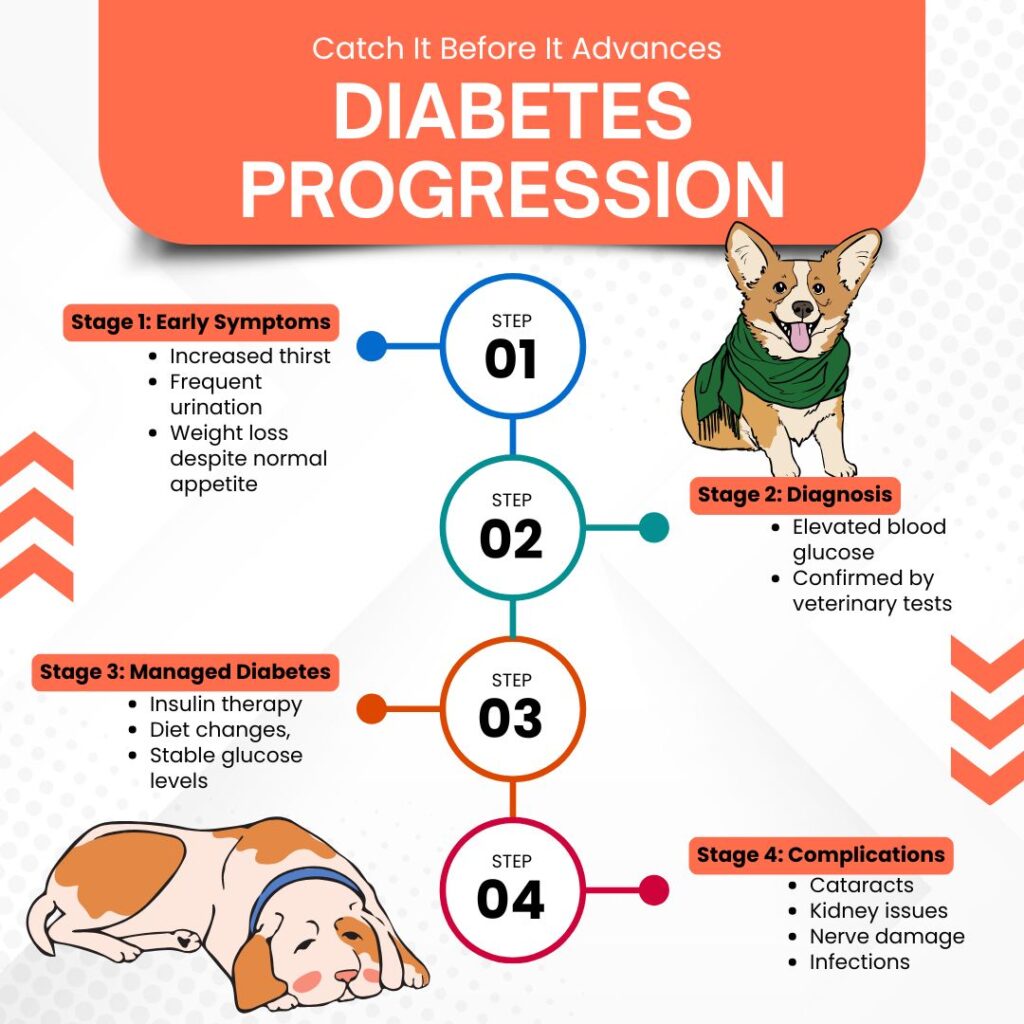
If dog diabetes symptoms go unchecked, things can escalate. Advanced signs include severe dehydration, seizures, and coma from ketoacidosis. Cataracts can lead to blindness, though many dogs adapt remarkably well with their other senses.
Complications like kidney failure, liver enlargement, and chronic infections underscore why early detection is crucial (Blue Cross, 2023). In my chats with readers, I’ve heard heartbreaking stories of dogs reaching this stage because symptoms were mistaken for old age.
A vet from Cornell emphasizes, “Dogs who have high levels of phosphate in their blood at the time of diagnosis tend to have a slightly less positive prognosis,” highlighting the need for thorough testing.
Stories from My Pack and Readers
To make this more relatable, let’s talk real life. Take Alpha—he’s small and feisty, but last summer, he started drinking twice as much water. I monitored him closely, recalling dog diabetes symptoms from my research. A vet visit ruled it out, but it was a wake-up call.
Then there’s a reader who emailed me about their Beagle: “She was always hungry, losing weight, and peeing everywhere.” Turns out, it was canine diabetes. With insulin and diet tweaks, she’s back to her bouncy self.
Millie’s Toy Poodle scenario I mentioned earlier? That hit home. Her pup’s dog diabetes symptoms in small breeds started with subtle thirst, but quick action meant no complications. These stories humanize the stats—diabetes affects about 1 in 300 dogs, but managed well, they live full lives (Sydney Vet Specialists, 2023).
Quick Quiz: Does My Dog Have Diabetes Symptoms? (Takes 60 Seconds)
Worried about your pup? Answer these 5 simple yes/no questions and add up your points. This quick quiz helps you spot early dog diabetes symptoms — then grab our free printable checklist and head to the vet if needed!


What to Do If You Suspect Dog Diabetes?
Time needed: 3 days
A 4-step action plan to identify and address potential canine diabetes symptoms, including monitoring, contacting a vet, preparing for tests, and planning management.
- Monitor Symptoms Closely
For 2–3 days, track your dog’s behavior using a journal or the printable checklist. Note water intake, urination frequency, appetite changes, and energy levels.
- Contact Your Veterinarian
Call your vet as soon as you notice consistent symptoms. Share your observations and request a diabetes screening, which typically involves a blood glucose test and urinalysis.
- Prepare for Diagnostic Tests
Gather details about your dog’s diet, exercise, and recent changes. Fast your dog for 6–8 hours if instructed to ensure accurate blood test results. Expect tests like a fructosamine test or ultrasound.
- Plan for Management
If diagnosed, discuss insulin therapy, dietary changes, and monitoring tools with your vet. Use at-home glucose monitors like AlphaTRAK 3 and establish consistent feeding and exercise routines.
Canine Diabetes Symptoms Checklist
To help you track, I’ve expanded the printable into a comprehensive canine diabetes symptoms checklist. It includes checkboxes for daily monitoring, breed notes, and action steps.
Print this and keep it handy—it’s helped many readers spot issues early.
Symptoms Overlapping with Other Conditions
Dog diabetes symptoms can mimic:
- Cushing’s disease (thirst, pot belly, hair loss)
- Kidney disease (increased urination, weight loss)
- Hypothyroidism (lethargy, weight gain)
- Pancreatitis (vomiting, lethargy)
Only blood and urine tests can tell the difference — that’s why the very first step in our 4-step plan is always “Contact your vet.”
Diagnosis: How Vets Confirm Dog Diabetes Symptoms
If you suspect dog diabetes symptoms, head to the vet pronto. Diagnosis typically involves blood tests for high glucose levels and urine analysis for sugar spillover. A fructosamine test gives a longer-term view of blood sugar control.
Sometimes, an ultrasound checks the pancreas or rules out other issues like Cushing’s disease. It’s straightforward, but catching it early prevents complications (Animal General, 2022).
For at-home tools, consider glucose monitors like the AlphaTRAK 3 or FreeStyle Libre, which are top-rated for 2025 accuracy in pets. Emerging AI integrations, as noted in 2025 research, are enhancing these with predictive analytics.
Managing Diabetes Symptoms: Treatment Options
Managing diabetes symptoms starts with insulin injections—usually twice daily, timed with meals. I know it sounds daunting, but most guardians get the hang of it quickly. Diet plays a huge role: High-fiber, low-fat foods help stabilize blood sugar.
Exercise is key too—consistent walks prevent spikes and dips. Home monitoring with glucose meters or strips keeps things in check (PetMD, 2023). For 2025, look into wearable glucose sensors for pets like the MiniMed iPro2—they’re revolutionizing management. Recent AI-driven insights, inspired by human advancements like those presented at ADA 2025, are being adapted for pets to improve glycemic control through daily CGM data analysis.
New 2025 advancements include synergistic effects of canine FGF-21 combined with insulin, which ameliorate hyperglycemia and oxidative stress. Aerobic exercise has been shown to decrease interstitial glucose concentrations in insulin-treated dogs. Ongoing clinical trials are evaluating new therapies for management, and novel drug treatments provide options for patients at risk of euthanasia due to cost. Strategies for better owner adherence are also highlighted in recent lectures.

Costs add up: Insulin runs $40-$150 monthly, vet visits $50-$150 each, and first-year management averages $2,700 (Boehringer Ingelheim, 2023). But as a Cornell expert says, “A steady state minimizes long-term damage from diabetes to organ systems like the heart, liver and kidneys.”
Dog Diabetes Life Expectancy
The good news? With proper management, most dogs with diabetes live full, happy lives that are very close to the lifespan of healthy dogs the same age and breed.
Many diabetic dogs live 2–5+ years after diagnosis with excellent quality of life, and some reach 10–15 years total (or even longer for smaller breeds). Early detection is the real game-changer — dogs caught in the early stages often do just as well as non-diabetic pups.
Key factors that affect life expectancy:
- How quickly you spot the symptoms (that’s why our free checklist is so powerful)
- Consistent insulin, diet, and exercise routine
- Regular vet monitoring and at-home glucose checks
- No other major health issues
In my own pack, I’ve seen how proactive care keeps things stable. Zeus (my laid-back Labrador mix) stays energetic and playful because we focus on weight control and daily walks. Alpha’s small size means we catch any changes super fast. Stories like these — and the ones readers share with me — prove that diabetes doesn’t have to shorten your bond with your best friend.
A vet from Cornell University College of Veterinary Medicine puts it perfectly: “many dogs with diabetes live full, active lives” when caught early.
Quick action step: Take our “Does Your Dog Have Diabetes?” quiz right now and download the free Canine Diabetes Symptoms Checklist. The sooner you start tracking, the more years you can add to your pup’s happy, tail-wagging life!
Cost Breakdown Table for Managing Dog Diabetes
Here’s a yearly cost breakdown based on 2025 estimates to help you plan:
| Category | Estimated Yearly Cost (Small Breed) | Estimated Yearly Cost (Large Breed) | Notes |
|---|---|---|---|
| Insulin | $360-$960 | $960-$1,800 | $30-$80/month small, $80-$150/month large |
| Syringes/Needles | $100-$200 | $100-$200 | Basic supplies |
| Glucose Monitoring (Meter, Strips) | $200-$500 | $200-$500 | Includes at-home tests |
| Vet Visits & Blood Work | $300-$600 | $300-$600 | 2-4 visits/year |
| Specialty Diet/Food | $300-$600 | $400-$800 | High-fiber options |
| Total | $1,260-$2,860 | $1,960-$4,000 | Averages; varies by location and needs |
These figures can fluctuate, but pet insurance often covers a portion—check policies early.
Prevention: Reducing the Risk of Dog Diabetes Symptoms With Stats and Costs in Mind
While not always preventable, keeping your dog at a healthy weight slashes risks—obesity is a major trigger, contributing to higher rates in predisposed breeds. Spay females to avoid hormone-related issues, as they’re twice as likely to develop it. Regular vet check-ups catch precursors early, with annual blood work costing $100-$200 but potentially saving thousands in treatment.
Breeds at higher risk benefit from proactive screening. Feed balanced meals, encourage daily exercise, and monitor for early weight gain. Prevention stats: Maintaining ideal weight can reduce risk by up to 50% in at-risk dogs (PDSA, 2023). If diabetes hits, ongoing costs like specialty food ($50-100/month) and insulin make prevention practical and wallet-friendly. Recent 2025 guides emphasize diet, exercise, and monitoring for well-regulated lives.
Dog Diabetes Warning Signs for Dog Guardians
As a guardian, you’re the first line of defense. Dog diabetes warning signs for dog guardians include any sudden behavioral shifts: More trips outside, raiding the water bowl, or seeming hungrier yet thinner. Don’t ignore bad breath or cloudy eyes—they’re urgent cues (Indiana Veterinary Medical Association, 2023).
Trust your gut—if something feels off, consult a vet. Early intervention turns potential crises into manageable conditions.
Exploring The Happy Puppers Categories
I’m not just here to help you deal with diabetes in dogs — I’m here to empower you to be the best dog parent possible with holistic pet care insights.
Dog Behavior Hub
Understand your pup’s actions with expert behavior guides
✔️ Stop puppy nipping behavior: Survival guide
✔️ Dog toys importance in developmental stages
✔️ Training Rescue Terriers: A Complete Guide
Dog Health Hub
Learn how health impacts behavior
✔️ Dog teeth discoloration : causes and remedies
✔️ Pup has worms? Puppy deworming guide
✔️ Gum diseases in dogs: the complete guide
Understanding Dog Breeds Hub
Train your pup to curb unwanted habits
✔️ French Bulldog puppies – a complete guide
✔️ Golden Retriever Puppies: Complete Training Guide
✔️ Pocket Pitbull: understanding the breed
Exploring Dog Nutrition Hub
Easily fuel your pup with balanced diets for better behavior
✔️ Bone broth for dogs: dog snack
✔️ Apple Cider Vinegar For Dogs
✔️ Benefits of coconut oil for dogs
Dog Grooming Hub
Transform your pup’s look with gentle, grooming using simple techniques to keep them happy and healthy!
✔️ Petco Grooming: Your Ultimate Guide in 2025
✔️ Flea Collars: Do they really work?
✔️ Dog grooming near me 2025
DIY for dogs
Unleash your creativity with fun and easy DIY projects to delight your furry friend!
✔️ DIY indoor activity course for dogs
✔️ Amazing HOMEMADE dog toys
These categories ensure comprehensive care—browse them for more!
Call to Action: Join the Pack and Stay Informed!
If this guide on dog diabetes symptoms resonated, don’t stop here—subscribe to The Happy Puppers for weekly tips straight to your inbox. And hey, for visual demos on checking symptoms or giving insulin, head over to my YouTube channel, Shruti and Delta. We’ve got videos on everything from breed-specific health to fun training sessions. Drop a comment there: What’s your biggest worry about dog health? Let’s chat and keep our pups happy and healthy together!

Frequently Asked Questions
For emergencies like hyperglycemia, contact your vet immediately—don’t DIY. They might advise insulin adjustments or fluids. At home, encourage light exercise if stable, but avoid if ketoacidosis is suspected. Prevention is better: Stick to routines to avoid spikes. If low (hypoglycemia), rub corn syrup on gums and seek urgent care.
With proper management, most diabetic dogs live a full, normal lifespan (10–15 years). Early detection makes all the difference — as Cornell vets say, “many dogs with diabetes live full, active lives.”
High-fiber, low-fat prescription diets like Hill’s w/d or Royal Canin Glycobalance are best for stabilizing blood sugar. Skip high-sugar treats and table scraps; choose low-glycemic snacks like green beans or carrots. Feed consistent portions timed with insulin. Complex-carb diets improve control in 70% of dogs (Veterinary Practice News, 2025). Always consult your vet.
No, canine diabetes cannot be cured in most cases (it’s usually insulin-deficient, like Type 1). However, with insulin, high-fiber diet, and exercise, most dogs live full, happy lives. In rare insulin-resistant cases, weight loss may reduce symptoms. Always consult your vet for a tailored plan.
No, dog diabetes cannot be reversed or cured in most cases (it’s usually insulin-deficient, like Type 1). However, with early detection, insulin, diet, and exercise, many dogs live full, happy lives with excellent quality of life. Always consult your vet for a tailored plan.
Monthly costs typically run $40–$150 for insulin + $50–$100 for prescription food and monitoring supplies. First-year totals often reach $2,700 (including vet visits). Pet insurance can help — talk to your vet early to keep expenses manageable.
About the Author
Dr. Shruti Bhattacharya is the founder and guiding force behind The Happy Puppers, combining a Ph.D. in Immunology with decades of direct canine care experience. Her passion for the well-being of dogs has taken many forms:
- Academic & Scientific Rigor – Dr. Shruti applies a science-based approach to pet care, enriched by her training in immunology.
- Hands-On Street Work – Over the past 10+ years, she has personally cared for 30+ street dogs, tending to their health, training, and rehabilitation, even as she relocated and continued caregiving with 15 dogs, and currently supports 5 local neighborhood dogs outside her apartment.
- Instinctual Bond with Dogs – From stray pups to fostered companions, even strangers recognize her as a safe and trusted friend to dogs—drawn to her calm presence and empathy.
- Personal Pack – She’s the proud canine mom of Delta, a German Shepherd–Pitbull mix; Zeus, an energetic Labrador mix; and Alpha, a curious Indian pariah pup—each inspiring her mission through their daily lives.
Through The Happy Puppers, Dr. Shruti shares science-backed advice, empathetic insight, and evidence-based tips designed to empower dog guardians worldwide. The purpose of this is to blend real-world experience with academic expertise, helping every dog feel safe, loved, and thriving.
Learn More…
🏆 The Happy Puppers was named one of the Top 100 Best Pet blogs on Feedspot in 2025.

Disclaimer
This content is for informational purposes only and not a substitute for professional veterinary or grooming advice. Consult a veterinarian for specific dietary concerns.
References
- PetMD, 2023. 10 Symptoms of Diabetes in Dogs
- American Veterinary Medical Association, 2023. Diabetes in pets
- AKC, 2023. Diabetes in Dogs: Symptoms, Causes, Diagnosis, & Treatment.
- MSD Veterinary Manual, 2023. Diabetes Mellitus in Dogs and Cats.
- Veterinary Medical & Surgical Group, 2021. Dog Diabetes Symptoms.
- Cornell University College of Veterinary Medicine, 2023. Managing Canine Diabetes ().
- Blue Cross, 2023. Diabetes in Dogs.
- Sydney Vet Specialists, 2023. Diabetes Mellitus in Dogs.
- Animal General, 2022. Diabetes in Dogs: The Most Common Symptoms.
- PetMD, 2023. Signs a Dog With Diabetes Is Dying.
- Boehringer Ingelheim, 2023. Diabetes in Dogs: Symptoms & Chronic Disease Management.
- Vetster, 2023. Dog Owner’s Guide to Diabetes in Senior Dogs.
- Indiana Veterinary Medical Association, 2023. Understanding Pet Diabetes: Signs, Symptoms and What to Do.
- PDSA, 2023. Diabetes in Dogs.
- CareCredit, 2023. Dog Diabetes Symptoms.
- Heart + Paw, 2023. Signs and Symptoms of Diabetes in a Dog.
- Northeast Veterinary Referral Hospital, 2022. Diabetes in Dogs.
