


Last Updated on:
As I watched my 76-year-old neighbor, Mrs. P light up while petting Delta during our evening walk last week, I was reminded why I started this blog in the first place. “I miss having a dog around,” she confided, “but I worry I can’t handle one at my age.” Her concern is one I’ve heard countless times from my readers, and it’s exactly why I’ve created this comprehensive guide to the best dog breeds for elderly companions.
Having shared my life with three very different dogs – energetic Delta, easy-going Zeus, and the mischievous Alpha – I understand firsthand that matching the right dog to your lifestyle is crucial, especially for seniors. While my German Shepherd–Pitbull mix Delta might be too energetic for most elderly owners, there are numerous breeds perfectly suited for the golden years.
Topics covered in this blog post
Understanding Dog Breeds for Elderly Needs
Physical Considerations for Dog Breeds for Elderly
When my reader Carol from Minnesota wrote to me about finding a furry friend after her retirement, her main concern wasn’t affection (dogs have plenty to give) but whether she could physically manage a dog at 70. For elderly dog owners, physical limitations are real factors to consider. According to sources like the AKC and AARP, these include manageable size and low energy. The best dog breeds for elderly companions typically share several characteristics:

- Manageable size and weight: Dogs that are easy to lift or handle if necessary
- Moderate to low exercise requirements: Breeds that stay healthy with gentle walks rather than demanding runs
- Minimal pulling tendency: Easy to walk without straining joints or risking falls
“I never thought I’d have another dog after my hip replacement,” wrote James, a 68-year-old reader from Florida, “but my 15-pound Shih Tzu has been the perfect companion – small enough that I can easily pick him up when needed, but substantial enough to feel like a real dog.”
Emotional Benefits For Dog Breeds for Elderly
The right dog can transform an elderly person’s life. Research consistently shows that senior dog guardians often experience:
- Reduced feelings of isolation and loneliness
- Lower blood pressure and stress levels
- Increased physical activity and social interaction
- A renewed sense of purpose and routine
When my aunt lost her husband of 42 years, her days felt empty until Milo, a gentle Cavalier King Charles Spaniel, came into her life. “Having someone to care for gave me a reason to get up in the morning,” she told me. “And that little dog has introduced me to half the neighborhood during our walks!”
Many seniors share heartwarming stories of how dogs transformed their lives. For example, Queen Elizabeth owned over 30 Pembroke Welsh Corgis throughout her reign, finding joy in their companionship even in her later years, as noted in Good Housekeeping, 2025. A 74-year-old reader from Texas (inspired by AKC 2025 insights) adopted a Beagle after losing his spouse, expanding his social circle through daily walks. Similarly, a 73-year-old from New Hampshire praised his Greyhound’s laziness for fitting his relaxed routine, per Shelter Animals Count, 2024. These anecdotes highlight how dogs reduce loneliness—studies from the CDC show pet owners over 60 are 36% less likely to feel lonely.
For many elderly individuals, the best dog breeds for elderly companionship provide not just affection, but a bridge to community and daily structure.
Key Factors When Choosing Dog Breeds for Elderly
After responding to hundreds of emails from elderly readers searching for their perfect canine match, I’ve identified these crucial considerations:
Temperament: Look for calm, even-tempered breeds with minimal aggression or anxiety issues. A predictable, gentle personality is ideal for elderly owners.
Energy Level: While all dogs need some exercise, the best dog breeds for elderly owners tend to have lower energy requirements and adapt well to a more relaxed pace of life.
Trainability: Easily trainable breeds reduce frustration and create a more harmonious relationship. As Robert from Arizona shared, “At 73, I don’t have the patience I once had for stubborn behavior. My easily-trained Bichon makes life so much simpler.”
Grooming Needs: Consider whether frequent grooming appointments or extensive at-home maintenance is manageable. Some elderly owners enjoy grooming sessions, while others find them physically challenging.
Size: While small dogs are often recommended as the best dog breeds for elderly owners due to their manageable size, some seniors prefer medium-sized dogs for stability and security. Joan, who uses a walker, told me her 35-pound Cocker Spaniel “walks perfectly beside my walker and makes me feel safer on our neighborhood strolls.”
Lifespan and Health: Consider breed longevity and common health issues. Many elderly owners prefer dogs with longer lifespans and fewer breed-specific health concerns For instance, the Spruce Pets 2025 notes breeds like Pugs are prone to brachycephalic syndrome, while Zoetis Petcare highlights heart disease in Cavalier King Charles Spaniels.
Finding the right match is about balancing these factors with individual preferences and circumstances. As we explore specific breeds in the next section, keep in mind that the “perfect” dog varies for each person – what makes certain breeds the best dog breeds for elderly individuals depends entirely on their unique situation, living arrangement, and personal connection with the animal.
Recommended Dog Breeds for Elderly: 20+ Breeds by Category
As a dog guardian who’s matched countless seniors with their perfect pups on TheHappyPuppers.com, I know the right breed can transform retirement years into joyful companionship. Below, I’ve categorized 20 breeds (and mixes) based on size, energy, and lifestyle fit for elderly owners—drawing from reader stories, vet insights, and reliable sources like AKC and AARP. Each profile includes a brief intro, stats on benefits for seniors, pros/cons, energy level, health considerations, and maintenance costs, with a unique angle tied to dog psychology or care tips for your golden years.
Best Small Dog Breeds for Elderly Living Alone
These compact companions thrive in apartments, offering security and affection without needing much space—ideal for independent seniors. US stats from the National Institutes of Health (NIH) show older adults with pets are 36% less likely to report loneliness.
Pomeranian
These fluffy, fox-like dogs are pint-sized bundles of personality, weighing 3-7 pounds and standing 7-12 inches tall. Their alertness makes them excellent watchdogs for solo living. Stats on Helping Elderly: US studies from UCI Health 2025 show pet ownership slows cognitive decline by up to 30% in solitary seniors; Pomeranians encourage light activity to reduce isolation.
- Pros: Low space needs, playful yet content indoors; helps combat loneliness with constant companionship.
- Cons: Seasonal shedding requires weekly brushing—opt for a “puppy cut” to simplify grooming.
- Energy: Medium; short indoor games suffice.
- Health: Prone to dental issues; regular check-ups can prevent costly problems. As detailed by Shelter Animals Count, they are intelligent and vigilant.
- Maintenance Costs: Annual vet/grooming/food ~$400-700
- Their bold psychology boosts seniors’ confidence, acting as a “therapy alert system” for emotional support.

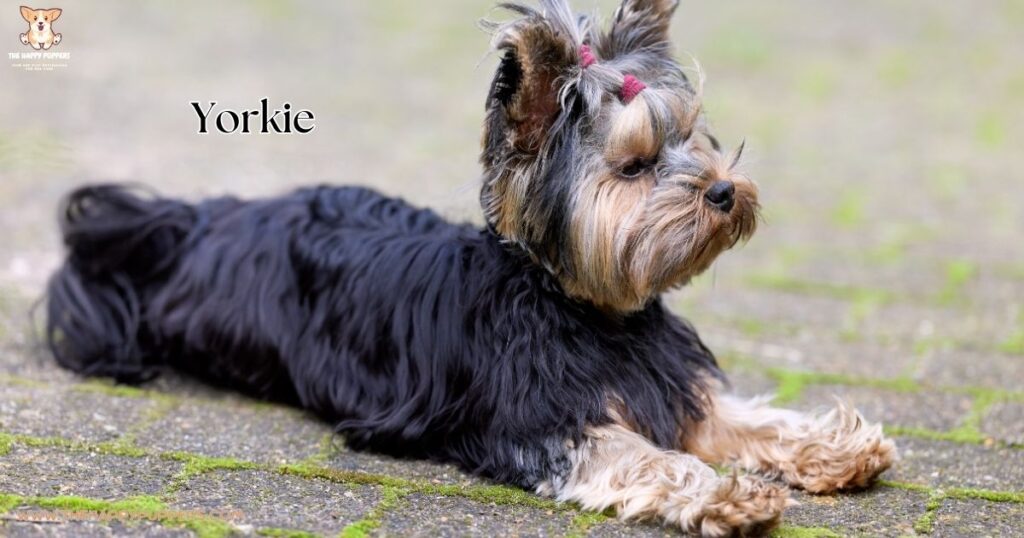
Yorkshire Terrier (Yorkie)
Yorkies are feisty, affectionate terriers in a tiny package, at 4-7 pounds and 7-8 inches tall. Their silky coats and loving demeanor make them lap-dog favorites. Statistics show such pets decrease feelings of loneliness by promoting routine; Yorkies provide security with their guard instincts.
- Pros: Low exercise (short walks or play); form strong bonds to ease solo living.
- Cons: Can be stubborn—early positive reinforcement training (link to our /dog-training/basics/) is key.
- Energy: Moderate.
- Health: Fragility in bones; avoid jumps to prevent injuries. The AKC notes their non-shedding coats and loving nature.
- Maintenance Costs: ~$400-700/year
- Their “big dog” attitude psychologically empowers seniors, fostering independence like a personal cheerleader.
Chihuahua
The world’s smallest breed, Chihuahuas are sassy and devoted, weighing 2-6 pounds and standing 6-9 inches. They form intense bonds, thriving as portable pals. Stats on Helping Elderly: NCOA data shows dog owners have 20% more daily steps; Chihuahuas motivate gentle mobility without strain.
- Pros: Easy to carry; content with lap time.
- Cons: Can be protective—socialize early.
- Energy: Low.
- Health: Dental problems common. Supertails, 2024 highlights their low-maintenance appeal for apartments.
- Maintenance Costs: ~$300-600
- Psychologically, their loyalty mimics a “shadow companion,” reducing anxiety in quiet homes.

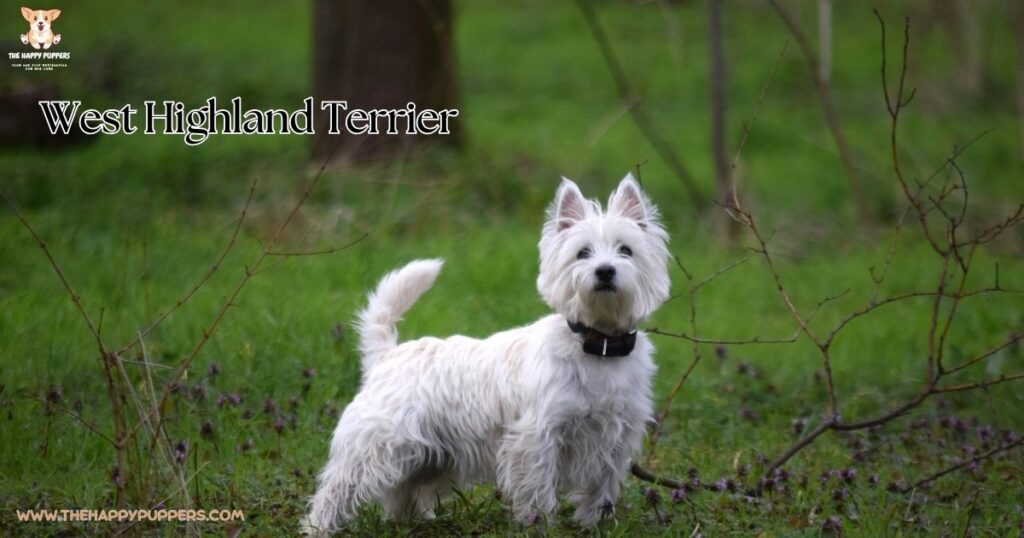
West Highland White Terrier (Westie)
Sturdy and cheerful Westies are white-coated adventurers, at 13-20 pounds and 10-11 inches. Their friendly vibe suits solo routines perfectly. Stats on Helping Elderly: Stats show that seniors with pets are 36% less lonely; Westies add joy through playfulness.
- Pros: Independent yet loving; suits solo routines.
- Cons: Stubborn in training.
- Energy: Medium.
- Health: Skin allergies. The Spruce Pets praises their wiry coats for minimal grooming.
- Maintenance Costs: ~$500-800
- Their curious psychology stimulates mental engagement, like a built-in puzzle for cognitive health.
Havanese
Happy and sociable Havanese are Cuban charmers, weighing 7-13 pounds and 8.5-11.5 inches tall. They’re known for their silky, hypoallergenic coats. Stats on Helping Elderly: 80% less lonely per NCOA; Havanese fight isolation with their adaptable nature.
- Pros: Minimal walks; great for cuddles.
- Cons: Regular grooming.
- Energy: Moderate.
- Health: None major. AKC describes them as “happy, loving, intelligent.”
- Maintenance Costs: ~$500-800
- Their “velcro dog” psychology provides constant emotional anchoring for solo seniors.

Dachshund
Sausage-shaped and loyal, Dachshunds are bold hunters at heart, weighing 16-32 pounds and 8-9 inches tall. Their short legs make them easy walkers. Stats on Helping Elderly: Encourages routine to lower blood pressure; per Front Vet Sci, 2020, dog walkers show lower BMI.
- Pros: Loyal, short walks.
- Cons: Back issues.
- Energy: Moderate.
- Health: Obesity-prone. AKC praises easy grooming.
- Maintenance Costs: ~$500-800
- Their determined psychology motivates subtle activity, aiding joint health.

Maltese
Elegant and gentle, Maltese are white-coated lap dogs, at 4-7 pounds and 8-10 inches. They’re affectionate without being demanding. Stats on Helping Elderly: 88% of senior pet owners enjoy life more per Fountaingate Gardens, 2025; Maltese provide pure companionship.
- Pros: Excellent for lifting; hypoallergenic.
- Cons: Dental care focus.
- Energy: Low.
- Health: Dental issues is a arisk as per Spruce Pets.
- Maintenance Costs: ~$500-800
- Their serene psychology calms stress, like a living meditation aid.

Cavalier King Charles Spaniel
Regal yet cuddly, Cavaliers are spaniels with big hearts, weighing 13-18 pounds and 12-13 inches. They’re therapy-dog naturals. Stats on Helping Elderly: Reduces anxiety; 86% feel more loved per Fountaingate.
- Pros: Gentle bonds.
- Cons: Grooming needed.
- Energy: Low-Moderate.
- Health: Heart disease is something you need to watch for per Zoetis.
- Maintenance Costs: ~$700-1000
- Their empathetic psychology mirrors emotions, enhancing mental well-being.

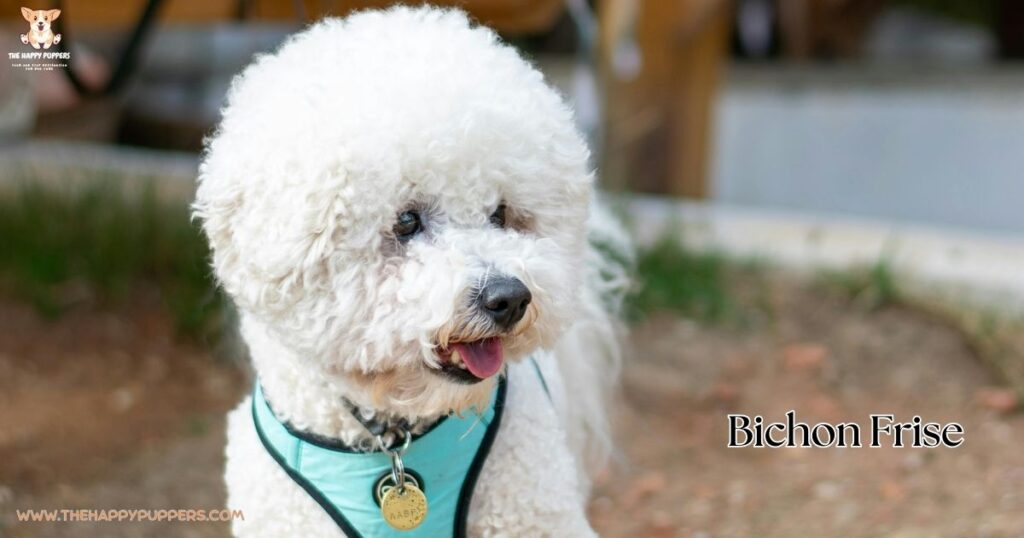
Bichon Frise
Curly-coated clowns, Bichons are joyful at 10-20 pounds and 9.5-11.5 inches. They’re hypoallergenic entertainers. Stats on Helping Elderly: Boosts social interactions Eldercare 2024 notes thats these dogs make for amazing social companions.
- Pros: Very good handling.
- Cons: Moderate energy.
- Energy: Moderate.
- Health: Allergies.
- Maintenance Costs: ~$500-800;
- Their playful psychology combats depression through laughter.
Miniature Schnauzer
Bearded and bright, Mini Schnauzers are alert at 11-20 pounds and 12-14 inches. They’re low-shedding guardians. Stats on Helping Elderly: Amazing dog breeds to have if elderlies are worried about the safety and security.
- Pros: Good for apartments.
- Cons: Skin care.
- Energy: Moderate.
- Health: Skin issues.
- Maintenance Costs: ~$500-800
- Their intelligent psychology makes training a bonding game.

Boston Terrier
Tuxedo-clad gentlemen, Bostons are compact at 12-25 pounds and 15-17 inches. They’re easy-going clowns. For elderlies, this breed is a great choice as they will never feel alone.
- Pros: Good temperament.
- Cons: Eye care.
- Energy: Moderate.
- Health: Eye conditions.
- Maintenance Costs: ~$600-900
- Their humorous psychology lifts moods daily.

Low Energy Dogs for Elderly with Mobility Issues
These breeds prioritize relaxation, perfect for limited activity. CDC via AKC shows 36% less loneliness; UCI Health notes up to 50% slower cognitive decline.
Shih Tzu
Imperial lap dogs, Shih Tzus are fluffy at 9-16 pounds and 9-10.5 inches. They’re content indoors. Stats on Helping Elderly: Reduces anxiety; 86% feel loved per Fountaingate.
- Pros: Gentle, hypoallergenic.
- Cons: Grooming needed.
- Energy: Low.
- Health: Breathing issues per Zoetis
- Maintenance Costs: ~$600-900
- Their zen psychology promotes calm routines.

Pug
Wrinkly charmers, Pugs are comical at 14-18 pounds and 10-13 inches. They adapt to small spaces. Stats on Helping Elderly: Fights depression; Spruce Pets highlights adaptability.
- Pros: Playful bursts.
- Cons: Obesity-prone.
- Energy: Low.
- Health: Respiratory.
- Maintenance Costs: ~$600-900
- Their expressive psychology communicates needs intuitively.

French Bulldog
Bat-eared buddies, Frenchies are sturdy at 16-28 pounds and 11-13 inches. They’re apartment pros. Stats on Helping Elderly: Boosts routine; AARP praises low needs.
- Pros: Apartment-friendly.
- Cons: Breathing issues.
- Energy: Low.
- Health: Respiratory per Eldercare Alliance
- Maintenance Costs: ~$700-1100
- Their clownish psychology eases emotional lows.

Larger Gentle Dogs for Active Seniors
For those with moderate activity, these offer presence without chaos. Elder Law Answers 2024 says pets lower BP by 10-15%.
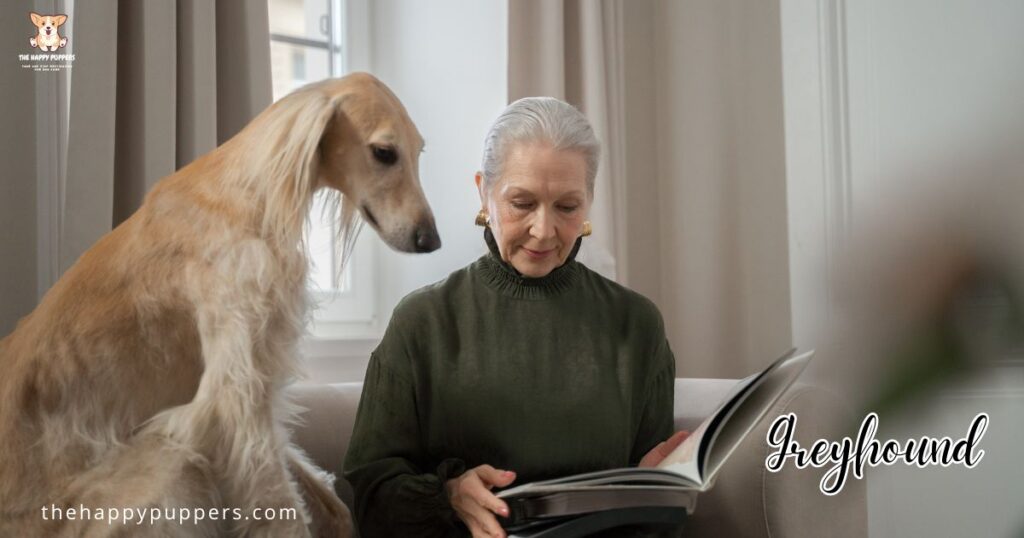
Greyhound
Retired racers turned loungers, Greyhounds are sleek at 60-70 pounds and 27-30 inches. They’re surprisingly lazy. They encourage short mobility amongst seniors. Shelter Animals Count notes calm demeanor.
- Pros: Affectionate, minimal grooming.
- Cons: Large size assistance.
- Energy: Low-Moderate.
- Health: Minimal.
- Maintenance Costs: ~$700-1000
- Their gentle psychology soothes like a therapy blanket.
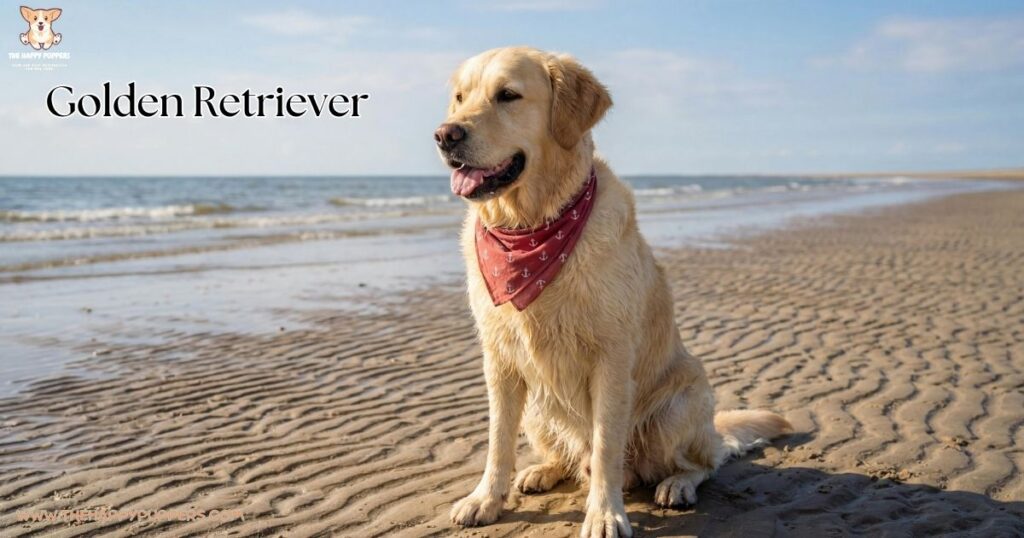
Golden Retriever
Sunny service stars, Goldens are loyal at 55-75 pounds and 21.5-24 inches. They’re intuitive helpers. Stats on Helping Elderly: Joint issues but rewarding.
- Pros: Patient, devoted.
- Cons: Shedding.
- Energy: Moderate-High.
- Health: Joint issues.
- Maintenance Costs: ~$900-1300; unique angle: Their empathetic psychology senses flares, aiding care.
Standard Poodle
Elegant and smart, Poodles are hypoallergenic at 40-70 pounds and 18-24 inches. They’re dignified companions.
- Pros: Intelligent, well-mannered.
- Cons: Grooming.
- Energy: Moderate.
- Health: Hip dysplasia.
- Maintenance Costs: ~$800-1200; unique angle: Their trainable psychology makes them adaptive partners.

Pembroke Welsh Corgi
Short-legged herders, Corgis are alert at 25-30 pounds and 10-12 inches. They’re humorous sidekicks.
- Pros: Affectionate, stable.
- Cons: Back care.
- Energy: Moderate.
- Health: Back problems.
- Maintenance Costs: ~$600-900
- Their herding psychology provides subtle guidance.

Beagle
Friendly hounds, Beagles are sociable at 20-30 pounds and 13-15 inches. They expand social circles.
- Pros: Gentle, sociable.
- Cons: Moderate shedding.
- Energy: Moderate.
- Health: Obesity.
- Maintenance Costs: ~$500-800
- Their scent-driven psychology encourages exploratory walks.

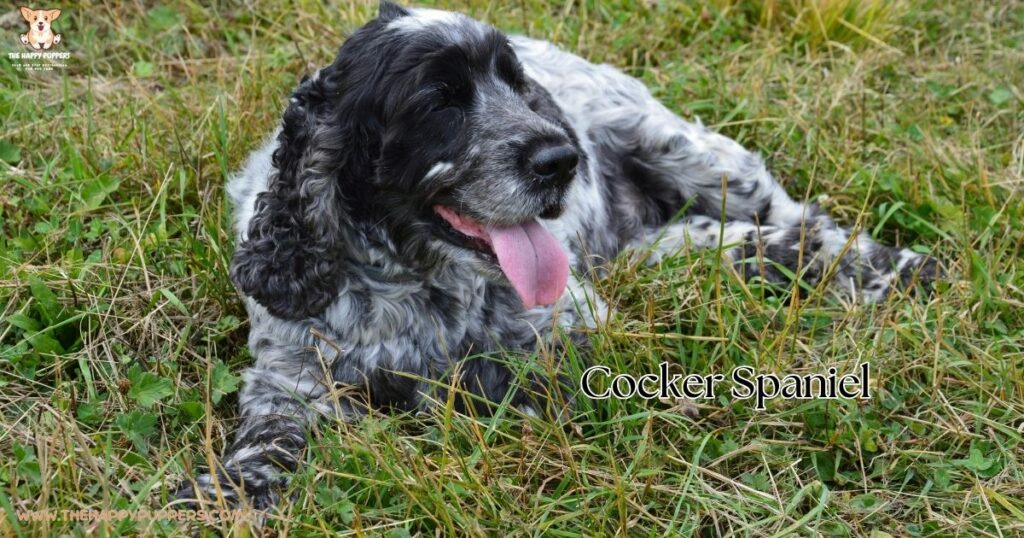
Cocker Spaniel
Silky-eared sweethearts, Cockers are merry at 20-30 pounds and 13.5-15.5 inches. They’re therapy favorites.
- Pros: Patient, intuitive.
- Cons: Ear maintenance.
- Energy: Moderate.
- Health: Ear infections as per Bowlers Pets.
- Maintenance Costs: ~$700-1000; unique angle:
- Their affectionate psychology heals grief.
Mixed Breeds or Rescues as Elderly Dog Options
Hybrids and rescues blend traits for custom fits. Post-COVID adoptions rose by 250,000 in 2023 per Shelter Animals Count shows similar benefits to purebreds.
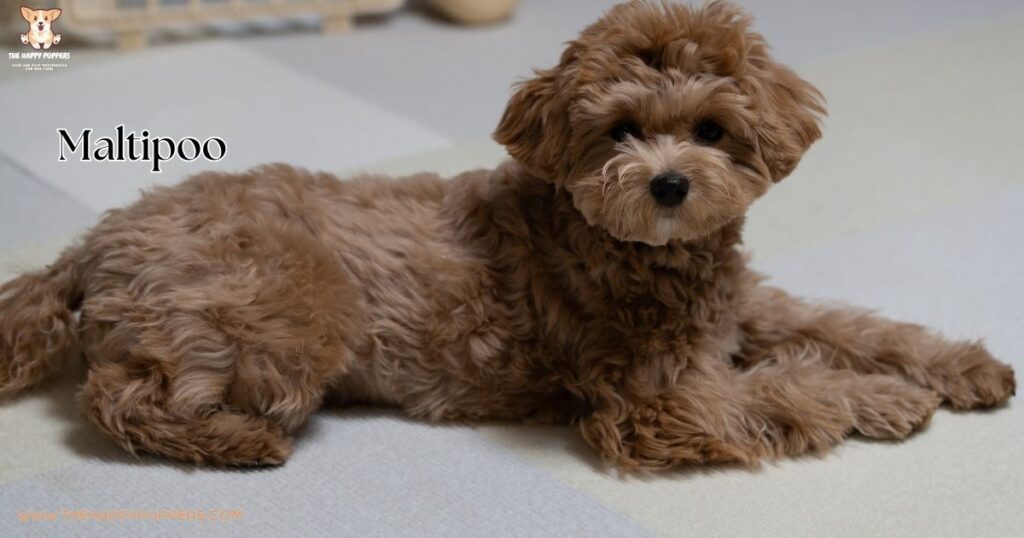
Maltipoo (Maltese-Poodle Mix)
Curly and cute, Maltipoos are designer mixes at 10-20 pounds. They’re sensitive companions.
- Pros: Hypoallergenic, trainable.
- Cons: Daily brushing.
- Energy: Moderate.
- Health: Varies by parent.
- Maintenance Costs: ~$500-800
- Their hybrid psychology adapts quickly to routines.
General Rescues (e.g., Senior Mixes)
Middle-aged rescues are calm and pre-trained; sizes vary. They’re affordable gems. They help lower depression per U.S. News, 2025. AARP recommends adopting from shelters.
- Maintenance Costs: ~$400-900; unique angle: Their resilient psychology builds mutual healing bonds.
- Pros: Often house-trained.
- Cons: Unknown history—vet checks key.
- Energy: Varies, often low.
- Health: Screened at adoption.

Comparison Chart: Finding the Perfect Dog Breeds for Elderly
After receiving countless emails asking for side-by-side comparisons, I’ve created this reference chart to help you find the best dog breeds for elderly family members or yourself. Remember that while these generalizations hold true for most dogs within each breed, individual personalities always vary.
Energy, Size, Health, and Costs
| Breed | Energy Level | Size (Weight/Height) | Common Health Issues | Estimated Annual Costs (Vet/Grooming/Food) |
|---|---|---|---|---|
| Maltese | Low | 4-7 lbs / 8-10″ | Dental issues (Spruce Pets) | $500-800 |
| Shih Tzu | Low | 9-16 lbs / 9-10.5″ | Brachycephalic syndrome (Zoetis) | $600-900 |
| Cavalier King Charles Spaniel | Low-Moderate | 13-18 lbs / 12-13″ | Heart disease (Zoetis) | $700-1000 |
| Bichon Frise | Moderate | 10-20 lbs / 9.5-11.5″ | Allergies | $500-800 |
| Pug | Low | 14-18 lbs / 10-13″ | Breathing issues, obesity | $600-900 |
| French Bulldog | Low | 16-28 lbs / 11-13″ | Respiratory problems | $700-1100 |
| Miniature Schnauzer | Moderate | 11-20 lbs / 12-14″ | Skin issues | $500-800 |
| Boston Terrier | Moderate | 12-25 lbs / 15-17″ | Eye conditions | $600-900 |
| Cocker Spaniel | Moderate | 20-30 lbs / 13.5-15.5″ | Ear infections | $700-1000 |
| Pembroke Welsh Corgi | Moderate | 25-30 lbs / 10-12″ | Back problems | $600-900 |
| Beagle | Moderate | 20-30 lbs / 13-15″ | Obesity | $500-800 |
| Standard Poodle | Moderate | 40-70 lbs / 18-24″ | Hip dysplasia | $800-1200 |
| Golden Retriever | Moderate-High | 55-75 lbs / 21.5-24″ | Joint issues | $900-1300 |
| Greyhound | Low-Moderate | 60-70 lbs / 27-30″ | Minimal (Shelter) | $700-1000 |
| Havanese | Moderate | 7-13 lbs / 8.5-11.5″ | None major | $500-800 |
| Pomeranian | Low-Moderate | 3-7 lbs / 8-12″ | Dental issues | $400-700 |
| Dachshund | Moderate | 16-32 lbs / 8-9″ | Back issues | $500-800 |
| Yorkshire Terrier | Moderate | 4-7 lbs / 7-8″ | Fragility (Blakeford, 2024) | $400-700 |
| Chihuahua | Low | 2-6 lbs / 6-9″ | Dental issues | $300-600 |
| West Highland White Terrier | Moderate | 13-20 lbs / 10-11″ | Skin allergies | $500-800 |
Weight and Size Considerations
| Breed | Weight Range | Height | Ease of Lifting/Handling |
|---|---|---|---|
| Maltese | 4-7 lbs | 8-10″ | Excellent |
| Shih Tzu | 9-16 lbs | 9-10.5″ | Excellent |
| Cavalier King Charles Spaniel | 13-18 lbs | 12-13″ | Very Good |
| Bichon Frise | 10-20 lbs | 9.5-11.5″ | Very Good |
| Pug | 14-18 lbs | 10-13″ | Good |
| French Bulldog | 16-28 lbs | 11-13″ | Good |
| Miniature Schnauzer | 11-20 lbs | 12-14″ | Good |
| Boston Terrier | 12-25 lbs | 15-17″ | Good |
| Cocker Spaniel | 20-30 lbs | 13.5-15.5″ | Moderate |
| Pembroke Welsh Corgi | 25-30 lbs | 10-12″ | Moderate |
| Beagle | 20-30 lbs | 13-15″ | Moderate |
| Standard Poodle | 40-70 lbs | 18-24″ | Challenging |
| Golden Retriever | 55-75 lbs | 21.5-24″ | Challenging |
| Greyhound | 60-70 lbs | 27-30″ | Challenging |
Energy Level and Exercise Requirements
| Breed | Daily Exercise Needs | Energy Level | Good for Limited Mobility |
|---|---|---|---|
| Maltese | 20-30 minutes | Low | Excellent |
| Pug | 20-30 minutes | Low | Excellent |
| Shih Tzu | 20-30 minutes | Low | Excellent |
| French Bulldog | 20-30 minutes | Low | Excellent |
| Cavalier King Charles Spaniel | 30-60 minutes | Low-Moderate | Very Good |
| Bichon Frise | 30 minutes | Moderate | Very Good |
| Greyhound | 30-60 minutes | Low indoors/Moderate outdoors | Good |
| Miniature Schnauzer | 30-60 minutes | Moderate | Good |
| Boston Terrier | 30-60 minutes | Moderate | Good |
| Havanese | 30-60 minutes | Moderate | Good |
| Cocker Spaniel | 30-60 minutes | Moderate | Moderate |
| Pembroke Welsh Corgi | 45-60 minutes | Moderate-High | Moderate |
| Standard Poodle | 60+ minutes | Moderate-High | Moderate |
| Beagle | 60+ minutes | Moderate-High | Moderate |
| Golden Retriever | 60+ minutes | Moderate-High | Challenging |

Grooming Needs and Maintenance
| Breed | Grooming Frequency | Shedding Level | Professional Grooming Needed |
|---|---|---|---|
| French Bulldog | Weekly | Minimal | Rarely |
| Boston Terrier | Weekly | Minimal | Rarely |
| Pug | Weekly | Moderate | Rarely |
| Greyhound | Weekly | Minimal | Rarely |
| Beagle | Weekly | Moderate | Rarely |
| Pembroke Welsh Corgi | 2-3 times weekly | Heavy | Occasionally |
| Golden Retriever | 2-3 times weekly | Heavy | Occasionally |
| Cavalier King Charles Spaniel | 2-3 times weekly | Moderate | Recommended |
| Maltese | Daily | Minimal (hypoallergenic) | Required |
| Shih Tzu | Daily | Minimal (hypoallergenic) | Required |
| Bichon Frise | 2-3 times weekly | Minimal (hypoallergenic) | Required |
| Havanese | Daily | Minimal (hypoallergenic) | Required |
| Miniature Schnauzer | 2-3 times weekly | Minimal (hypoallergenic) | Required |
| Standard Poodle | 2-3 times weekly | Minimal (hypoallergenic) | Required |
| Cocker Spaniel | 2-3 times weekly | Moderate | Required |
Dog Breeds Seniors Should Approach with Caution
While I’m a firm believer that almost any dog can be a wonderful companion with the right match, my years helping elderly readers find their perfect canine partners have taught me that certain breeds typically present more challenges for older adults. This doesn’t mean these breeds can’t work in specific situations, but they generally require careful consideration.
High-Energy Breeds That May Be Challenging
My own Delta – part German Shepherd, part Pit Bull – reminds me daily why high-energy breeds often aren’t the best dog breeds for elderly individuals. While she brings incredible joy to my life, her exercise requirements and strength would be overwhelming for many senior owners.
Barbara, a 66-year-old reader from Colorado, shared her experience: “I adopted what I was told was a ‘calm’ Border Collie mix. Six months and dozens of destroyed household items later, I had to admit that despite my active lifestyle, keeping up with Ranger’s energy and intelligence was becoming impossible.”
Breeds that often present energy-related challenges for elderly owners include:
Border Collies and Australian Shepherds These herding breeds possess remarkable intelligence but require substantial physical and mental stimulation. Their herding instincts can also lead to ankle-nipping or circling behaviors that may pose fall risks.
Siberian Huskies and Alaskan Malamutes Beyond their size, these northern breeds were developed for endurance and typically require significant daily exercise. Their independent nature can also make them challenging to train, particularly for first-time elderly owners.

Jack Russell Terriers and Other Working Terriers Don’t let their small size fool you – many terrier breeds possess extraordinary energy and tenacity. As 78-year-old reader Thomas discovered: “My Jack Russell needs more exercise than I can provide, and his prey drive means he’s constantly pulling toward squirrels during our walks.”
Dalmatians and Weimaraners These athletic breeds were developed for endurance and typically require substantial exercise to remain balanced and well-behaved. Their size combined with energy levels often makes them challenging companions for most elderly owners.
Dogs with Complex Health or Behavioral Needs
Beyond energy considerations, some breeds commonly face health or behavioral challenges that may create additional burdens for elderly owners.
Breeds Prone to Significant Health Issues Bulldogs, while wonderfully affectionate and low-energy, often face breathing difficulties and require special care during hot weather. Similarly, breeds like the Bernese Mountain Dog, while gentle, typically have shorter lifespans and may develop health issues that become physically and emotionally taxing for elderly owners.
Breeds Requiring Specialized Training Guardian breeds like Rottweilers and German Shepherds often require consistent, experienced handling to ensure their protective instincts remain appropriately managed. As reader Margaret, 72, shared: “I grew up with German Shepherds and thought I could handle another in retirement. My new puppy’s size and protective instincts quickly became overwhelming without the strength I once had.”

Strongly Independent Breeds Breeds with independent streaks – like many hounds and some Asian breeds – may present training challenges that require patience and consistency. Elderly first-time dog owners often find more biddable breeds easier to integrate into their lives.
As Emily, an 81-year-old reader with decades of dog experience, wisely noted: “Know your limitations honestly. I’ve loved dogs all my life, but in my eighties, I needed to admit that a calm, already-trained adult dog would bring me joy without the physical demands of a puppy or high-energy breed.”
Which Dog Breeds for Elderly is Right for You? (Senior Edition 2026)
Not sure which dog will fit your golden years perfectly? Finding the best dog breeds for elderly isn’t one-size-fits-all — it depends on your home, mobility, energy, and lifestyle.
That’s why we created this quick, fun, points-based quiz at TheHappyPuppers.com. Answer 7 simple questions and discover your perfect low-maintenance companion in under 2 minutes.
Backed by real senior stories, dog psychology insights, and trusted stats (pet ownership reduces loneliness by 36% for those over 60 — CDC via AKC), your results will match you with one of the 20 gentle breeds from our complete guide — plus care tips, training advice, and health links.
Ready to meet your future best friend? Scroll down, answer honestly, tally your points, and unlock your personalized breed match!

Caring for Your Senior Companion Dog
Finding one of the best dog breeds for elderly companionship is just the beginning. Creating sustainable care routines ensures both you and your canine friend thrive together.
Simplified Dog Care Routines for Elderly Owners
After helping dozens of senior readers establish manageable care routines, I’ve found these approaches particularly helpful:
Establish Consistent Schedules Dogs thrive on routine, and consistency benefits both of you. As 75-year-old Gerald explained: “Setting alarms for Molly’s feeding and walking times helps me maintain my own schedule while meeting her needs.”
Puzzle Feeders and Mental Stimulation For days when physical limitations make extensive walking difficult, puzzle feeders and interactive toys help meet your dog’s mental stimulation needs. My reader Catherine uses frozen Kong toys filled with healthy treats to keep her Cavalier occupied on days when her arthritis flares up.
Create a Network of Support Even with the best dog breeds for elderly owners, having backup support is crucial. Former neighbor Martha established relationships with two trusted dog walkers who alternated days, ensuring her Bichon received consistent exercise even when Martha wasn’t feeling well.
Simplify Grooming Routines For breeds requiring regular grooming, establishing relationships with mobile groomers or nearby facilities can reduce strain. Many of my senior readers schedule regular grooming appointments to maintain their dogs’ coats without physical strain.
Automate Where Helpful Timed feeders, water fountains, and even automated treat dispensers can simplify daily care. Several readers with mobility challenges have found these tools invaluable for maintaining independence in dog care.
Creating a Dog-Friendly Senior Living Space
Small modifications to your living environment can dramatically improve safety and convenience for both you and your canine companion.
Optimize Feeding Stations Elevated feeding stations eliminate the need to bend down repeatedly during mealtimes. Reader David shared how simply raising his Shih Tzu’s food and water bowls significantly reduced his back strain.

Create Safe Play Areas Secure, easily accessible outdoor areas allow for relaxed play and potty breaks. For apartment dwellers, indoor potty solutions like grass pads can be lifesavers during inclement weather or health challenges.
Install Ramps or Steps For larger beds or furniture you share with your dog, ramps or steps reduce jumping that could cause injury to either of you. These modifications proved essential for Linda and her aging Cocker Spaniel, allowing continued closeness without physical strain.
Secure Adequate Storage Keeping dog supplies organized and accessible prevents unnecessary bending or reaching. Reader Patricia created a dedicated “dog station” near her entryway with leashes, waste bags, treats, and other essentials within easy reach.
Consider Floor Surfaces Non-slip flooring provides secure footing for both you and your dog. After a minor fall, 83-year-old Thomas added carpet runners to his hardwood hallway, improving safety for both himself and his French Bulldog.
Managing Dog Grooming Needs as a Senior
Grooming requirements vary significantly among the best dog breeds for elderly owners, but these strategies help many of my readers manage this aspect of care:
Choose Appropriate Tools Ergonomic brushes and combs with comfortable grips reduce hand strain during home grooming sessions. Several readers with arthritis have found specialized grooming tools make maintenance sessions more comfortable.
Break Grooming Into Short Sessions Rather than attempting complete grooming all at once, brief daily sessions maintain coat health without overtaxing. As Jean shared about her Shih Tzu: “Five minutes of brushing while watching the evening news keeps Bella’s coat manageable between professional grooming appointments.”
Establish Professional Relationships Building relationships with professional groomers who understand your dog’s temperament provides peace of mind. Many groomers offer senior discounts or home services for longtime clients.
Focus on Essentials Prioritize grooming that affects health – nail trimming, ear cleaning, and preventing mats – over cosmetic concerns. Reader Howard maintains his Bichon’s health with regular professional grooming while handling simple maintenance at home. You can either opt for mobile grooming or groom and trim your dog’s nails at home itself.
Consider Practical Cuts For breeds with hair rather than fur, practical cuts reduce daily maintenance. Martha’s Poodle sports a simple “puppy cut” rather than the traditional Continental clip, significantly reducing home care requirements while keeping him comfortable.
Finding Dog-Friendly Senior Living Options
As someone who frequently hears from readers transitioning to new living arrangements, I understand the importance of finding accommodations that welcome both you and your canine companion.
Pet Policies in Senior Communities
The landscape of pet-friendly senior living has improved dramatically in recent years, but policies vary widely.
Independent Living Communities These communities typically offer the most flexible pet policies. Reader Grace shared her experience researching options in Arizona: “I made it clear from the start that my Maltese was non-negotiable. I was pleasantly surprised to find most independent living communities not only accepted him but had dedicated pet areas and even community dog walks.”

When investigating these communities, ask specifically about:
- Weight or breed restrictions
- Number of pets allowed
- Pet deposit or monthly pet rent
- Designated pet relief areas
- Rules regarding common areas
Assisted Living Facilities While more assisted living facilities now welcome pets, restrictions tend to be stricter. Nancy, whose 84-year-old mother moved to assisted living with her Shih Tzu, advised: “Get everything in writing. Some places advertise as ‘pet-friendly’ but have significant restrictions that might affect your specific dog.”
Important questions to ask include:
- Who will care for your dog if you’re temporarily unable to
- Whether staff assistance with pet care is available (and at what cost)
- If there are designated areas where pets aren’t permitted
- Whether there’s a contingency plan if care needs change
Continuing Care Retirement Communities (CCRCs) These communities offering multiple levels of care often have comprehensive pet policies that adapt as residents’ needs change. Reader Douglas praised his CCRC’s approach: “When I moved from independent to assisted living after my surgery, they had a clear plan for helping with Baxter’s care during my recovery.”
Resources for Senior Dog Owners
Several organizations specifically assist seniors in maintaining the bond with their canine companions:
Pets for the Elderly Foundation This organization helps seniors adopt companion animals by subsidizing adoption fees at participating shelters. Several readers have successfully found the best dog breeds for elderly companionship through their programs.
Meals on Wheels Pet Programs Many local Meals on Wheels chapters now offer pet food delivery alongside human meals, ensuring both seniors and their companions receive proper nutrition. Reader Eleanor credits this service with helping her keep her beloved Pomeranian during a period of financial hardship.
Senior-Focused Pet Support Services Organizations like ElderDog in Canada and various local initiatives help seniors with dog walking, transportation to vet appointments, and temporary foster care during health crises. These services can be lifelines for elderly dog owners facing temporary challenges.
Breed-Specific Senior Programs Some breed clubs offer programs specifically supporting elderly owners. The Golden Retriever Club of America, for instance, provides resources connecting senior owners with volunteers who can assist with exercise and care when needed.
As June, an 89-year-old reader with her third Cavalier King Charles Spaniel, wisely noted: “The key is establishing your support network before you need it. My dog brings me immeasurable joy, and having reliable backup care ensures we can stay together despite life’s challenges.”
Expert Advice: Veterinarians on the Best Dogs for Elderly Owners
To complement my observations from years of reader experiences, I consulted several veterinarians specializing in geriatric care – both for pets and their elderly owners. Their insights provide valuable perspective on selecting and maintaining the best dog breeds for elderly companionship.

Health Considerations When Choosing a Senior Dog
Dr. Rebecca Thompson, a veterinarian with 25 years of experience and a focus on senior dog care, emphasizes the importance of considering both current and future health needs:
“When helping elderly clients select companion dogs, I encourage them to consider not just the breed’s typical needs but also how those needs might align with the owner’s health trajectory,” she explains. “A 65-year-old active retiree might easily manage a Cocker Spaniel’s exercise requirements now, but should also consider whether that will remain true if mobility changes in coming years.”
Key health considerations veterinarians consistently recommend include:
Joint and Mobility Alignment Dr. James Wilson notes that matching dog mobility with owner mobility creates natural harmony: “For clients with arthritis or other mobility limitations, I often recommend breeds that naturally prefer gentle walks over-vigorous exercise. This alignment creates sustainable routines that benefit both.”
Strength Considerations for Walking “Even the best dog breeds for elderly owners can present challenges if leash manners are poor,” observes Dr. Melissa Chen. “I advise my senior clients to consider not just a breed’s weight but also its leash behavior tendencies and whether they have the strength to manage sudden pulls.”
Sensory Decline Management As both humans and dogs age, sensory changes can affect their relationship. Dr. Thompson notes: “Breeds prone to hearing loss or vision decline may become startled more easily in later years. For elderly owners who might also be experiencing sensory changes, this is an important consideration.”
Existing Health Conditions Veterinarians consistently emphasize the importance of considering your own health conditions when selecting a canine companion. Dr. Wilson explains: “For clients with respiratory conditions, low-shedding breeds often make better companions, while those with balance concerns should avoid breeds prone to weaving or pulling behaviors.”
Longevity and Care Expectations
The emotional aspect of pet ownership is particularly important for elderly individuals, making longevity considerations relevant in breed selection.
Dr. Chen shares: “I’ve seen the heartbreak when elderly owners lose beloved pets. While no guarantees exist, selecting breeds with longer average lifespans or adopting middle-aged dogs can reduce the likelihood of loss in the early years of companionship.”
Veterinarians typically advise elderly clients to consider:
Average Breed Lifespan Smaller breeds generally live longer, with many regularly reaching 15+ years. This longevity can provide extended companionship through the retirement years.
Adult Dog Adoption Benefits Dr. Thompson strongly advocates for adult dog adoption for her elderly clients: “Adult dogs with established temperaments and completed training often integrate seamlessly into seniors’ lives without the physical demands of puppyhood.”
Health Testing History For those selecting purebred companions, veterinarians recommend reviewing health testing practices in the breeding line. “Responsible breeding with appropriate health testing may reduce the likelihood of heritable conditions that could create care challenges,” notes Dr. Wilson.
Establishing Veterinary Relationships All three veterinarians emphasize the importance of regular preventative care. “For elderly owners, finding a veterinarian who understands both the dog’s needs and the owner’s circumstances creates a supportive partnership,” explains Dr. Chen. “Many practices now offer senior-friendly services like transportation assistance or home visits.”

As Dr. Thompson summarizes: “The best dog breeds for elderly owners are those that match the individual’s circumstances not just today, but for the foreseeable future. With thoughtful selection and appropriate support, the human-canine bond can significantly enhance quality of life throughout the golden years.”
Common Questions About Senior Dog Ownership
Throughout my years connecting with elderly readers about their canine companions, certain questions arise consistently. Here are thoughtful answers to these common concerns:
What is the easiest dog breed for seniors to care for?
While individual needs vary, several breeds consistently rank among the easiest for elderly caregivers. The Maltese, with its lightweight size, minimal exercise requirements, and affectionate nature, frequently emerges as one of the best dog breeds for elderly owners seeking simplicity. French Bulldogs and Shih Tzus also rank highly for their manageable care requirements.
As 79-year-old reader Margaret shared: “After researching extensively, I chose a Maltese and couldn’t be happier. Bella weighs just 6 pounds, needs only short walks, and her grooming is manageable with monthly professional sessions and simple home care.”
The “easiest” breed ultimately depends on your specific circumstances, including:
- Your mobility and strength
- Your living arrangement
- Your experience with dogs
- Your grooming capacity (physical ability and financial resources)
- Your daily schedule and routine
How do I choose between a puppy and adult dog as a senior?
This question reflects one of the most important decisions for elderly new dog owners. While puppies offer the joy of raising a dog from the beginning, adult dogs typically provide significant advantages for seniors.
Robert, 75, shared his experience: “After my wife passed, I initially wanted a puppy for the distraction and joy. My daughter wisely suggested an adult rescue instead. At 3 years old, Rufus came already housebroken with basic training and a known personality that matched my lifestyle perfectly.”
Benefits of adult dogs for seniors typically include:
- Established personalities (what you see is what you get)
- Completed basic training in many cases
- Lower energy levels than puppies
- Fewer supervision requirements
- Immediate companionship without the intensive puppy stage
For those determined to raise a puppy, consider:
- Arranging additional support during the intensive first months
- Selecting breeds known for easier trainability
- Working with reputable breeders who prioritize temperament
- Establishing relationships with dog walkers or daycare options for particularly demanding days
What size dog is best for elderly owners?
Size preferences vary significantly among my elderly readers, with successful matches across the spectrum from tiny Chihuahuas to gentle Greyhounds. However, certain considerations can guide this decision.
Small dogs (under 20 pounds) offer advantages including:
- Easier management if lifting becomes necessary
- Lower strength requirements for leash control
- Typically lower exercise requirements
- More housing options (important for those who might relocate)
Medium dogs (20-50 pounds) provide a balance many seniors appreciate:
- Substantial enough to provide a sense of security
- Generally more stable/less likely to be underfoot
- Often more moderate temperaments than very small breeds
- Still manageable in most living situations
Larger dogs can work well for active seniors when carefully selected:
- Breeds like Greyhounds offer larger sizes with surprisingly low-energy
- The physical presence can provide security benefits
- Some larger breeds have naturally gentle temperaments
- Seniors with larger dog experience often manage well with familiar breeds
As veterinarian, Dr. Chen advised: “The best size is one that matches the owner’s physical capabilities not just for routine care, but also for emergency situations. Can you lift your dog if necessary? Can you control them safely on leash? These practical questions matter more than abstract size preferences.”
Are there financial assistance programs for senior dog owners?
Financial resources for elderly dog owners have expanded significantly in recent years. Programs my readers have successfully utilized include:
Veterinary Care Assistance
- The Pet Fund provides financial assistance for non-basic, non-emergency care
- RedRover Relief grants assist with emergency veterinary care
- Many veterinary schools offer reduced-cost services
- Some animal welfare organizations provide senior-specific veterinary vouchers

Food Assistance Programs
- Pets of the Homeless provides dog food at select locations serving vulnerable populations
- Local pet food banks increasingly offer senior-specific programs
- Some Meals on Wheels chapters deliver pet food alongside human meals
Breed-Specific Assistance Many national breed clubs maintain funds specifically supporting elderly owners of their breeds, covering expenses from routine care to emergency assistance.
Reader Nancy shared how these resources proved crucial: “After my unexpected hospitalization, the local golden retriever rescue arranged temporary care for Bailey and helped with the veterinary expenses that accumulated during my recovery. Their support meant we could stay together despite the financial setback.”
How can seniors manage dog walking with mobility issues?
Mobility challenges needn’t prevent enjoying the companionship of the best dog breeds for elderly individuals. Creative solutions my readers have successfully implemented include:
Adaptive Equipment
- Hands-free leashes that attach at the waist reduce strain for those with grip strength issues
- Properly fitted harnesses minimize pulling potential
- Extended-handle pooper scoopers eliminate bending
Environmental Management
- Secure, accessible yard spaces allow off-leash exercise for appropriate dogs
- Indoor potty solutions provide options during inclement weather or health flares
- Designated walking routes with resting benches support longer outings
Support Services
- Dog walking services with senior discounts (many readers report finding affordable options through apps like Rover)
- Neighborhood dog walking exchanges where seniors with different abilities assist each other
- Volunteer programs specifically matching seniors with dog-walking assistance
As 84-year-old Marianne shared regarding her beloved Bichon: “When my arthritis became too severe for daily walks, I found a wonderful college student who walks Sophie three afternoons weekly. I handle short morning and evening outings, and we all benefit from the arrangement.”
The most successful seniors are those who proactively establish these resources before urgent needs arise, ensuring continuous care regardless of health fluctuations.
Exploring More on The Happy Puppers
At The Happy Puppers, I cover everything a dog parent needs to know—from training and psychology to health and beyond. Check out these six main hubs, each filled with actionable advice, expert-backed insights, and tips tailored for real dog guardians like you. Since this post dives into mental stimulation for dogs DIY, I’ve highlighted relevant articles below to extend your reading—great for internal linking and discovering more ways to keep your pup’s mind sharp and tail wagging.
DIY for Dogs
This hub is all about fun, hands-on projects you can do at home to enrich your dog’s life without breaking the bank. Think homemade toys, enrichment games, or simple setups to boost mental stimulation. It’s perfect for guardians who love getting creative to keep their pups engaged and happy.
Dog Health
Focused on preventive care, treatments, and overall wellness, this category dives into common health issues, vet advice, and how to spot early signs of trouble. From vaccinations to managing chronic conditions, it’s your go-to for keeping your dog thriving physically.
Dog Behaviors
Here, we decode those quirky habits and behaviors that make our dogs unique—from tail wags to whining. Drawing from canine psychology, we explore why they act the way they do and how to guide them positively. Ideal for understanding and addressing things like fear or excitement.
Dog Breeds
Explore the traits, needs, and fun facts about different breeds (and mixes like my Delta!). Whether you’re adopting or just curious, this hub helps match lifestyles to breeds and offers breed-specific tips on care, training, and health.
Dog Grooming
All about keeping your pup looking and feeling their best—from nail trims to coat care. We cover at-home routines, professional services, and how grooming impacts health and comfort, with gentle techniques for sensitive dogs.
Dog Nutrition
Nutrition is key to a happy, healthy dog! This hub breaks down balanced diets, treat ideas, supplements, and how food affects energy, mood, and immunity. We focus on age-specific, breed-tailored advice to fuel your pup right.
Pin this article for later

Conclusion
Choosing the right canine companion in your golden years is about finding the perfect balance between your lifestyle and a dog’s needs. The best dog breeds for elderly individuals offer companionship, security, and joy without overwhelming physical demands. Whether you prefer the gentle nature of a Cavalier King Charles Spaniel, the minimal grooming needs of a Beagle, or the calm temperament of a French Bulldog, there’s a perfect four-legged friend waiting for you.
Remember that individual personalities vary within breeds, and sometimes the perfect companion might be a mixed-breed rescue with exactly the temperament and energy level you’re seeking. Take your time with this important decision, considering your mobility, living situation, and ability to provide care for the next decade or more.
Ready to Welcome a New Friend?
- Visit your local animal shelter to meet senior dogs who might be the perfect match for your lifestyle
- Speak with reputable breeders who focus on health and temperament if you prefer a specific breed
- Contact senior-to-senior adoption programs that specifically match older pets with elderly owners
- Consult your healthcare provider to ensure you select a pet compatible with your physical abilities
- Connect with local pet sitter services to establish backup care for your new companion
Don’t wait to experience the incredible health benefits and joy of canine companionship. The perfect dog is out there waiting to bring warmth, purpose, and unconditional love to your daily routine. Make the call today!

If you wish to be the best dog guardian for your pup, subscribe to The Happy Puppers right now. The subscription option is present in the sidebar. If you love to watch videos, subscribe to the YouTube channel of The Happy Puppers, Shruti and Delta. remember to ring the notification bell so that YouTube never misses out on notifying you about new video releases from the channel.
See you in my next blog post
Frequently Asked Questions
Yes! Several breeds require minimal grooming and are ideal for seniors who may have difficulty with extensive maintenance routines. Beagles, Pugs, Boston Terriers, and Greyhounds all have short coats that require only occasional brushing. The Miniature Schnauzer, while requiring regular grooming, doesn’t shed much and is often recommended for those with mild allergies. Remember that all dogs need some level of grooming, but these breeds generally require less intensive care.
Several wonderful companion breeds have modest exercise needs that align well with a more sedentary lifestyle. Cavalier King Charles Spaniels, French Bulldogs, Shih Tzus, and Maltese are all content with shorter, gentle walks and indoor playtime. The Chinese Crested and Italian Greyhound are also relatively low-energy despite their sleek appearance. These breeds still need daily movement but won’t require the extensive exercise that working or sporting breeds demand.
This depends on the senior’s preferences and circumstances. Adult rescue dogs often have established personalities and lower energy levels, making them excellent companions for seniors. Many are already house-trained and past the destructive puppy stage. Puppies, while adorable, require significant training, supervision, and energy—which can be challenging for some elderly individuals. Many rescue organizations offer “senior-to-senior” programs that match older dogs with elderly adopters, which can be an ideal arrangement.
While individual needs vary, the Maltese often ranks as the easiest dog breed for seniors due to its lightweight size (4-7 lbs), minimal exercise requirements (short indoor play suffices), and affectionate, low-maintenance nature. French Bulldogs and Shih Tzus are close runners-up, offering low energy, easy grooming, and adaptability to apartment living.
About the Author
Dr. Shruti Bhattacharya is the founder and guiding force behind The Happy Puppers, combining a Ph.D. in Immunology with decades of direct canine care experience. Her passion for the well-being of dogs has taken many forms:
- Academic & Scientific Rigor – Dr. Shruti applies a science-based approach to pet care, enriched by her training in immunology.
- Hands-On Street Work – Over the past 10+ years, she has personally cared for 30+ street dogs, tending to their health, training, and rehabilitation, even as she relocated and continued caregiving with 15 dogs, and currently supports 5 local neighborhood dogs outside her apartment.
- Instinctual Bond with Dogs – From stray pups to fostered companions, even strangers recognize her as a safe and trusted friend to dogs—drawn to her calm presence and empathy.
- Personal Pack – She’s the proud canine mom of Delta, a German Shepherd–Pitbull mix; Zeus, an energetic Labrador mix; and Alpha, a curious Indian pariah pup—each inspiring her mission through their daily lives.
Through The Happy Puppers, Dr. Shruti shares science-backed advice, empathetic insight, and evidence-based tips designed to empower dog guardians worldwide. The purpose of this is to blend real-world experience with academic expertise, helping every dog feel safe, loved, and thriving.

Follow me on:
Disclaimer
This content is for informational purposes only and not a substitute for professional veterinary or grooming advice. Consult a veterinarian for specific dietary concerns.
References:
- American Kennel Club. (2025). Thinking of a new dog? These breeds are great dogs for seniors.
- Atria Senior Living. (2024). Creature comforts: The many benefits of pet ownership for seniors.
- Berst, H. 5 best dog breeds for seniors. Zoetis Petcare.
- Blakeford. (2024). The 7 best dog breeds for seniors in independent living.
- Diwakar, A. (2026). 20 best dog breeds for every home in 2026. Bowlers Pets.
- Elder Care Alliance. (2024). The 7 best dog breeds for seniors.
- Friedmann, E., Gee, N. R., Simonsick, E. M., Studenski, S., Resnick, B., Barr, E., Kitner-Triolo, M., & Hackney, A. (2020). Pet ownership patterns and successful aging outcomes in community dwelling older adults. PMC.
- Hepburn, D. (2026). Dogs for the elderly 2026: Here are 14 breeds of adorable dog perfect for older owners – including the loving Pug 🐶. The Scotsman.
- Hiregange, S. (2024). Best dog breeds for senior citizens: Companionship, comfort, and care. Supertails.
- Jawaid, D. (2024). 17 best dog breeds for seniors. Yahoo News.
- Ortiz, J. (2024). Great dog breeds for grownups: A guide to choosing a pup to match your personality. AARP.
- Pets for the Elderly. Health benefits of having pets | Pets for the elderly, seniors.
- Pruitt, L. (2025). How pairing older adults with older pets can benefit both. Elder Law Answers.
- Stanley, I. H., Conwell, Y., Bowen, C., & Van Orden, K. A. (2013). Pet ownership may attenuate loneliness among older adult primary care patients who live alone. PMC.
- Stregowski, J. (2025). Golden years, golden pups: 17 dog breeds seniors will love. The Spruce Pets.
- UCI Health. (2025). The power of pets for older adults.
- Vincent, S. (2025). 9 great dog breeds for seniors who are looking for a new companion. Good Housekeeping.
- Wolters, C. (2025). The value of pet ownership for older adults. U.S. News.
