

Last Updated on: Nov 30, 2025
Hey there, fellow dog lovers! As someone who’s spent years knee-deep in the world of pups—raising my own three furry companions—I’ve had countless readers reach out with questions about unique breeds and hybrids. Today, we’re tackling the fascinating yet complex topic of the wolf dog. These captivating animals blend the wild essence of wolves with the familiar traits of our domestic dogs, but they’re not your average backyard buddy.
If you’re curious about what makes a wolf dog tick, from their instincts to daily care, stick around. Let’s jump in and explore the wolf dog responsibly.
Topics covered in this blog post
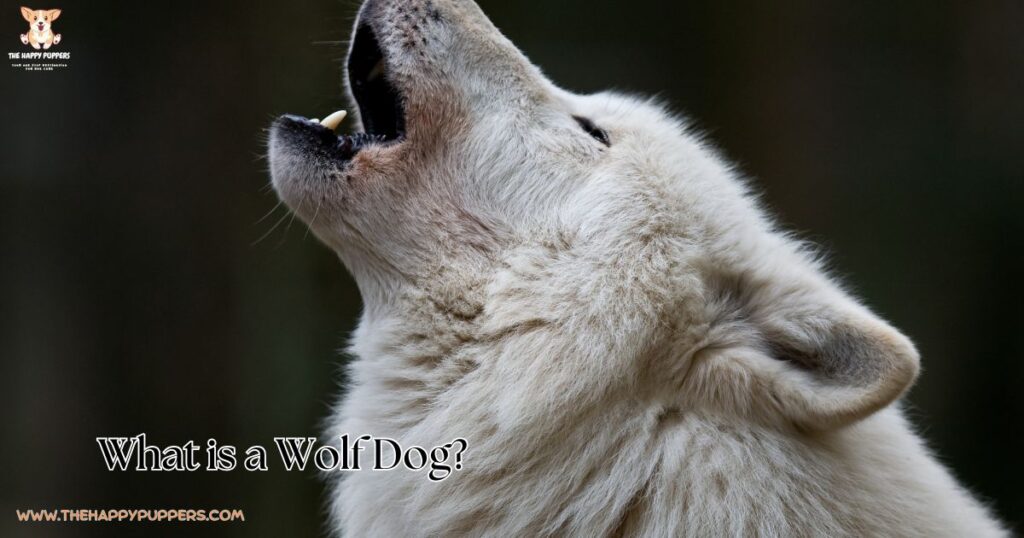
What Exactly Is a Wolf Dog?
A wolf dog, at its core, is a hybrid resulting from the crossbreeding of a domestic dog and a gray wolf. These aren’t pure wolves or typical dogs—they’re a mix that can vary wildly depending on the percentage of wolf ancestry. Experts classify them into low-content (under 50% wolf), mid-content (50-75%), and high-content (over 75%) categories, based on physical traits, behavior, and sometimes genetic testing (Wolfdog Awareness, 2023). Low-content wolf dogs might look and act more like a husky or malamute, while high-content ones lean heavily toward wolf-like independence and instincts.
Classification of Wolf Dogs
| Trait Category | Low Content (<50% Wolf) | Mid Content (50-75% Wolf) | High Content (>75% Wolf) |
| Physical Appearance | Mostly dog-like with subtle wolf traits (e.g., blue eyes, thicker coat, slightly longer legs). Resembles northern breeds like huskies but with mild wolfish features. | More wolf-like: Narrower chest, almond eyes, denser double coat, longer muzzle. Closer to high but with some dog softness (e.g., varied colors). | Strongly wolf-like: Long legs, narrow build, yellow/amber eyes, thick fur, large webbed paws, sharp teeth. Minimal dog features; often mistaken for pure wolves. |
| Temperament | Affectionate, playful, and eager to please like dogs. Mild independence; bonds well with families but may show some wolf shyness. | Independent and pack-oriented; alert but aloof with strangers. Balanced mix—loyal but stubborn, with emerging wolf instincts like resource guarding. | Highly independent, territorial, and wary of outsiders. Lacks desire to please; egalitarian pack dynamics lead to potential aggression if not managed. |
| Trainability | High: Responds well to positive reinforcement, similar to domestic dogs. Easier for beginners with consistent training. | Moderate to low: Stubborn due to wolf side; requires patient, firm methods. Harsh training backfires. | Low: Minimal interest in commands; thinks independently. Needs experienced handlers focused on enrichment over obedience. |
| Care Needs | Standard dog care with extras: Secure yard, daily exercise (1-2 hours), balanced diet. Vet access easier as they’re more dog-like. | Heightened: Escape-proof enclosures (6-8 ft fences), 2-3 hours exercise, raw-leaning diet. Specialized vet care for hybrid issues. | Intensive: Vast space (acres), 3-4+ hours trotting/exploring, raw meat diet, high fencing with dig barriers. Limited vet options; no rabies vaccine. |
| Suitability | Good for experienced dog owners; okay with families/kids if socialized. Not ideal for apartments or novices. | For seasoned guardians only; avoid small pets/kids due to prey drive. Needs rural space and commitment. | Experts only. Not for homes with kids/small animals; thrives in sanctuaries. High relinquishment risk if unprepared. |
This classification matters because it affects everything from legality to daily life. For instance, a reader Ava, once shared how she adopted what she thought was a shepherd mix, only to discover wolf ancestry through a DNA test—it turned their routine upside down with unexpected behaviors.
The History and Origins of the Wolf Dog
The story of the wolf dog ties back to the ancient domestication of wolves into dogs, a process that kicked off around 15,000 to 40,000 years ago. Scientific studies suggest early humans in Europe and Asia formed bonds with wolves that scavenged near camps, leading to selective breeding for traits like loyalty and reduced fear (Scientific American, 2015). Fast-forward to modern times, and intentional wolf dog breeding emerged in the 20th century, often mixing wolves with breeds like Siberian huskies, Alaskan malamutes, or German shepherds to create exotic pets.
Genetic research shows dogs and wolves share over 99% of their DNA, but that small difference packs a punch in behavior and adaptability (PMC, 2021. Reliable wolf-dog hybrid detection in Europe using a reduced SNP panel developed for non-invasively collected samples). In the US, where wolf populations have rebounded in areas like the Rockies, hybridization sometimes occurs naturally, but most pet wolf dogs come from breeders. Globally, including in India and other nations, such hybrids are less common due to stricter wildlife laws, but they highlight humanity’s long fascination with blending wild and tame.
Wolf Dog Breeds: Recognized and Wolf-Like Variants
When it comes to wolf dog breeds, it’s important to note that true wolf dogs aren’t standardized like purebred dogs, but some are recognized for their controlled hybridization. The Fédération Cynologique Internationale (FCI) officially recognizes the Czechoslovakian Wolfdog (bred from German shepherds and Carpathian wolves) and the Saarloos Wolfdog (from German shepherds and Eurasian wolves). These wolf dog breeds are designed to mimic wolf traits while being more manageable, but they still carry strong instincts.
Other wolf-like dog breeds without direct wolf ancestry include the Tamaskan (a mix of husky, malamute, and shepherd for a wolfish look), Northern Inuit Dog (from Game of Thrones fame), and Utonagan. For those interested in blue wolf dog breeds, variants like the blue-coated Czechoslovakian Wolfdog pop up occasionally, blending that smoky fur with hybrid energy.
Physical Characteristics of the Wolf Dog
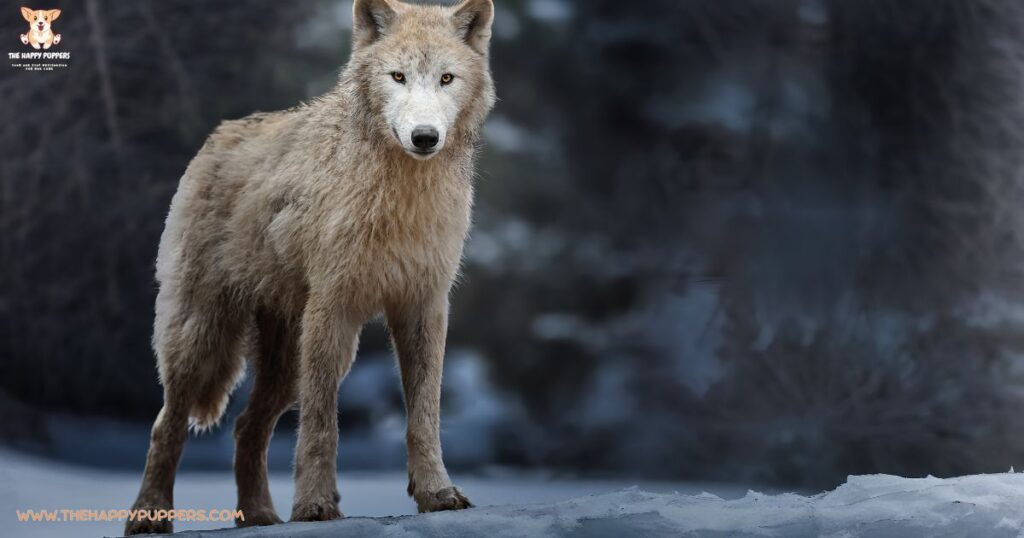
Wolf dogs often sport a striking appearance that screams “wild”—long legs, narrow chests, almond-shaped eyes in amber or yellow, and thick double coats for harsh weather. Sizes range from 60 to 120 pounds, with heights up to 33 inches, depending on the mix. A standout variant is the blue wolf dog, known for its smoky blue-gray fur from genes like those in blue German shepherds. These coats can be solid blue, blue seal with a pale undercoat, or blue fawn with tipped hairs, adding to their enigmatic allure (Green Matters, 2023).
But looks can deceive. A wolf dog’s physique demands space—they’re built for trotting miles, not lounging on couches. My cousin Millie, who has a toy poodle, once visited a sanctuary and was amazed by how a blue wolf dog’s coat shimmered in the light, but she quickly saw the energy behind those eyes. If you’re drawn to their aesthetics, remember it’s the whole package that counts.
Wolf Dog Hybrid Temperament
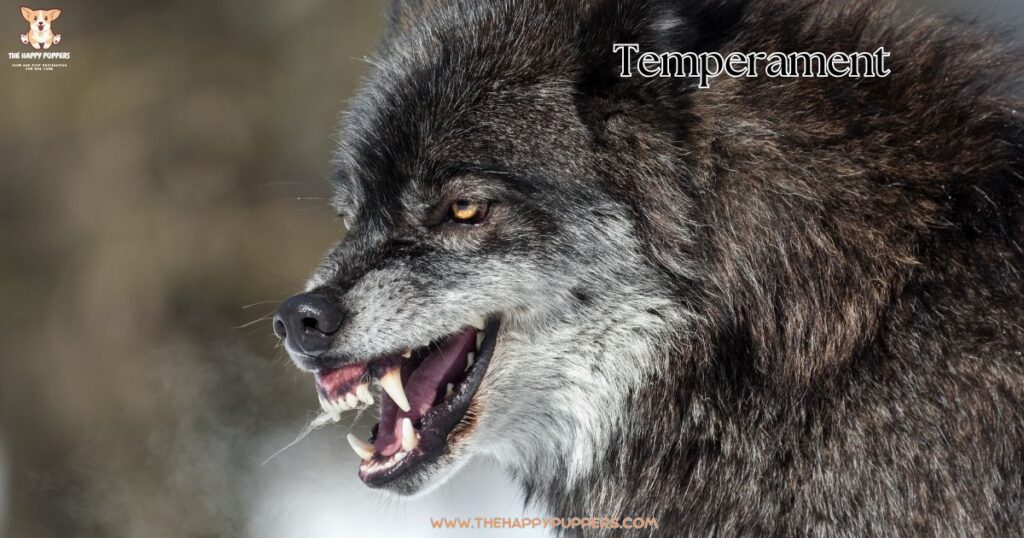
Diving into wolf dog hybrid temperament, these animals are a blend of wolf instincts and dog loyalty, but they lean towards being independent. Unlike my Delta, a German shepherd-pitbull mix who’s all about pleasing me, a wolf dog might not fetch on command—they’re thinkers, often prioritizing pack dynamics over human cues. Low-content ones can be more trainable, showing affection and playfulness, but high-content wolf dogs exhibit fear of strangers, territoriality, and a lack of eagerness to please (Patricia McConnell, 2011).
In psychology terms, their temperament stems from wolf ancestry: egalitarian packs where everyone eats together, versus dogs’ hierarchical setups. This can lead to resource guarding or same-sex aggression if not managed. A reader emailed me about their low-content wolf dog who bonded deeply but shredded furniture when bored—classic sign of unmet needs.
Blue Wolfdog Temperament
Focusing on blue wolfdog temperament, this variant inherits the independence of wolves with a dash of loyalty from breeds like malamutes or huskies. They’re intelligent and alert, often forming strong bonds with their “pack” (that’s you), but they can be aloof with outsiders. High energy is a hallmark—they thrive on mental stimulation, much like my Zeus, the Labrador mix, who needs puzzles to stay sane. However, blue wolfdogs might show more stubbornness, resisting traditional training due to their wolf side (Dogidx, 2023).
I have come across several instances where people have adopted a blue wolfdog pup, thinking its striking coat meant easy glamour. Instead, it required firm, positive reinforcement to curb independence. Blue wolfdog temperament suits experienced guardians who appreciate a challenge, but it’s not for novices.
High Prey Drive
One standout trait is the wolf dog high prey drive, an instinct wired for hunting that can make coexistence with small pets tricky. Wolves in the wild chase for survival, and this carries over—wolf dogs might view cats or chickens as targets, leading to chases or worse. Stats show this drive contributes to many relinquishments, with 65% of wolf dogs ending up in rescues or euthanized by age three in the US (Wolf PAWS, 2023).
In a real scenario, imagine walking your wolf dog and spotting a squirrel—it bolts, testing your leash skills. My Alpha, the exotic Indian pup, has a mild prey drive, but managing a wolf dog requires secure fencing and redirection training.
Wolf Dog Socialization Needs
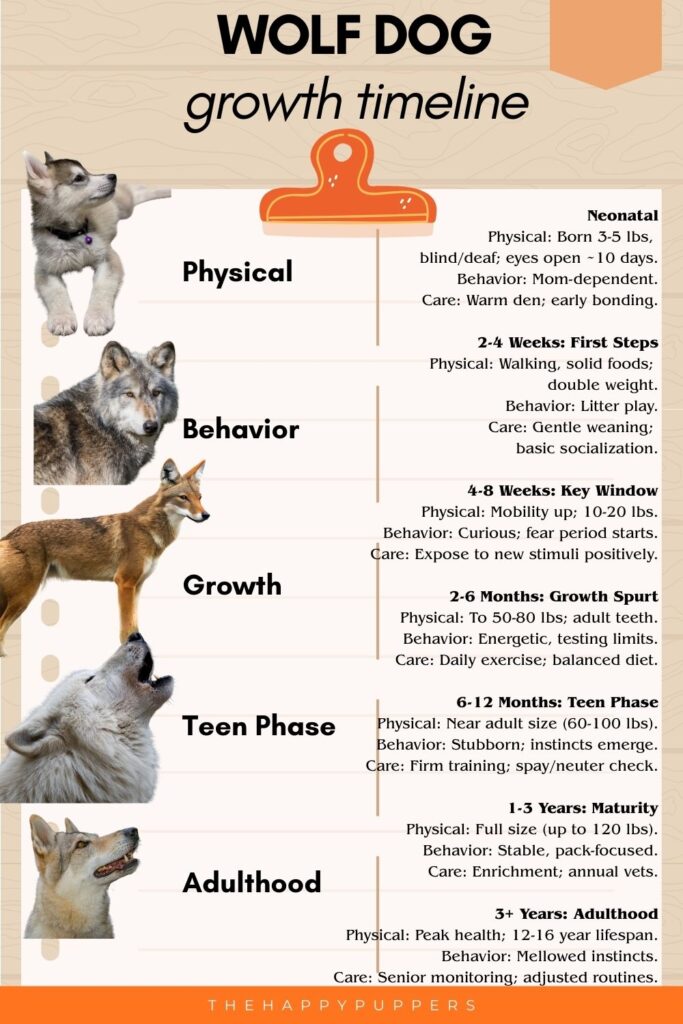
Meeting wolf dog socialization needs is crucial from day one. Pups must encounter people, sounds, and animals between 2-6 weeks to avoid fear-based reactions later. Without it, they can become skittish or aggressive, amplifying wolf traits like territoriality (Yamnuska Wolfdog Sanctuary, 2023).
I recall a dog guardian who skipped early socialization stages—their wolf dog grew wary of visitors, complicating the vet trips. On the other hand, guardians who have complained about the territorial nature of their dogs noted that when they started working on socialization, it brought a huge positive difference to their pup’s behavior.
[Image Placeholder: A wolf dog pup interacting with people during socialization training.]
Comparison: Wolf Dog vs. Similar Breeds
To help you decide, here’s a quick comparison table of a typical mid-content wolf dog vs. similar breeds. This highlights why wolf dog hybrid temperament and needs stand out.
| Aspect | Wolf Dog (Mid-Content) | Siberian Husky | Alaskan Malamute | German Shepherd |
|---|---|---|---|---|
| Temperament | Independent, high prey drive, pack-oriented, less eager to please | Energetic, friendly, stubborn | Strong-willed, loyal, pack-driven | Intelligent, trainable, protective |
| Size/Weight | 80-100 lbs, 26-33 inches | 35-60 lbs, 20-23 inches | 75-85 lbs, 23-25 inches | 50-90 lbs, 22-26 inches |
| Exercise Needs | 3-4 hours daily, large space | 1-2 hours, loves running | 2 hours, pulling activities | 1-2 hours, mental tasks |
| Trainability | Low, positive methods only | Moderate, independent | Low-moderate, consistent | High, eager to learn |
| Suitability for Families | Experienced owners only, not with kids/small pets | Good with families, escapes | Good with older kids | Excellent family guard |
| Lifespan | 12-16 years | 12-14 years | 10-14 years | 9-13 years |
| Cost (Initial) | $1,000-5,000+ | $600-1,500 | $1,000-2,000 | $800-2,000 |
This table draws from sources like AKC and sanctuary insights—wolf dogs demand more due to their wild side.
Wolf Dog Price Range: What to Expect
Curious about the wolf dog price? Puppies typically range from $1,000 to $5,000, depending on content level, breeder reputation, and lineage. Low-content wolf dogs might start at $1,000, while high-content or rare blue wolf dog variants can hit $3,000-6,500. But that’s just the start—ongoing costs like enclosures ($2,000+), raw diets ($500/month), and vet care add up fast. Always adopt from rescues to avoid supporting unethical breeding; prices there are often $200-500 for adoption fees.
Laws Regarding Wolf Dogs in the US
Navigating wolf dog ownership laws in the US is essential, as they vary by state and often depend on wolf content percentage. As of 2025, wolf dogs are fully legal without restrictions in states like Alabama, Arizona, Colorado, Idaho, Iowa, Kansas, Kentucky, Montana, Nevada, New Hampshire, New Jersey, New Mexico, North Carolina, Oregon, South Carolina, Utah, Vermont, Virginia, West Virginia, and Wyoming. However, they’re banned in Connecticut, District of Columbia, Georgia, Hawaii, Illinois, Massachusetts, Michigan, New York, Rhode Island, and Wyoming (for high-content). States like California, Florida, and Texas have partial bans or require permits based on content (e.g., under 50% wolf okay).
Always check local county or city ordinances, as they can override state laws. For example, even in legal states, high-content wolf dogs might need wildlife permits. Resources like the Wild Spirit Wolf Sanctuary provide detailed maps—double-check before committing to avoid legal headaches.
- US Legal States: Fully legal in 20 states like AL, AZ, CO; banned in 10 like CT, GA, HI.
- Restricted Areas: Permits needed in CA, FL, TX for higher content hybrids.
- US Dog Population: 68 million dogs overall; wolf dogs estimated <100,000 (niche subset).
- Relinquishment Rate: ~65% end up in rescues/euthanized by age 3 (unchanged trend).
- Ownership Growth: US pet households up 2%; wolf dogs see 5% rise in adoptions amid awareness.
Pro tip: Check local laws—explore our Health Matters for more!
Myths Busted
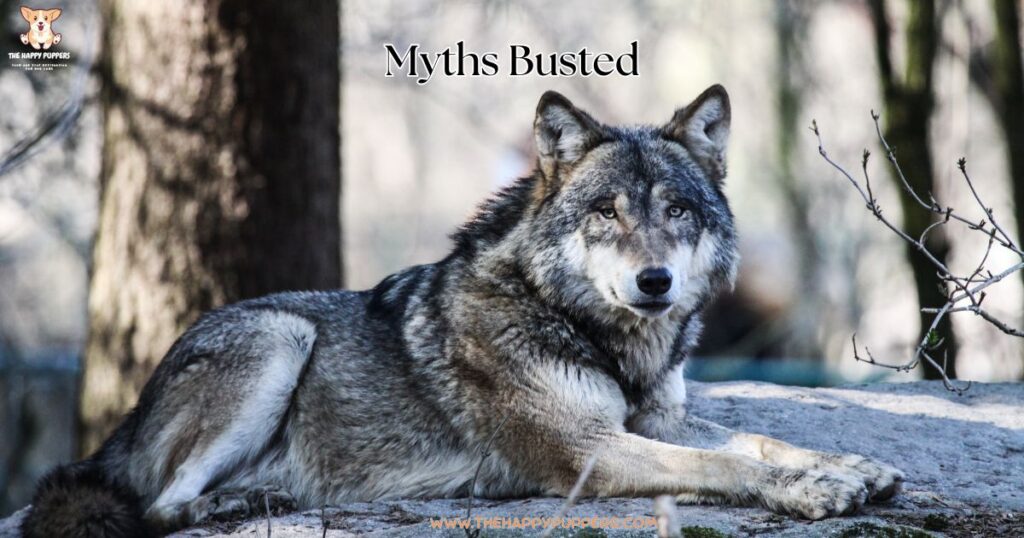
Wolf dogs, with their wild allure, are surrounded by myths that can mislead potential owners. Let’s debunk some common ones to help you make informed choices on care, training, and psychology. Remember, knowledge is key to happy, healthy guardianship!
Wolfdogs are confused animals, with the wolf and dog parts constantly at war inside them.
Wolves and dogs are the same species (Canis lupus), so wolfdogs are just like mixed-breed mutts blending traits naturally—no internal conflict, much like a human with diverse heritage thriving just fine.
All wolfdogs come from killing wild wolves and stealing their pups.
Most are bred from captive wolfdogs or backcrossed wolves, with no impact on wild populations—similar to breeding malamutes or huskies. Ethical rescues promote this to avoid harming wildlife.
Wolfdogs are unhappy in homes and long to run free in the wild.
These pups have never known the wild, so they don’t miss it. With proper enrichment, space, and love, they’re content companions—just like a husky who needs runs but loves couch time too.
Wolfdogs are unpredictable and dangerous by nature.
Like any dog, predictability comes from genetics and upbringing. High-content ones are often shy and less aggressive than many purebreds; issues usually stem from poor handling, not inherent viciousness.
The more wolf DNA, the more aggressive or “wild” the dog.
Actually, higher wolf content often means timider, more fearful behavior—aggression is rarer. Lower-content hybrids might snap from confusion, but overall, it’s about socialization, not percentage.
Rabies vaccines don’t work on wolfdogs.
They do work biologically (since they’re canines), but legal hurdles mean they’re not officially labeled for hybrids. Always vaccinate anyway, and discuss bite protocols with your vet to avoid tragedies.
This is why education matters—wolf dogs aren’t for everyone, but with the right setup, they can be rewarding.
Ethical Breeding and Adoption
Ethical breeding of wolf dogs is a hot-button issue. Many experts, including those from the International Wolf Center, warn against it due to overpopulation and suffering—thousands are euthanized yearly from abandonment. Breeders often misrepresent content levels, leading to unprepared guardians. Instead, focus on rescues and sanctuaries; adopting saves lives and discourages backyard breeding. As the National Wolfdog Alliance notes, “A statistic shows that almost 65% of all bought wolfdogs end up in a rescue or are euthanized by the age of three.” Promote spay/neuter and support organizations like Mission Wolf for ethical alternatives.
Wolf Dog Daily Needs: A Routine Breakdown
Meeting wolf dog daily needs keeps them healthy and happy.
- Start with 3-4 hours of exercise: hikes, runs, or puzzle games to channel energy.
- Feed 2-4 pounds of raw meat (chicken, beef) or high-protein kibble daily, split into meals along with supplements for the joints (The Spruce Pets, 2023).
- Social time is key—spend hours interacting or provide a canine companion to prevent boredom.
- Grooming: Brush weekly for that thick coat.
- Mental stimulation: Hide treats or use scent work.
Is a Wolf Dog Right for You? Take This Quiz
Wondering if a wolf dog fits your life? Take this quick quiz and find out.

Ownership Challenges and Legality for Wolf Dogs
Owning a wolf dog isn’t straightforward. Challenges include escape artistry—they dig under fences or jump 8 feet—and the need for vast spaces, like half an acre per pair with reinforced enclosures. Legally, many US states restrict or ban them as I have mentioned earlier in the article. Make sure to always check local laws to avoid heartbreak later on.
Ethically, groups like the International Wolf Center warn against breeding due to high abandonment rates—75% of pet wolf dogs die before age one from neglect. If you’re set on one, adopt from rescues and prepare for a lifetime commitment.
Wolfdog Veterinary Care Issues
Wolfdog veterinary care issues are real hurdles. No approved rabies vaccine exists for hybrids, so bites often lead to euthanasia mandates. Vets may refuse service due to liability, and common problems like joint issues or parasites hit harder from their size and activity (AKC, 2023)

Let’s imagine a scenario. Your wolf dog gets a tick bite—finding a willing vet becomes a scramble. In the US, stats show many hybrids suffer from untreated stress-related ailments that are difficult to treat. Globally, access varies, but proactive check-ups are key.
Real-Life Scenarios with Wolf Dogs
Several of my readers have shared their experiences with handling and caring for wolf dogs. One reader adopted a mid-content wolf dog, expecting a fierce guard dog. Instead, it bonded with the humans like family but chased their cat, requiring separate spaces. Another, inspired by her friend keeping a wold dog, got a low-content mix. She and her husband make sure to conduct daily runs with their pups. It has thrived as a result of the proper exercise. However, the times when it gets bored, it shows in the form of dug-up yards.
A guardian friend found a solutuin to escape artistry:
Their wolf-dog dug out nightly until they installed buried fencing. Unfortunately, they learned the lesson after multiple fence-digging sessions. After the fencing was installed, no further escaping was reported.
In another case, a family with kids unfortunately realized too late that the wolf dog’s high prey drive made playtime risky for their kids, leading to rehoming. My cousin Millie, with her toy poodle, met a blue wolf dog at a rescue—it was gentle but needed acres, highlighting mismatches. Even my Zeus’s playfulness pales next to a wolf dog’s intensity. These tales show that one must know thyself before committing to a lifetime to caring for a high-energy dog breed.
Let’s talk about one more situation I came across. One of my readers in a legal state bought a high-content pup cheaply online, only to face $3,000 in enclosure costs and vet refusals—now they’re advocating for rescues.
Expert Quotes
As Patricia McConnell poignantly states, “Wolves simply are not designed to live in houses with people. They need to trot miles and miles every day. They do not, and will never, look to their human for guidance, or boundaries, or anything but to live together as equals.”
From Wolf PAWS: “Wolf-dogs are difficult to keep as pets and demonstrate wild natures as they mature.”
Another from Patricia McConnell’s commenters: “The most wolf I would ever recommend is 15% max. 10% is better… Wanting more than that just means you are a foolish, ignorant, unloving person.”
Exploring More on The Happy Puppers: Categories and Related Reads
I’m not just here to explain dog cloning and if it the right option for you. I’m here to empower you to be the best dog parent possible with holistic pet care insights.
Dog Behavior Hub
Understand your pup’s actions with expert behavior guides
✔️ Stop puppy nipping behavior: Survival guide
✔️ Dog toys importance in developmental stages
✔️ Training Rescue Terriers: A Complete Guide
Dog Health Hub
Learn how health impacts behavior
✔️ Dog teeth discoloration : causes and remedies
✔️ Pup has worms? Puppy deworming guide
✔️ Gum diseases in dogs: the complete guide
Dog Breeds Hub
Train your pup to curb unwanted habits
✔️ French Bulldog puppies – a complete guide
✔️ Golden Retriever Puppies: Complete Training Guide
✔️ Pocket Pitbull: understanding the breed
The Nutrition Hub
Fuel your pup with balanced diets for better behavior
✔️ Can dogs have bananas?
✔️ Apple Cider Vinegar For Dogs
✔️ Benefits of coconut oil for dogs
Dog Grooming Hub
Transform your pup’s look with gentle, grooming using simple techniques to keep them happy and healthy!
✔️ Petco Grooming: Your Ultimate Guide in 2025
✔️ Flea Collars: Do they really work?
✔️ Dog grooming near me 2025
DIY for dogs
Unleash your creativity with fun and easy DIY projects to delight your furry friend!
✔️ DIY indoor activity course for dogs
✔️ Amazing HOMEMADE dog toys
Ready to Dive Deeper? Your Next Step
Loved this deep dive into wolf dog hybrid temperament, high prey drive, socialization needs, and veterinary care issues? If it’s got you pondering the wild side of dog guardianship, keep the momentum going! Swing by my YouTube channel, Shruti and Delta, where I share hands-on videos featuring hybrid care hacks, real-life training sessions with my own pups (like Delta’s high-energy routines), and tips on everything from raw diets to decoding pack psychology.

Hit that subscribe button for fresh weekly content tailored for dog parents like you—plus, drop a comment on my latest video: What’s your experience with wolf dogs or similar breeds? Spill your stories, questions, or triumphs, and let’s foster a supportive community of informed guardians.
Grab Your Free Printable: Wolf Dog Care Checklist Ready to put this knowledge into action? Download my exclusive “Wolf Dog Care Checklist” PDF right here—it’s packed with daily essentials, weekly checks, and monthly reviews to keep your hybrid happy and healthy. Just click the link below to save it to your device and print for easy reference. Perfect for jotting notes on temperament quirks or vet prep!
After all, every pup—from wolf hybrids to your everyday furry friend—deserves top-notch care, training, and love. Start your journey now—your dog’s tail will thank you!
Frequently Asked Questions About Wolf Dogs
A wolf dog isn’t a single breed but a hybrid from gray wolves crossed with domestic dogs like Siberian huskies, Alaskan malamutes, German shepherds, or even rarer mixes. Content levels vary, and genetic testing confirms ancestry—always adopt responsibly to avoid misrepresented pups.
Dogs share about 99.9% of their DNA with wolves, making them incredibly similar genetically. However, that 0.1% difference drives big changes in behavior, like dogs’ eagerness to bond with humans versus wolves’ independence. Studies confirm this close relation but highlight domestication’s tweaks (PMC 2023).
High-end dogs like rare Tibetan mastiffs or elite show breeds can fetch prices up to 20 crore rupees (about $2.4 million USD), often in auctions for their lineage and rarity. But remember, cost doesn’t equal companionship—focus on rescues for ethical choices.
Wolf dogs directly have wolf DNA, but breeds like the Czechoslovakian Vlcak (from wolf-shepherd crosses) or Saarloos wolfdog carry documented wolf ancestry. Even some huskies trace back, but pure wolf DNA is regulated (PMC, 2012).
No, a wolfdog is a hybrid of gray wolf and a domestic dog, while coyotes are a separate species (Canis latrans). Coydogs (coyote-dog hybrids) exist but differ in size, behavior, and habitat—wolfdogs are larger and more wolf-like (Wolf Dog Project).
Wolfdogs can be safe with experienced guardians who provide proper socialization, enclosures, and training, but they’re not ideal for most homes due to high prey drive, independence, and legal risks. Stats show high relinquishment rates, so assess your lifestyle honestly—many thrive in sanctuaries instead.
About the Author
Dr. Shruti Bhattacharya is the founder and guiding force behind The Happy Puppers, combining a Ph.D. in Immunology with decades of direct canine care experience. Her passion for the well-being of dogs has taken many forms:
- Academic & Scientific Rigor – Dr. Shruti applies a science-based approach to pet care, enriched by her training in immunology.
- Hands-On Street Work – Over the past 10+ years, she has personally cared for 30+ street dogs, tending to their health, training, and rehabilitation, even as she relocated and continued caregiving with 15 dogs, and currently supports 5 local neighborhood dogs outside her apartment.
- Instinctual Bond with Dogs – From stray pups to fostered companions, even strangers recognize her as a safe and trusted friend to dogs—drawn to her calm presence and empathy.
- Personal Pack – She’s the proud canine mom of Delta, a German Shepherd–Pitbull mix; Zeus, an energetic Labrador mix; and Alpha, a curious Indian pariah pup—each inspiring her mission through their daily lives.
Through The Happy Puppers, Dr. Shruti shares science-backed advice, empathetic insight, and evidence-based tips designed to empower dog guardians worldwide. The purpose of this is to blend real-world experience with academic expertise, helping every dog feel safe, loved, and thriving.

Follow me on:
Disclaimer
This content is for informational purposes only and not a substitute for professional veterinary or grooming advice. Consult a veterinarian for specific dietary concerns.
References
- Green Matters, 2023. Blue Wolfdogs: Getting to Know the Dog Breed That Has Wolf DNA.
- Dogidx, 2023. Blue Wolfdog Dog Breed: A best Truly Unique and Enigmatic Breed.
- Wolfdog Awareness, 2023. Wolfdog Basics.
- Yamnuska Wolfdog Sanctuary, 2023. Learn about Wolfdogs.
- Scientific American, 2015. How Wolf Became Dog.
- Wolf.org, 2023. Get facts about wolf-dog hybrids.
- Patricia McConnell, 2011. The Tragedy of Wolf Dogs.
- Wolf PAWS, 2023. Wolf-Dogs As Pets.
- The Spruce Pets, 2023. Do Wolf Dogs Make Good Pets?.
- AKC, 2023. 10 Wolf-Like Dog Breeds That Are Anything But Wild.
- Mission Wolf, 2023. Wolf and Wolf-Dog Care.
- Wolfdog Project, 2023. Untitled.
- PMC, 2012. Bucking the Trend in Wolf-Dog Hybridization: First Evidence from Europe of Hybridization between Female Dogs and Male Wolves.
- PMC, 2021. Reliable wolf-dog hybrid detection in Europe using a reduced SNP panel developed for non-invasively collected samples.
- PMC, 2023. Evolutionary divergence of facial muscle physiology between domestic dogs and wolves.
