

Updated with current CDC guidance. This post was first written in March 2020, early in the pandemic, and some early advice has since changed.
Topics covered in this blog post
Coronavirus! What you need to know as a dog guardian!
What is Coronavirus?
Coronaviruses are positive-stranded, spherical, enveloped, non-segmented RNA viruses. It has a diameter of 125nm. In the human body, it binds to the ACE2 receptor present on the alveoli of the lungs. Upon infection/entry, it hijacks the human cell machinery to make a complete virus particle, killing the host cell in the process.
The name Coronavirus is derived from the crown-like spikes which are present on the surface of the virus (in Latin, corona translates to ‘crown’).
The disease and the virus have different names:
- COVID-19: the name of the disease
- SARS-CoV-2: the name of the virus that causes it
Other coronaviruses that have caused outbreaks in people are SARS (severe acute respiratory syndrome) coronavirus (2002–2003) and MERS (Middle East respiratory syndrome) coronavirus (first identified in 2012).
The 2019 novel Coronavirus, is believed to have originated in bats and has been transmitted to humans via an intermediate host animal.
The incubation period (the time duration needed by the virus to grow in the body during which no signs or symptoms of the disease are observed ) of this virus is 4 to 14 days in humans.
The most common symptoms of this disease (in humans) are
- fever
- dry cough
- muscle ache
- fatigue
The less common symptoms (in humans) are
- headache
- Coughing up blood
- Diarrhoea
The disease usually transmits via direct contact with an infected person (via droplets containing virus particles)
Let’s come to the main question:
Can dogs be affected by Coronavirus?
Yes, but it is uncommon. According to the CDC, the virus that causes COVID-19 can spread from people to animals during close contact, and pets worldwide, including cats and dogs, have been infected, mostly after close contact with people who had COVID-19. Most pets that got sick had only mild illness and fully recovered; serious illness in pets is extremely rare.
That dog (reported in early 2020) tested positive after living with guardians who had COVID-19 and did not show signs of illness. Since then, more pets have tested positive, usually after close contact with a sick person. The CDC says the risk of pets spreading COVID-19 to people is low.

What should I as a dog guardian do?
Maintain regular hygiene as you normally would.
In case a person is affected or is suspecting himself or herself to be affected, it is advisable to hand over the care of their dog to an uninfected person just like they would if they have any disease.
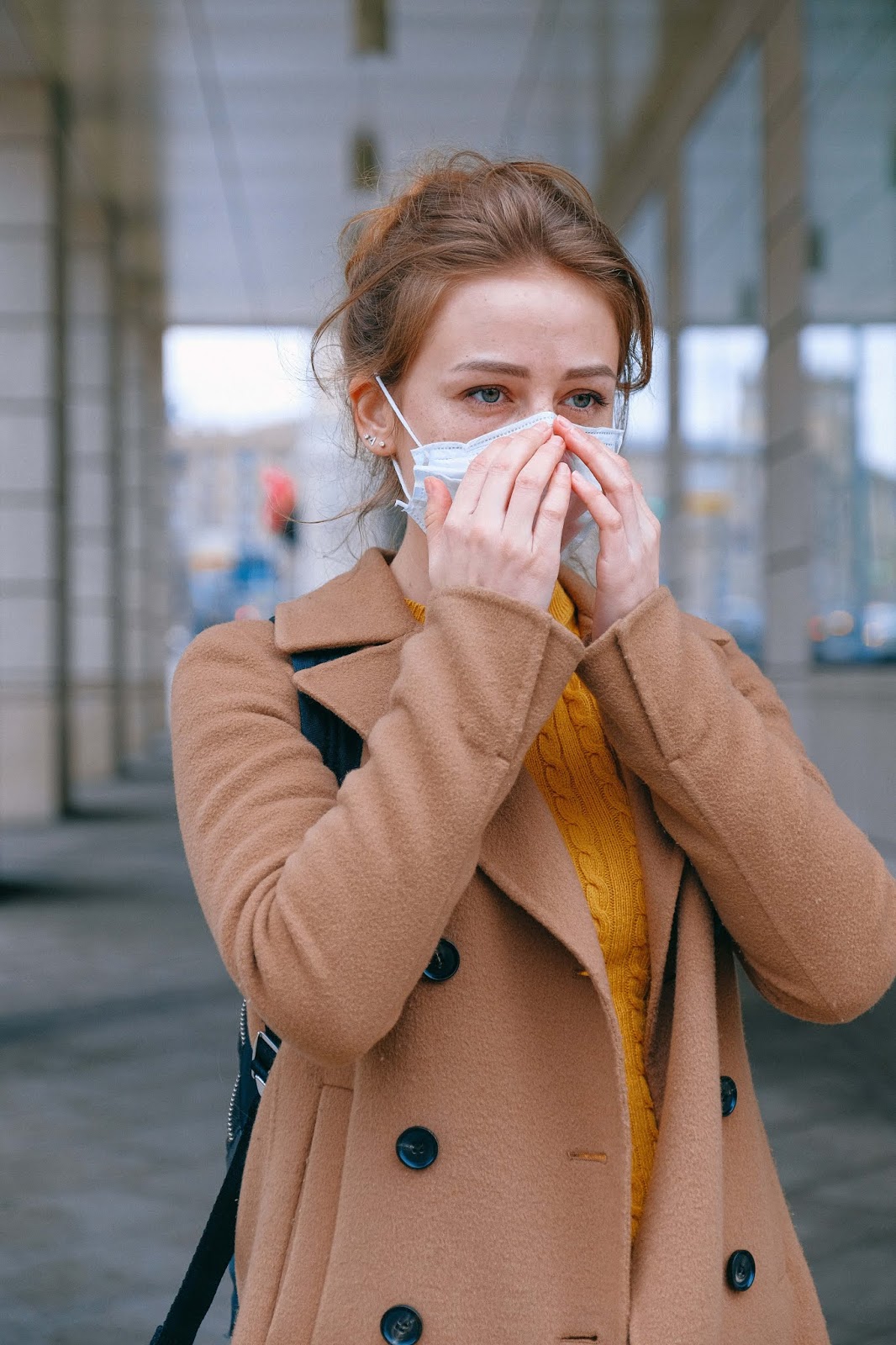
In case the infected person must care for their dog, it is recommended to wear a face mask and wash their hands before and after coming in contact with their dogs.
Pets usually catch the virus from their people, not from other dogs. If no one in your home has COVID-19, the risk to your dog is very low. If you are sick, avoid petting, snuggling, kissing, sharing food and sleeping in the same bed with your dog, and do not wipe or bathe your dog with disinfectants, alcohol, hand sanitizer or cleaning wipes (CDC).

What to do if one suspects their dog of being infected by the Coronavirus?
Currently, public services and Veterinary health are working together using a one health approach to share all information and conduct a risk assessment if a COVID-19 infected person is reported to be in contact with dogs.
If a decision is taken to conduct a risk assessment test, a real-time reverse transcriptase- polymerase chain reaction (RRT-PCR/qRT-PCR) test is conducted on oral, nasal as well as fecal samples of dogs suspected of being infected with the virus.
What is the RRT-PCR/qRT-PCR test?
Just like we humans have DNA which holds our genetic code, coronaviruses carry their genetic code as RNA. Only some viruses (retroviruses) copy their RNA into DNA inside our cells using an enzyme called reverse transcriptase. The coronavirus does not do this; it uses its RNA directly to make new virus particles.
In the RT-PCR test, the lab uses reverse transcriptase to copy any viral RNA in the sample (usually a nose or mouth swab) into DNA, which is then amplified and measured to detect the virus.

Is any vaccination available which can protect my dog from getting infected by Coronavirus?
Dogs are not routinely vaccinated against COVID-19. Because serious illness in pets is extremely rare (CDC), the best protection for your dog is to avoid close contact with it while you are sick. Keep your dog’s regular vaccines up to date as your vet recommends.
Should I make my dog wear a face mask when I take him/her out in public?
No. The CDC says: do not put masks on pets; masks could harm your pet. Instead, keep your pup’s vaccinations up to date as your vet recommends, including vaccines against respiratory diseases like canine influenza, Bordetella and parainfluenza where appropriate.
What to do if I am ill (suspected or suffering from Coronavirus) and my dog needs immediate vet care?
If you are sick with COVID-19 and your dog needs a vet, the CDC advises: do not take your pet to the clinic yourself. Call your veterinarian (or the emergency clinic) first and tell them you have COVID-19. Some vets offer telemedicine, or can arrange curbside handover with a healthy friend or family member bringing your dog in. For a true emergency, call ahead and let the clinic tell you how to get your dog there safely.
Your vet may decide over the phone whether your dog needs to be seen. Only give medicine your vet prescribes or approves for this illness. Never give your dog leftover medication from an earlier illness (yours or your dog’s) without asking your vet first.
Conclusion:
Signs of COVID-19 in pets (per the CDC): fever, coughing, difficulty breathing, lethargy, sneezing, runny nose, eye discharge, vomiting or diarrhea. Most sick pets have mild illness. Call your vet right away if your dog has trouble breathing, cannot keep food or water down, or seems very weak, and tell them if anyone at home has COVID-19.
Now that you know what you should do and how to keep your pup protected, make sure you follow all instructions to the teeth and keep your pup’s vaccination up to date.
What are you doing to keep the COVID-19 at bay? Let me know in the comment section below. If you have any specific questions make sure to put them down too. I will do my best to answer on the basis of available scientific research.
Furthermore, if you are concerned with your dogs not getting the proper amount of exercise due to the quarantine, you can check out the next post which will focus on making an indoor dog activity area.
Or
You can check out the following video which describes how to set up the activity area and get your dog tired.
Finally maintain proper hygiene and stay safe.
PS: If you like the article, please share it with your friends so that more dog guardians are aware of what they need to do in this difficult time and situation. Also, don’t forget to leave a comment!
