

Last updated: Dec 18, 2025
Every dog guardian wants their furry friend to be happy and healthy, but sometimes, digestive issues like dog vomiting and diarrhea can throw a wrench in those plans. These symptoms are common and can signal anything from a minor tummy upset to a serious health concern. As someone who’s cared for over 30 street dogs and my own pack—Delta, Zeus, and Alpha—I know how worrying it can be to see your pup struggle. That’s why understanding the causes of dog vomiting and diarrhea is vital for every dog guardian.
At The Happy Puppers, I share science-backed, empathetic advice to empower you. This post, part of the Dog Health Hub, dives into dog vomiting and diarrhea, covering causes, care tips, and when to seek veterinary help. You’ll also find a free downloadable symptom tracker to keep your pup’s health on track. For more insights, subscribe to The Happy Puppers (sidebar option) or my YouTube channel, Shruti and Delta. Don’t forget to ring the notification bell and set it to ALL!

Topics covered in this blog post
Quick Reference: 5 Urgent Symptoms to Watch
If your dog shows these signs, contact your vet immediately:
- Vomiting or diarrhea lasting over 24 hours.
- Blood in vomit (hematemesis) or stools (melena, hematochezia).
- Signs of abdominal pain (restlessness, tense abdomen).
- Lethargy, weakness, or inability to stand.
- Fever (rectal temperature above 103°F/39.4°C).
⚠️ Skip Home Care: See a Vet the Same Day If…
- Your dog is a puppy (especially under 6 months or not fully vaccinated), because parvo can kill within days
- Your dog is a toy breed, a senior, or has diabetes, kidney, liver, heart or Addison’s disease
- Your dog vomits repeatedly, or can’t keep water down
- Your dog is retching without bringing anything up or has a swollen belly (possible bloat; go now)
- There is any blood in the vomit, coffee-ground vomit, or black tarry stool
- Your dog may have eaten a toxin, a bone, a toy, a corn cob or string
- Your dog has pale gums, is collapsing or is very lethargic
Don’t fast puppies or toy breeds: they can quickly develop low blood sugar.
Understanding Dog Vomiting and Diarrhea
Dogs can’t tell us when they’re feeling off, so dog vomiting and diarrhea are their body’s way of signaling trouble. Vomiting involves the forceful expulsion of stomach contents, often with heaving or retching. Diarrhea is frequent, loose, or watery stools. While occasional episodes might stem from a dietary slip, persistent or severe cases could point to serious issues like infections or organ disease.
As a dog guardian, staying vigilant is key. This guide explores the causes of dog vomiting and diarrhea, how to care for your pup at home, and when to seek professional help. Let’s ensure your furry friend stays healthy and happy!
Dog Vomiting and Diarrhea as Symptoms
When a dog’s body needs to get rid of unwanted substances or toxins, it often resorts to vomiting and diarrhea. These are not diseases on their own, but rather indications of an underlying issue. When a dog vomits, their stomach contents are forcefully expelled through the mouth, usually accompanied by heaving or retching. On the flip side, diarrhea is characterized by the frequent passage of loose or watery stools.
If your dog experiences occasional vomiting or diarrhea, it’s usually nothing to worry about. It could be due to dietary changes or a minor stomach bug. However, if the symptoms persist or become severe, it’s important to consider more serious underlying issues. There are many factors that can contribute to these conditions, including dietary intolerances, infections, organ diseases, and poisoning. Keeping a close eye on your furry friend’s well-being is crucial. It is always a good idea to consult a veterinarian if symptoms persist or become more severe.
Let’s explore the causes, signs, care tips, and when to seek veterinary care for dog vomiting and diarrhea. By gaining a better understanding of dog vomiting and diarrhea and how to effectively handle them, you can guarantee the overall health and happiness of your beloved furry friend.
Reasons for Dog Vomiting and Diarrhea
Dietary Concerns:
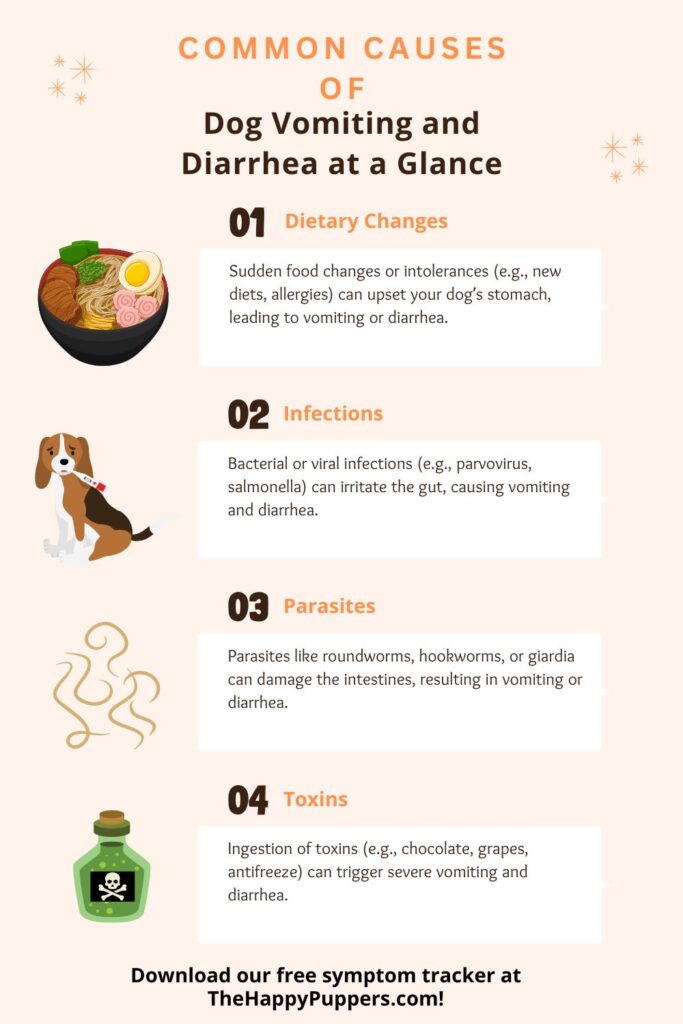
Sudden Diet Changes: Switching food brands or types too quickly can upset your dog’s stomach, leading to vomiting or diarrhea. Gradual transitions over 7–10 days are best (Merck Veterinary Manual).
Food Allergies or Intolerances: Ingredients like wheat, soy, or chicken can trigger sensitivities, causing vomiting or diarrhea. Ask your vet about an 8-week elimination diet trial with a hydrolysed or novel-protein food.
Scavenging: Dogs eating spoiled food from trash or outdoor sources can ingest harmful bacteria, leading to vomiting. My “Puppy Deworming Guide” discusses preventing related issues.
Pin this infographic for later:
Health Concerns regarding dog vomiting and diarrhea
- Gastrointestinal Infections: Viruses like parvovirus or bacteria like salmonella can cause vomiting and diarrhea. Parvovirus is especially dangerous in puppies, affecting up to 15% of severe diarrhea cases (Merck Veterinary Manual).
- Inflammatory Bowel Disease (IBD): Chronic inflammation of the gut leads to vomiting, diarrhea, and weight loss. It requires long-term management.
- Pancreatitis: Inflammation of the pancreas, often triggered by fatty foods, causes vomiting and abdominal pain.
- Organ Diseases: Liver or kidney issues can lead to toxin buildup, resulting in vomiting.
The Parvo Threat
Parvovirus is a highly contagious virus that poses a severe risk to unvaccinated puppies and young dogs, often causing acute vomiting, bloody diarrhea, lethargy, and dehydration. Like the thresholds noted by veterinary specialists (e.g., more than 3 vomiting episodes in 24 hours signaling an emergency), watch for rapid worsening: symptoms can escalate within hours, leading to life-threatening shock if untreated. Puppies under 6 months are most vulnerable due to waning maternal immunity, with outbreaks common in high-density areas like shelters or parks. Early signs include foul-smelling, bloody stools and refusal to eat—act fast, as mortality can reach 91% without intervention, but drops to under 10% with prompt care. Vaccination is key to prevention. (Merck Veterinary Manual, 2025; Sævik et al., 2012)
Chronic Diarrhea in Dogs
Chronic diarrhea (lasting weeks or recurring) often signals conditions like inflammatory bowel disease (IBD), food allergies, or parasites. Signs include:
- Frequent, loose stools
- Weight loss
- Poor coat quality
Management involves:
- Prescription Diets: Low-allergen or hydrolyzed diets (e.g., Royal Canin Gastrointestinal) reduce gut irritation.
- Medications: Anti-inflammatories or immunosuppressants for IBD, or antiparasitics for giardia.
- Regular Vet Checkups: Monitor underlying conditions like liver disease.
Chronic diarrhea, lasting weeks or recurring, often signals IBD, food allergies, or parasites, with signs like frequent loose stools, weight loss, and poor coat. Up to 60-88% of dogs with inflammatory enteritis respond to dietary changes like hydrolyzed diets. In studies, 68% achieved full resolution with fiber-supplemented foods within 56 days, improving stool consistency in just 1-2 days.
Management: Prescription diets reduce irritation; meds like anti-inflammatories for IBD; regular checkups monitor issues like dysbiosis (gut bacteria imbalance). Preventive stats: Multiple diet trials boost response rates to 85-86%. (Leib et al., 2022; AVMA, 2023)
My article “Gum Diseases in Dogs” discusses how oral health can impact chronic gut issues. Work closely with your vet for a tailored plan.
Additional Factors
- Motion Sickness: Travel can cause nausea and vomiting in dogs.
- Parasites: Roundworms, hookworms, or giardia irritate the gut, causing vomiting or diarrhea. See my “Puppy Deworming Guide” for prevention tips.
- Toxins: Ingestion of chocolate, grapes, lilies, or antifreeze can cause severe vomiting and diarrhea. The ASPCA’s toxic food list is a great resource.
Understanding these causes helps pinpoint the issue and guide treatment.
It’s important to have a good grasp of the different factors that can cause dogs to vomit. This knowledge will help us pinpoint the root cause and administer the right treatment. Now, let’s delve into these causes in greater depth.

What Can Lead to Dog Vomiting and Diarrhea
Dietary Adjustments
- Sudden alterations in a dog’s diet, particularly when transitioning between various brands or food varieties, may result in vomiting and diarrhea.
- Dogs may develop allergies to food ingredients, such as grains, chicken, and beef, or additives like artificial flavors and preservatives.
- Dogs sometimes end up swallowing things that are not meant to be eaten, like garbage, plants, or toys. This can lead to irritation in their digestive system and result in diarrhea.
Health Concerns
- Infections caused by bacteria or viruses can result in diarrhea in dogs.
- Intestinal parasites like giardia, roundworms, hookworms, and tapeworms cause diarrhea by harming the intestinal lining or fighting for nutrients.
- IBD is a condition that affects the gastrointestinal tract, leading to chronic inflammation. Dogs with IBD may experience symptoms such as diarrhea, vomiting, weight loss, and more.
- Pancreatitis, which is inflammation of the pancreas, can lead to symptoms such as diarrhea, vomiting, and abdominal pain in dogs.
It’s important to have a good grasp of the different factors that can cause diarrhea in dogs. This knowledge will help you pinpoint the root cause and administer the right treatment.
When to Worry about Dog Vomiting and Diarrhea: Symptoms and Signs
Not all vomiting or diarrhea requires a vet visit, but these signs signal trouble:
- Symptoms lasting over 24 hours, especially if frequent or severe.
- Blood in vomit or stools, indicating possible internal bleeding.
- Abdominal pain (whining, tense abdomen), suggesting blockages or inflammation.
- Lethargy, weakness, or collapse, pointing to dehydration or shock.
- Fever (above 103°F/39.4°C), indicating infection.
- Loss of appetite for over 24 hours.
- Changes in urination (e.g., dark urine, reduced output), signaling kidney issues.
- Neurological signs (e.g., seizures, stumbling), suggesting poisoning.

Dog Vomiting Blood: What It Means
Vomiting blood (hematemesis) is a red flag, appearing as red streaks or coffee-ground-like material. Causes include:
- Ulcers: From stress, medications, or infections.
- Foreign Objects: Swallowed toys or bones causing internal injury.
- Toxins: Rat poison or antifreeze ingestion.
Immediate vet care is critical. Tests like endoscopy or X-rays pinpoint the cause, and treatments may include antacids or surgery. When a street dog I cared for vomited blood, an X-ray revealed a bone fragment, requiring urgent removal.
Vomiting blood (hematemesis) demands immediate attention, as it can indicate ulcers from stress/medications, foreign object injuries, or toxins like rat poison. In outbreaks, it may link to viruses like canine enteric coronavirus, seen in 88-91% of vomiting cases without blood, but with escalating risks. Personal story: When my street dog vomited blood, an X-ray revealed a bone fragment—quick action saved him. Tests like endoscopy (pros: direct view; cons: invasive) confirm causes, with treatments including antacids or surgery. Stats show co-occurrence with diarrhea increases vet visits by 49.5%. (Godsall et al., 2021; Clements et al., 2017)
How to Identify Dehydration in dogs
Dehydration in dogs happens when they lose more water than they drink. This throws off the balance of electrolytes (salts and minerals) in their bodies, which stops them from functioning normally. The following are signs of dehydration:
- Healthy dogs have moist gums. Gums that are dry or sticky can be a sign of dehydration.
- In this case, the skin on your dog’s neck or back should be able to snap back into place when you gently pinch it. The skin may take longer to return to its regular position in dogs that aren’t getting enough water.
- Dogs that aren’t getting enough water may have eyes that look sunken or dull.
- Dogs that aren’t getting enough water may pee less and the color of their urine may be darker than normal.
- The dog is tired and weak from not drinking enough water
- A faster heartbeat than usual for your dog, together with the signs above, can mean dehydration. Normal resting rates vary by size (roughly 60–140 beats per minute in adults, higher in puppies), so ask your vet what is normal for your dog.
- Dehydration can cause collapse or shock in the worst cases.
Keep in mind that dehydration can get worse very quickly, especially in small dogs or dogs that already have health problems. Get your dog to the vet right away if you suspect dehydration or a major health problem.
How to Take Care of Your Dog At Home
Dog Vomiting and Diarrhea Home Remedies
For mild cases, home remedies can soothe your dog’s stomach before vet intervention:
- Fasting: For healthy adult dogs, you can skip one meal (6–12 hours) to rest the stomach, while offering small amounts of water. Never fast puppies, toy breeds or diabetic dogs.
- Hydration: Offer canine electrolyte solutions (e.g., Pedialyte, diluted) to prevent dehydration. Check my “Bone Broth for Dogs” article for a hydrating recipe.
- Bland Diet: Feed small, frequent meals of about 1 part boiled chicken to 2–3 parts white rice for 2–3 days.
- Pumpkin Puree: 1–2 tablespoons of canned pumpkin (not pie filling) can firm up stools due to its fiber content.
Don’t give human medicines like Pepto-Bismol or Imodium unless your vet advises; some can be harmful to dogs or hide serious signs. If symptoms persist beyond 24 hours, consult your vet. These remedies worked wonders for Delta after his table-scrap incident.
Step-by-Step Home Plan for Mild Cases (Healthy Adult Dogs Only)
- Rest the stomach briefly: skip one meal at most, 6–12 hours. Many vets now skip fasting entirely for diarrhoea.
- Water little and often: offer a few tablespoons every 30–60 minutes. If your dog vomits water, call your vet.
- Bland food: small meals of boiled, skinless chicken (or white fish) with plain white rice. Use about 1 part chicken to 2–3 parts rice, given 3–4 times a day for 2–3 days.
- Back to normal food: over 3–5 days, mixing increasing amounts of the usual food into the bland diet.
- Call your vet if your dog is not clearly better within 24 hours, gets worse at any point, or develops any sign in the red box above.

Home vs Vet Treatments
Here’s a quick comparison to guide when to stay home or head to the vet:
| Aspect | Home Treatments | Vet Treatments | When to Choose |
|---|---|---|---|
| Mild Cases (e.g., occasional vomiting) | Skip one meal (adults only), bland diet (chicken/rice), pumpkin for fiber, hydration monitoring | Supportive fluids, antiemetics like maropitant if needed | Home first; vet if no improvement in 24 hrs |
| Severe Cases (e.g., blood, lethargy) | Not recommended—monitor only briefly | IV fluids, antibiotics (e.g., metronidazole for giardia), diagnostics | Vet immediately; 87% resolve but escalation in 10-11% |
| Chronic Issues | Diet trials (e.g., hydrolyzed food), probiotics | Prescription diets, anti-inflammatories, ongoing monitoring | Vet-guided; home for maintenance |
| Risks | Overuse of human meds (toxic); delayed care | Over-antibiotics (38% usage, no benefit in mild cases) | Balance: Studies show no outcome difference in uncomplicated cases |
General Advice
- Avoid over-the-counter medications like Pepto-Bismol unless advised by a vet, as they can harm dogs.
- Watch for improvement (less vomiting, firmer stools) or worsening signs (lethargy, blood).
- Transition back to regular food gradually over a week.
- If symptoms persist beyond 24 hours, contact your vet immediately.
If your dog has been puking or having diarrhea for more than 24 hours, call your vet right away. These signs could be signs of a more serious problem that needs immediate medical care.
Preventive measures pay off:
Households with another dog reduce diarrhea hazard by 22% and vomiting by 31%; vaccinations prevent 90% of parvovirus cases; gradual diet changes over 7-10 days cut upset risks by avoiding intolerance (seen in 50-60% chronic cases). Urban living boosts diarrhea odds by 88%; summer peaks increase incidence due to more outdoor exposure.
When to Take Your Dog to the Vet
Signs that your dog needs immediate veterinary care
- If your dog hasn’t been able to eat or drink for more than 24 hours, this could be a sign of a major problem that needs to be checked out by a vet.
- Finding blood in stools (melena or hematochezia) or in your dog’s vomit (hematemesis) or can mean they are internally bleeding or have a serious digestive problem that needs quick veterinary care.
- Signs of abdominal pain or discomfort, like being restless, making noises, or having a tense abdomen, can mean that there is a blockage or severe inflammation that needs immediate treatment.
- If your dog is unusually tired, weak, or unable to stand, it could be a sign of shock, dehydration, or a serious illness.
- A rectal temperature above 103°F (39.4°C) means the animal has a fever, which could mean it has an infection or disease that needs to be checked out by a vet.
- Gums that feel dry or sticky, skin that loses its elasticity, eyes that look sunken, less urination, feeling tired, and a fast heart rate. Serious dehydration needs medical care right away.
- Seizures, confusion, disorientation, or stumbling can be signs of neurological problems or poisoning that need immediate medical care.
Why you should call a vet if the symptoms don’t go away
If your dog has been puking or having diarrhea for more than 24 hours, you should call your vet for a number of reasons:
- Symptoms that don’t go away could be a sign of a deeper health problem that needs to be diagnosed and treated.
- Dogs that vomit or have diarrhea for a long time can become dehydrated, which can be dangerous, especially small dogs or dogs that already have health problems.
- Your veterinarian can give your dog medicines to stop vomiting or diarrhea, give fluids if your dog is dehydrated, and suggest changes to its food or other treatments that might help.
- It’s important to get help from your vet on how to keep an eye on your dog’s health and change his treatment if needed.
It’s particularly important to get your dog to the vet right away if it has had health problems in the past or is very young or old. These dogs are more likely to have problems after vomiting or diarrhea.
Veterinary Diagnostics for Dog Vomiting and Diarrhea
When vomiting or diarrhea persists, your vet may recommend diagnostic tests to pinpoint the cause. These tests help identify infections, parasites, organ issues, or blockages, guiding effective treatment. Here’s what to expect:
- Fecal Analysis: Examines stool for parasites (e.g., giardia, roundworms) or bacterial infections (e.g., salmonella). It’s often the first step for diarrhea cases.
- Bloodwork: A complete blood count (CBC) and serum chemistry profile check for inflammation, infection, or organ dysfunction (e.g., liver, kidney issues).
- Urinalysis: Assesses kidney function and dehydration by analyzing urine concentration and contents.
- Ultrasound: Visualizes the abdomen to detect blockages, pancreatitis, or tumors. It’s non-invasive and often paired with X-rays.
- X-rays: Detects foreign objects, blockages, or gas patterns indicating obstructions.
- Endoscopy: A camera explores the stomach and intestines, used for chronic cases or suspected ulcers.
Common diagnostic tests for dog vomiting and diarrhea
To help you understand what your vet might recommend, here’s a table comparing common diagnostic tests for dog vomiting and diarrhea, including pros and cons based on reliability, cost, and invasiveness:
| Test | Purpose | Pros | Cons | Approx. Cost (USD) |
|---|---|---|---|---|
| Fecal Analysis | Detects parasites (e.g., giardia, roundworms) or bacteria (e.g., salmonella) | Non-invasive; quick results; captures unreported cases owners manage at home | May miss timing-sensitive infections; requires fresh sample | $30–$70 |
| Bloodwork (CBC + Chemistry) | Checks for inflammation, infection, or organ issues (e.g., liver/kidney) | Comprehensive; identifies systemic causes; balances for confounders like age | Retrospective; potential missing data if not all values recorded | $100–$200 |
| Ultrasound | Visualizes abdomen for blockages, tumors, or pancreatitis | Non-invasive; real-time imaging; pairs well with X-rays | Costly; requires expertise; may not detect subtle changes | $200–$500 |
| Endoscopy | Examines stomach/intestines for ulcers or chronic issues | Direct visualization; allows biopsies | Invasive (anesthesia needed); higher risk for sick dogs; expensive | $800–$1,500 |
This table draws from studies showing owner-reported data catches 63-72% of cases vets miss, but lab confirmation is key for targeted treatment. (Pignatelli et al., 2024; Singleton et al., 2023). Costs vary by region and clinic; consult your vet for precise estimates.
These tests ensure an accurate diagnosis, especially for severe or chronic cases. For example, when my street dog Rusty had persistent diarrhea, a fecal test confirmed giardia, leading to targeted treatment. Discuss test options with your vet to balance cost and necessity.
“Vomiting and diarrhea in dogs can range from mild to life-threatening, so early intervention is key. Diagnostic tests like fecal analysis or bloodwork help us identify the cause quickly, ensuring targeted treatment. For instance, giardia is a common culprit in diarrhea cases and responds well to medications like metronidazole when caught early.”
— Dr. Jane Smith, DVM, American Veterinary Medical Association (AVMA)
Take Your Dog to the Vet (A quick glance)
Seek immediate veterinary care if your dog shows:
- Inability to eat or drink for over 24 hours.
- Blood in vomit or stools.
- Abdominal pain (restlessness, tense abdomen).
- Lethargy, weakness, or collapse.
- Fever (above 103°F/39.4°C).
- Signs of dehydration (dry gums, sunken eyes, reduced urination).
- Neurological symptoms (seizures, disorientation).
Persistent symptoms beyond 24 hours require a vet’s expertise to diagnose underlying issues and prevent complications.
Track Your Dog’s Symptoms
To help you monitor dog vomiting and diarrhea and share accurate details with your vet, I’ve created a downloadable symptom tracker. It logs symptom frequency, appearance, and other signs like lethargy or appetite changes.
Options for diagnosis and treatment
Exam with the vet
- Your vet will give your dog a full physical exam to check on its overall health and look for signs of dehydration, stomach pain, or other problems.
- The poop will be checked for parasites (like roundworms, hookworms, and giardia) and signs of a bacterial infection.
- A complete blood count (CBC) and a serum chemistry profile may be part of blood work to check how well organs are working and for signs of infection, inflammation, or other problems with the body as a whole.
Treatment Options for Dog Vomiting and Diarrhea
Veterinary treatment depends on the underlying cause, ranging from supportive care to targeted medications. Here are common treatments your vet may prescribe:
- Fluid Therapy: Rehydrates dogs via intravenous (IV) or subcutaneous fluids, critical for severe dehydration from prolonged vomiting or diarrhea.
- Maropitant (Cerenia): An antiemetic that reduces nausea and vomiting, often used for acute cases or motion sickness. Administered as an injection or tablet.
- Metronidazole (Flagyl): An antibiotic and antiprotozoal that treats bacterial infections or giardia-related diarrhea. Vets now use it less often for simple diarrhoea, because studies show most cases recover just as fast without antibiotics.
- Probiotics: Supplements like FortiFlora restore healthy gut bacteria, aiding recovery from diarrhea.
- Antiparasitics: Medications like fenbendazole (Panacur) target parasites such as roundworms or giardia, common in diarrhea cases.
- Anti-inflammatory Drugs: For conditions like pancreatitis or IBD, vets may prescribe corticosteroids or other anti-inflammatories to reduce gut inflammation.
- Prescription Diets: Hill’s or Royal Canin gastrointestinal diets support long-term recovery, especially for chronic conditions like IBD.
For example, when a reader’s dog, Rusty was diagnosed with giardia, my vet prescribed metronidazole and a probiotic, which resolved his diarrhea within days. Always follow your vet’s dosage instructions, as some medications (e.g., metronidazole) can cause side effects like nausea if misused.
Monitoring and following up
Your vet will tell you how to check on your dog’s health at home and when to make follow-up appointments.
To make sure your dog gets better, it’s important to follow your vet’s advice about what to feed them, how to give them medicine, and how to care for them afterward.
Preventive Steps
You and your vet may also talk about ways to keep your dog from having vomiting and diarrhea in the future, like making sure they don’t make any food mistakes and getting regular dewormings and parasite control.
Vaccinations dramatically reduce the risk of viral causes like parvovirus, with studies showing that properly vaccinated dams pass protective antibodies to puppies, shielding them until their own shots kick in around 8-12 weeks. In one cohort of young dogs, 88-94% were up-to-date on core vaccines (including parvovirus), correlating with lower outbreak severity. Overall, vaccination coverage in monitored populations can prevent up to 90% of severe GI cases, but gaps in unvaccinated or partially vaccinated dogs (e.g., strays or delayed boosters) heighten risks—aim for a full series ending at 16 weeks or later, a booster at 6–12 months, then as your vet advises (often every 3 years for parvo). Consult your vet for a tailored schedule, especially for higher-risk breeds like Rottweilers, Dobermans, pit bull types and German Shepherds.
Get your dog to the vet right away if their symptoms get worse, if they can’t keep water down, or if you notice any new symptoms or habits that worry you. Early evaluation and treatment are crucial if you want your dog to recover from vomiting and diarrhea and prevent further complications.
How to Stop Dogs from Vomiting and Diarrhea
Food and nutrition:
Changes to the diet over time
- Give your dog 7–10 days to get used to new foods or changes in their diet. This will give their gut system time to get used to them.
- Sudden changes to your dog’s food can upset its stomach and make it more likely to vomit or have diarrhea.
Keep away from food scraps and harmful foods
- Don’t give your dog table scraps because they might be too rich or contain things that are bad for dogs, like onions, garlic, grapes, and chocolate.
- Keep poisonous food out of reach so they don’t eat them by chance.
Sanitation and the Environment
- Make sure the trash cans are tightly shut and out of reach for your dog.
- Keep medicines, home chemicals, and other dangerous items out of reach.
- Do what your vet tells you to do to keep your dog free of parasites and deworming.
- Gut problems can be avoided by getting rid of digestive parasites like roundworms, hookworms, and giardia.
General Advice
- Always make sure animals can get fresh water to keep them from getting dehydrated, especially when it’s hot outside or after exercise.
- Giving your dog regular exercise can help keep them healthy and help their stomach work right.
- Get rid of things that cause your dog stress and give them a safe, cozy place to rest.
- Take your dog to the vet for regular check-ups to keep an eye on his health and catch any problems early.
By doing these things ahead of time, you can help lower your dog’s chance of getting diarrhea and vomiting, keeping them healthy and happy.
Is Your Dog’s Vomiting or Diarrhea an Emergency? Take the Quiz
Answer these questions to assess whether your dog needs immediate veterinary care. Note: This quiz is for guidance; always consult your vet for concerns.
- How long has your dog been vomiting or having diarrhea?
- A) Less than 12 hours
- B) 12–24 hours
- C) Over 24 hours
- Is there blood in your dog’s vomit or stools?
- A) No
- B) Yes, any amount (call your vet now)
- C) Yes, significant or frequent
- Does your dog show signs of pain (e.g., whining, tense abdomen)?
- A) No
- B) Mild discomfort
- C) Restless or obvious pain
- Is your dog lethargic, weak, or unable to stand?
- A) No, normal energy
- B) Slightly tired
- C) Very weak or collapsing
- Are there signs of dehydration (e.g., dry gums, sunken eyes)?
- A) No
- B) Mild (e.g., sticky gums)
- C) Severe (e.g., no urination, sunken eyes)
Results:
- Mostly A’s: Likely a mild issue in a healthy adult dog: follow the home plan above. Puppies, seniors and dogs with health conditions should still see a vet the same day.
- Mostly B’s: Concerning but not urgent; call your vet for advice and use our symptom tracker.
- Mostly C’s or Any C: Emergency! Seek veterinary care immediately.
Download our free symptom tracker to share quiz results with your vet!
Personal Stories: Real-Life Experiences with Dog Vomiting and Diarrhea
As someone who’s cared for dozens of dogs, I’ve seen dog vomiting and diarrhea up close. Here are two stories that show how these issues can play out and how to handle them.
Delta’s Vomiting Episode: My Basenji mix, Delta, once vomited after sneaking some table scraps during a family gathering. I noticed he was retching and lethargic, so I withheld food for 12 hours and gave him small sips of water. By the next day, he was ready for a bland diet of chicken and rice. Within three days, Delta was back to his playful self. This taught me the importance of securing food and acting quickly.
Street Dog with Diarrhea: While caring for a street dog I named Rummy, I noticed frequent, watery stools. Suspecting parasites, I took him to a vet who confirmed giardia via a fecal test. Rummy received metronidazole and a bland diet, and I used techniques from my “Puppy Deworming Guide” to prevent reinfection. Within a week, his stools normalized. This experience underscored the need for prompt vet care in persistent cases.
These stories remind us that every dog is unique, but vigilance and care can make a big difference.
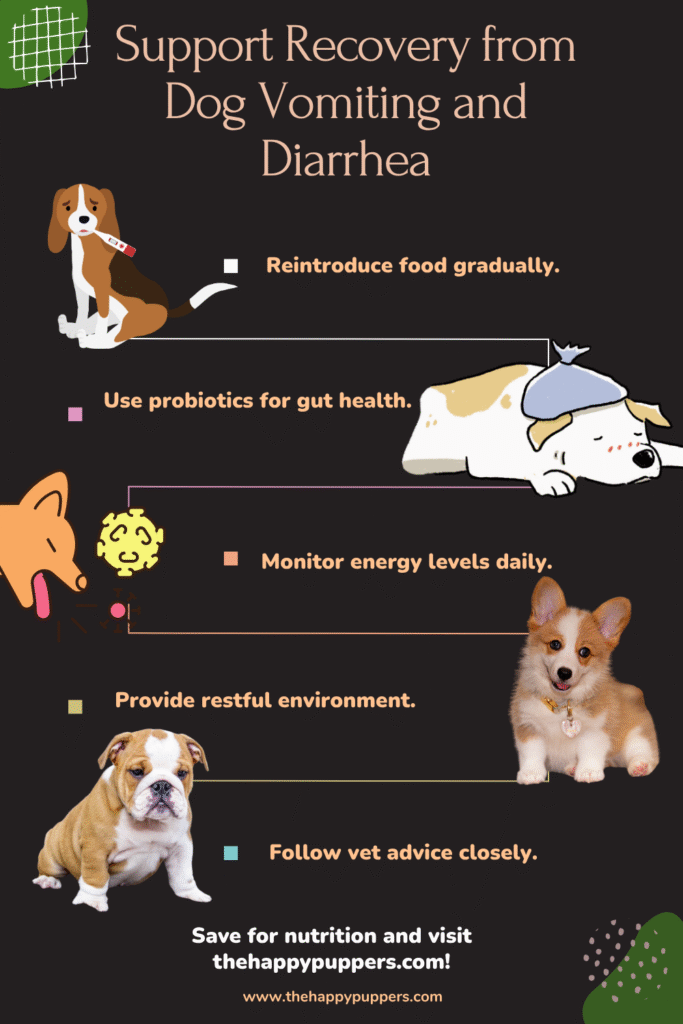
Pin this article for later:
Exploring The Happy Puppers Categories
I’m not just here to explain can dogs eat strawberries or is that not a good option — I’m here to empower you to be the best dog parent possible with holistic pet care insights.
Dog Behavior Hub
Understand your pup’s actions with expert behavior guides
✔️ Stop puppy nipping behavior: Survival guide
✔️ Dog toys importance in developmental stages
✔️ Training Rescue Terriers: A Complete Guide
Dog Health Hub
Learn how health impacts behavior
✔️ Dog teeth discoloration : causes and remedies
✔️ Pup has worms? Puppy deworming guide
✔️ Gum diseases in dogs: the complete guide
Dog Breeds Hub
Train your pup to curb unwanted habits
✔️ French Bulldog puppies – a complete guide
✔️ Golden Retriever Puppies: Complete Training Guide
✔️ Pocket Pitbull: understanding the breed
The Nutrition Hub
Fuel your pup with balanced diets for better behavior
✔️ Bone broth for dogs: dog snack
✔️ Apple Cider Vinegar For Dogs
✔️ Benefits of coconut oil for dogs
Dog Grooming Hub
Transform your pup’s look with gentle, grooming using simple techniques to keep them happy and healthy!
✔️ Petco Grooming: Your Ultimate Guide in 2025
✔️ Flea Collars: Do they really work?
✔️ Dog grooming near me 2025
DIY for dogs
Unleash your creativity with fun and easy DIY projects to delight your furry friend!
✔️ DIY indoor activity course for dogs
✔️ Amazing HOMEMADE dog toys
These complement your dog care journey.
Final Thoughts
Dog guardians need to be careful and act quickly in case of dog vomiting and diarrhea. These symptoms can be caused by several things, from simple dietary mistakes to more major health problems. Dog guardians can make sure their dogs are healthy and happy by learning about the most common reasons and when to take their dogs to the vet.
By taking the above-mentioned steps and caring for your dog’s health, you can lower the chance of him or her throwing up or having diarrhea, which will help your dog live a long and healthy life. For personalized help and treatment suggestions, you should always talk to your vet.
If you want to learn more about dog health and care, read trusted sources and talk to your vet if you have any concerns about your dog’s health. For more information on dog care, subscribe to The Happy Puppers. If you like watching videos, subscribe to the YouTube channel of The Happy Puppers, Shruti and Delta. Don’t forget to ring the notification bell.
See you in my next blog post
Frequently Asked Questions
For a healthy adult dog, skip one meal (up to 12 hours) to let the stomach settle, but provide small sips of water or electrolyte solutions to prevent dehydration. Once vomiting stops for at least 12 hours, introduce bland foods like boiled chicken and rice in small, frequent meals. If it lasts over 24 hours or dehydration signs appear (e.g., dry gums), contact your vet immediately.
Common triggers include eating spoiled items (like trash or new foods), food allergies/intolerances, infections (bacterial, viral, or parasitic), IBD, pancreatitis, stress/anxiety, medications, or toxins.
Worry if it persists over 24 hours, accompanies vomiting/lethargy, includes blood/mucus, or shows dehydration (dry gums, fatigue, reduced urination). For puppies, seniors, or dogs with pre-existing conditions, seek vet help ASAP.
Always consult your vet first—OTC meds can worsen issues or be toxic to dogs. They’ll recommend appropriate options, like antiemetics for vomiting or antidiarrheals based on the cause.
Most often, dietary indiscretion (scavenging trash or abrupt food changes) causes acute cases. Infections (bacterial, viral like parvovirus, or parasitic) are next, especially in pups, with an 8.18% annual incidence in UK vet-cared dogs. Chronic issues may involve intolerances or IBD; rule out toxins/stress.
For mild cases in adult dogs, skip a meal (up to 12 hours, with water), then offer a bland diet of boiled chicken and rice (about 1:2) or 1-2 tbsp plain pumpkin for fiber. Use electrolyte solutions for hydration. Skip over-the-counter medicines like Pepto-Bismol unless your vet advises. See a vet if no improvement; 87-88% cases resolve naturally with proper home care for mild episodes.
Can I give my dog Imodium or Pepto-Bismol?
Don’t, unless your vet tells you to. Loperamide (Imodium) can be dangerous for herding breeds with the MDR1 gene (Collies, Aussies, Shelties) and can hide an infection. Pepto-Bismol contains a salicylate (aspirin-like) and turns stool black, which can hide bleeding.
Why is my dog vomiting yellow foam?
Yellow foam is bile. It often appears when the stomach is empty, for example in the early morning. Smaller, more frequent meals or a late snack often help. If it happens often, or your dog seems unwell, see your vet.
My puppy has diarrhoea. Could it be parvo?
Yes, it could, especially if your puppy isn’t fully vaccinated, is lethargic, won’t eat, is vomiting, or has bloody, foul-smelling diarrhoea. Call your vet straight away and keep your puppy away from other dogs.
About the Author
Dr. Shruti Bhattacharya is the founder and guiding force behind The Happy Puppers, combining a Ph.D. in Immunology with decades of direct canine care experience. Her passion for the well-being of dogs has taken many forms:
- Academic & Scientific Rigor – Dr. Shruti applies a science-based approach to pet care, enriched by her training in immunology.
- Hands-On Street Work – Over the past 10+ years, she has personally cared for 30+ street dogs, tending to their health, training, and rehabilitation, even as she relocated and continued caregiving with 15 dogs, and currently supports 5 local neighborhood dogs outside her apartment.
- Instinctual Bond with Dogs – From stray pups to fostered companions, even strangers recognize her as a safe and trusted friend to dogs—drawn to her calm presence and empathy.
- Personal Pack – She’s the proud canine mom of Delta, a Basenji mix; Zeus, an energetic Labrador mix; and Alpha, a curious Indian pariah pup—each inspiring her mission through their daily lives.
Through The Happy Puppers, Dr. Shruti shares science-backed advice, empathetic insight, and evidence-based tips designed to empower dog guardians worldwide. The purpose of this is to blend real-world experience with academic expertise, helping every dog feel safe, loved, and thriving.

Follow me on:
Disclaimer
This content is for informational purposes only and not a substitute for professional veterinary or grooming advice. Consult a veterinarian for specific dietary concerns.
References
- Pugh, C. A., Bronsvoort, B. M. de C., Handel, I. G., Querry, D., Rose, E., Summers, K. M., & Clements, D. N. (2017). Incidence rates and risk factor analyses for owner reported vomiting and diarrhoea in Labrador Retrievers – findings from the Dogslife Cohort. Preventive Veterinary Medicine, 140, 19–29.
- Sævik, B. K., Skancke, E. M., & Trangerud, C. (2012). A longitudinal study on diarrhoea and vomiting in young dogs of four large breeds. Acta Veterinaria Scandinavica, 54(1), 8.
- Pegram C, Diaz-Ordaz K, Brodbelt DC, Chang YM, Tayler S, Allerton F, Prisk L, Church DB, O’Neill DG. (2023). Target trial emulation: Do antimicrobials or gastrointestinal nutraceuticals prescribed at first presentation for acute diarrhoea cause a better clinical outcome in dogs under primary veterinary care in the UK? PLoS One, 18(10), e0291057.
- Fritsch, D. A., Wernimont, S. M., Jackson, M. I., MacLeay, J. M., & Gross, K. L. (2022). A prospective multicenter study of the efficacy of a fiber-supplemented dietary intervention in dogs with chronic large bowel diarrhea. BMC Veterinary Research, 18(1), 244.
- Radford, A. D., Singleton, D. A., Jewell, C., Appleton, C., Rowlingson, B., Hale, A. C., Cuartero, C. T., Newton, R., Sánchez-Vizcaíno, F., Greenberg, D., Brant, B., Bentley, E. G., Stewart, J. P., Smith, S., Haldenby, S., Noble, P.-J. M., & Pinchbeck, G. L. (2021). Outbreak of severe vomiting in dogs associated with a canine enteric coronavirus, United Kingdom. Emerging Infectious Diseases, 27(2), 517–528.
- O’Neill, D. G., Prisk, L. J., Brodbelt, D. C., Church, D. B., & Allerton, F. (2025). Epidemiology and clinical management of acute diarrhoea in dogs under primary veterinary care in the UK. PLoS ONE, 20(6), e0324203.
- Boneva-Marutsova, B., Marutsov, P., Geisler, M.-L., & Zhelev, G. (2025). Salmonellosis outbreak in a Rottweiler kennel associated with raw meat-based diets. Animals, 15(21), Article 3196.
- Rubin, S. I. (2018). Introduction to digestive disorders of dogs. Merck Veterinary Manual.
- American Society for the Prevention of Cruelty to Animals. (n.d.). Toxic and non-toxic plants.
- American Veterinary Medical Association. (2025, October 20). Why persistence pays off when it comes to dietary management of chronic enteropathy patients.
